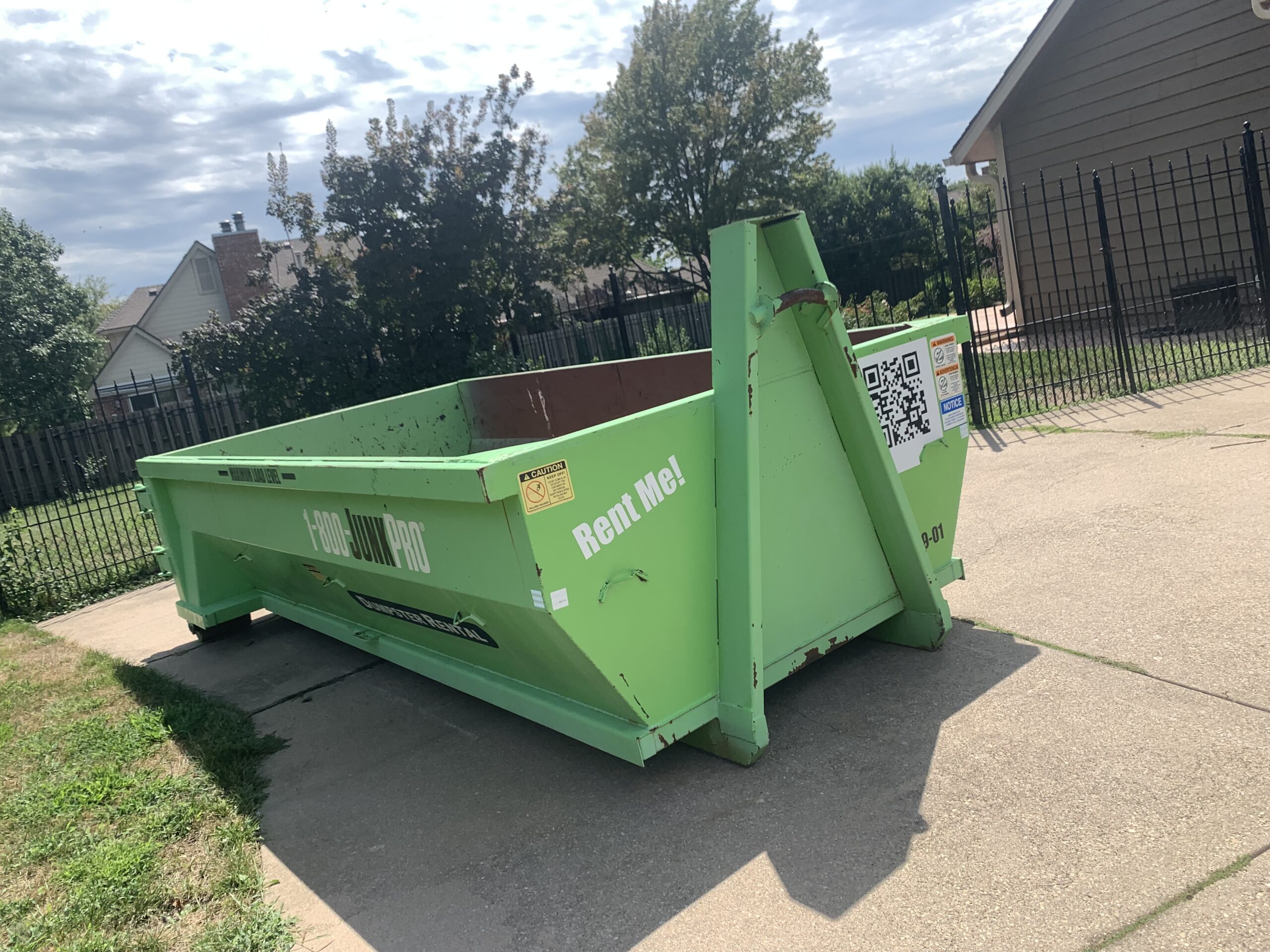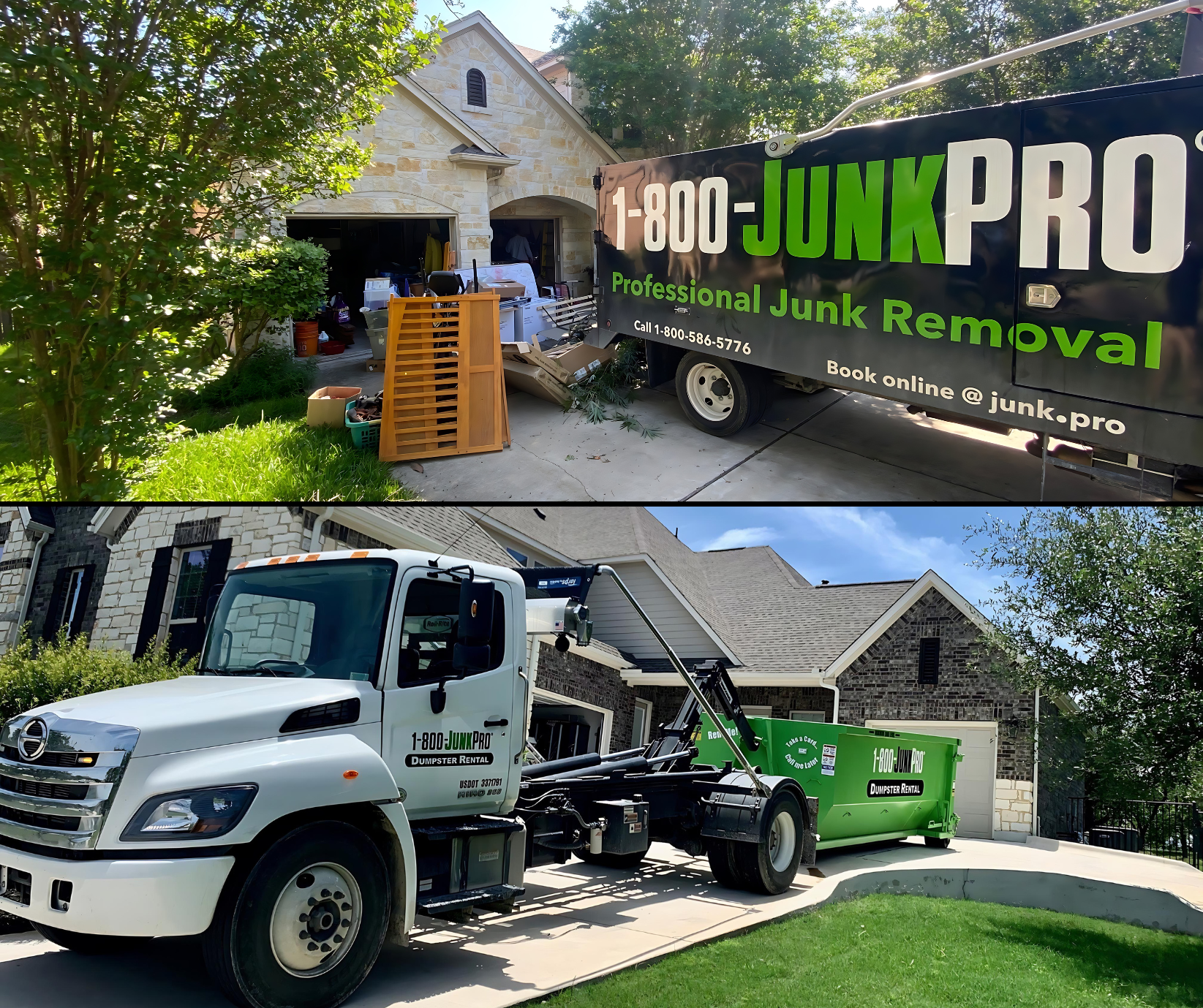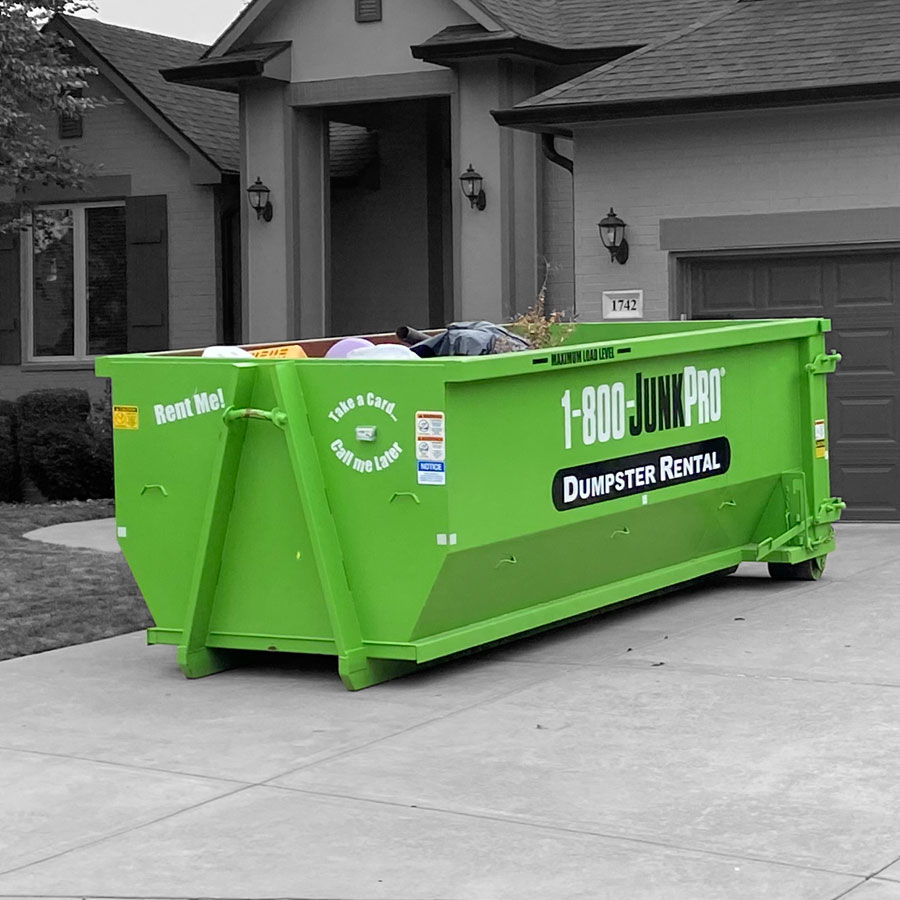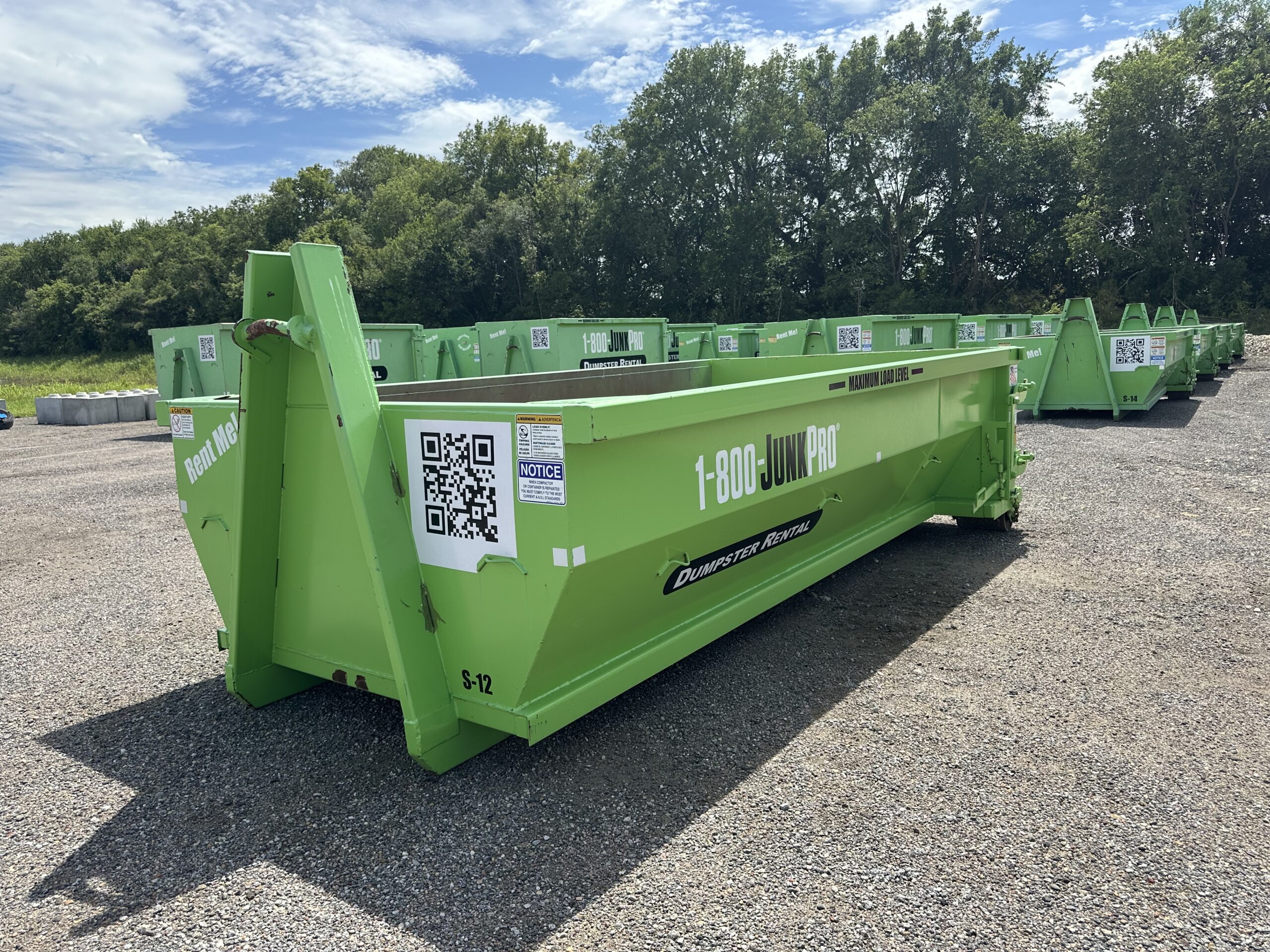
What Can and Cannot Go in a Dumpster Rental

9 icons depicting what cannot go in a rental dumpster

Most dumpster rentals accept general household junk, construction debris, and yard waste. However, hazardous materials, certain electronics, and items requiring special handling are typically not allowed.

In simple terms, everyday debris is usually acceptable, but anything dangerous or regulated must be handled separately.

Who This Applies To

This information is especially helpful for:

  • Homeowners planning cleanouts or renovation projects
  • Contractors managing jobsite debris
  • Property managers handling large-scale cleanups

Why This Matters

Knowing what can and cannot go in a dumpster helps prevent delays, additional charges, and unexpected issues during pickup.

In many cases:

  • Restricted items are loaded without realizing it
  • Dumpsters cannot be hauled due to disposal rules
  • Extra time is required to remove prohibited materials

Because of this, understanding these guidelines ahead of time keeps your project running smoothly.

Step-by-Step: How to Load a Dumpster the Right Way

  1. Identify Materials Before You Start: Take a quick look at everything you plan to throw away. This helps avoid loading items that are not allowed.
  2. Separate Restricted Items Early: Set aside anything that may require special disposal, such as chemicals, batteries, or electronics.
  3. Load Large Items First: Placing bulky items at the bottom helps maximize space and makes loading more efficient.
  4. Fill Gaps With Smaller Debris: Loose items like trash and packaging can be used to fill empty space.
  5. Keep Materials Below the Top Edge: Overfilling a dumpster can delay pickup and create safety concerns.

The Key Factors to Consider

The main factors include:

  • Material type – Some items require special handling
  • Weight – Heavy debris can impact hauling limits
  • Local regulations – Restrictions vary by area

In many cases, these factors determine whether a load can be hauled without issue.

What Can Go in a Dumpster Rental

Most non-hazardous materials are accepted, including:

  • Household junk such as furniture, clothing, and general clutter
  • Construction debris like wood, drywall, flooring, and insulation
  • Roofing materials such as shingles (weight limits may apply)
  • Yard waste including branches, leaves, and organic material
  • Non-hazardous appliances without refrigerants
  • Paper, cardboard, and packaging materials
  • Metal items such as furniture, fixtures, and scrap

These materials are commonly handled and processed without issue.

What Cannot Go in a Dumpster Rental

Certain items are restricted due to safety and environmental regulations:

  • Hazardous chemicals, paints, and pesticides
  • Batteries and certain electronic waste
  • Tires (often require separate handling)
  • Appliances containing refrigerants
  • Flammable materials such as gasoline or propane tanks
  • Medical or biological waste
  • Explosives or ammunition

These items require specialized disposal and should never be placed in a standard dumpster.

Common Mistakes to Avoid

  • Throwing in items without checking restrictions
  • Mixing hazardous materials with general debris
  • Overfilling the dumpster beyond capacity

A common situation is adding restricted items at the end of a project, which can delay pickup.

Real-World Scenario

For example:
A homeowner completes a renovation and loads a dumpster with debris. At the end, leftover paint and chemicals are added without realizing they are restricted.

At pickup, the dumpster cannot be hauled until those items are removed, delaying the project.

When It Makes Sense to Plan Ahead

It often makes sense when:

  • You are handling a large cleanup or renovation
  • Multiple types of materials are involved
  • You want to avoid delays or additional fees

👉 At this point, many customers take a few extra minutes to confirm acceptable items before loading.

What to Expect From a Professional Service

  1. Review your project and materials
  2. Provide guidance on what can be loaded
  3. Deliver and place the dumpster
  4. Ensure proper hauling and disposal
  5. Help prevent delays or compliance issues

This structured approach helps ensure everything is handled correctly.

Cost vs Value

Loading restricted items can lead to:

  • Additional fees
  • Delayed pickups
  • Extra labor to correct the issue

When these are considered, understanding guidelines upfront provides better overall value.

In Simple Terms

Most projects fall into two categories:

  • General debris → Safe for dumpsters
  • Hazardous or regulated materials → Require special disposal

Knowing the difference helps avoid problems.

Conclusion

Understanding what can and cannot go in a dumpster rental helps prevent delays, additional costs, and project disruptions. By planning ahead and following guidelines, you can keep your cleanup efficient and stress-free.

1-800-JUNKPRO® provides dumpster rental services designed to help customers manage debris properly, with guidance to ensure everything is handled safely and efficiently.

Frequently Asked Questions

1. Can I put appliances in a dumpster?

Some appliances are allowed, but those containing refrigerants require special handling.

2. What happens if I load a restricted item?

The item may need to be removed before pickup, which can delay the process.

3. Can I mix different types of debris?

Yes, most general debris can be mixed as long as restricted materials are not included.

Dumpster Rental Pricing Explained: What You’re Really Paying For

Dumpster rental pricing is based on several key factors, including the dumpster size, the type and weight of the materials, the rental period, and disposal costs. Understanding these elements helps you choose the right option and avoid unexpected charges.

How Dumpster Rental Pricing Works

Dumpster rental pricing is designed to reflect the full scope of the service, not just the container itself. When you rent a dumpster, you are paying for delivery, placement, pickup, transportation, and proper disposal of the materials inside.

Because each project is different, pricing can vary depending on how the dumpster is used and what it contains.

The Key Factors That Affect Dumpster Rental Cost

Dumpster Size
The size of the dumpster is one of the most important factors in pricing. Larger dumpsters can hold more material, which increases both capacity and disposal volume.
Choosing the right size helps avoid overpaying for unused space or needing a second dumpster later.

Type of Materials
Different materials require different handling and disposal methods.

For example:

  • Household debris may be easier to process
  • Construction materials can be heavier
  • Certain items may require special handling

Because of this, the type of debris you load into the dumpster can impact the total cost.

Weight of the Load
Most dumpster rentals include a set weight allowance. If the contents exceed that limit, additional charges may apply.
Heavy materials such as roofing shingles, concrete, or dirt can quickly exceed weight limits, even if the dumpster is not completely full.

Rental Period
The length of time you keep the dumpster also affects pricing.
Short-term projects may require only a few days, while larger jobs may need extended rental periods. Keeping a dumpster longer than the included timeframe can result in additional fees.

Delivery and Pickup Logistics
The cost of delivery and pickup is included in most rentals. However, factors such as distance, accessibility, and placement requirements can influence pricing.
For example, driveway protection may require additional cost.

Step-by-Step: What Happens During a Dumpster Rental

  1. Schedule delivery based on your project timeline
  2. The dumpster is delivered and placed in the agreed location
  3. You load the dumpster at your own pace
  4. Once full or complete, pickup is scheduled
  5. Materials are transported and properly disposed of

Each step involves coordination, transportation, and disposal, all of which are factored into the price.

How to Avoid Unexpected Costs

Planning ahead can help you stay within budget:

  • Choose the correct dumpster size
  • Understand what materials you are disposing of
  • Avoid overfilling or exceeding weight limits
  • Stay within the rental timeframe

Knowing these details upfront can help you avoid additional charges and keep your project running smoothly.

When a Dumpster Rental Makes the Most Sense

A dumpster rental is often the best choice when:

  • You are working on a project over several days
  • You want the flexibility to load debris at your own pace
  • You are handling construction, renovation, or large cleanup work
  • You prefer to manage the loading process yourself

In these situations, having a dumpster on-site provides convenience and efficiency.

Conclusion

Dumpster rental pricing reflects more than just the container. It includes delivery, placement, pickup, transportation, and proper disposal of materials.

Understanding these factors helps you plan your project more effectively and choose the right dumpster for your needs.

1-800-JUNKPRO® provides dumpster rental services designed to support a wide range of projects, with a focus on reliable service and responsible disposal.

Frequently Asked Questions

1. What size dumpster should I choose?

The right size depends on the type and amount of debris. Smaller projects may only require a 10- or 15-yard dumpster, while larger projects may need 20 yards or more.

2. What happens if the dumpster is too heavy?

If the weight exceeds the included limit, additional charges may apply based on the excess weight and disposal requirements.

3. Can I keep the dumpster longer if needed?

Yes, rental periods can often be extended. Additional time may incur extra fees, depending on the length of the extension.

WE DELIVER IT. YOU FILL IT. WE PICK IT UP.®


When a Dumpster Rental Makes More Sense Than Multiple Trips

Some projects create more debris than expected. As a result, hauling everything yourself can quickly turn into multiple trips, wasted time, and added frustration. A dumpster rental provides a more efficient solution when debris starts to pile up.

Why Multiple Trips Become a Problem

At first, hauling debris yourself may seem manageable. However, repeated trips to disposal sites can take hours or even days. Fuel costs, time off work, and physical effort all add up quickly.

Meanwhile, loading and unloading materials multiple times increases the risk of injury and fatigue.

Projects That Benefit from a Dumpster Rental

Dumpster rentals are ideal for projects that generate continuous debris. For example:

  • Home renovations
  • Roofing tear-offs
  • Garage cleanouts
  • Yard projects
  • Moving or downsizing

In these situations, having a dumpster on-site keeps everything organized and accessible.

How the Rental Process Works

The process is straightforward. First, a dumpster is delivered and placed in a convenient location. Then, you fill it at your own pace. Once the project is complete, the dumpster is picked up, and the contents are hauled away for proper disposal or recycling.

This workflow eliminates the need to manage disposal yourself.

What Can Go Into a Dumpster

Most common materials are accepted, including:

  • Household junk
  • Construction debris
  • Wood, drywall, and flooring
  • Yard waste

However, certain restricted items may be prohibited under local regulations.

Keeping Projects on Track

Having a dumpster on-site helps maintain momentum. Instead of stopping to haul debris, you can continue working efficiently. As a result, projects are often completed faster.

Responsible Waste Handling

Proper disposal is essential. Materials are sorted when possible to reduce landfill impact.

Final Thoughts

If your project involves ongoing debris, a dumpster rental offers a simple, effective solution that saves time and effort.

FAQs

1. How long can I keep a dumpster?
Rental periods vary, but options typically include short-term and extended rentals.

2. Where can the dumpster be placed?
Dumpsters can usually be placed in driveways or designated job site areas.

3. Do I need to be present for delivery?
Not always. As long as clear placement instructions are provided and the required e-signature is completed in advance, delivery can be made without someone onsite. We send all necessary documents via email for a quick and easy e-signature process.

WE DELIVER IT. YOU FILL IT. WE PICK IT UP.®

Dumpster Placement Strategy: How Location Impacts Jobsite Efficiency

Dumpster rental involves more than just selecting the right size. Placement is crucial for how smoothly a jobsite runs.

When dumpsters are placed without a plan, crews waste time walking materials across the site, avoiding obstacles, or working around debris. Poor placement can slow progress and pose safety hazards.

Smart placement enhances workflow, cuts down labor time, and keeps projects on track.

The #1 Pain Point: Wasted Time on the Jobsite

Contractors often experience avoidable delays because of poor debris management. When dumpsters are placed too far from the work zone, crews waste more time moving materials than actually working.

Common issues include:

  • Long carry distances for heavy materials
  • Blocked access points
  • Interference with equipment or deliveries
  • Congested work areas

These minor inefficiencies accumulate rapidly throughout a project.

Best Practice: Place Dumpsters Based on Workflow

Industry best practice is to position dumpsters based on how the job progresses, not just where space is available.

Effective placement includes:

  • Positioning near primary work zones
  • Allowing clear access for loading
  • Keeping entry points and pathways open
  • Adjusting placement as project phases change

This reduces unnecessary movement and improves productivity.

Supporting Safety and Organization

Proper placement also enhances safety on the jobsite. Containing debris and keeping it out of walkways reduces trip hazards and helps maintain clear work areas.

A well-placed dumpster:

  • Keeps materials controlled
  • Prevents debris from spreading
  • Supports safer working conditions
  • Helps maintain inspection readiness

An organization’s structure directly impacts both safety and efficiency.

Planning Placement Before Delivery

The most efficient job sites plan placement before the dumpster arrives. Considering access, surface conditions, and workflow ensures the container is positioned correctly from the start.

This prevents:

  • Repositioning delays
  • Interference with crews or equipment
  • Disruption to project timelines

A small amount of planning can significantly improve job-site performance.

FAQs About Dumpster Placement

Where should a dumpster be placed on a jobsite?
It should be placed close to the primary work area while maintaining clear access for loading and safe movement around the site.

Can dumpsters be repositioned after delivery?
Repositioning may be possible, but planning placement in advance avoids delays and additional service needs.

Does placement impact productivity?
Yes. Proper placement reduces travel time, improves workflow, and helps crews stay focused on the job.

Final Thoughts

Dumpster placement is a critical part of jobsite planning. When containers are positioned strategically, crews work more efficiently, projects stay organized, and timelines remain on track.

A well-placed dumpster supports the job instead of slowing it down.

WE DELIVER IT. YOU FILL IT. WE PICK IT UP.®

Fire and Disaster Restoration: Why Dumpster Rental Is Critical to Proper Debris Management

An Large Rented Dumpster in front of a Home-Fire cleanout

Fire, water, storm, and structural damage restoration projects require immediate action. Once mitigation begins, debris removal is among the first operational priorities.

In restoration environments, debris is not simply construction waste. It may include fire-damaged materials, water-saturated drywall, flooring, insulation, and structural components. Proper containment and disposal are critical for safety, compliance, and project progression.

Dumpster rental plays a foundational role in keeping restoration projects organized, compliant, and on schedule.

The Restoration Contractor’s Top Concern: Speed Without Compromising Compliance

Restoration timelines are often urgent. Insurance deadlines, safety concerns, and property stabilization require rapid mobilization.

However, urgency does not eliminate regulatory requirements. Disposal must still comply with landfill standards, weight limits, and local waste-handling regulations.

Industry best practice supports:

  • Immediate container placement once mitigation begins

  • Strategic positioning to allow safe debris loading

  • Coordination of timely pickups to prevent overflow

  • Clear separation of regulated materials

A properly managed dumpster rental plan allows restoration teams to move quickly while maintaining compliance.

Handling Fire-Damaged and Water-Damaged Materials

Fire restoration often results in charred framing, damaged drywall, insulation, and flooring, as well as smoke-impacted debris. Water damage projects may generate saturated materials that significantly increase load weight.

Industry standards emphasize:

  • Monitoring weight when disposing of water-logged materials

  • Avoiding overfilled containers to maintain safe transport

  • Segregating materials when required

  • Preventing debris from obstructing egress or emergency access

Heavy, moisture-laden debris can reach weight limits faster than anticipated. Proper container sizing and scheduling prevent costly overweight charges and delays.

Safety and Site Organization During Disaster Cleanup

Restoration sites must remain safe for crews, inspectors, and property owners. Debris accumulation increases trip hazards and restricts workflow.

Best practices include:

  • Keeping dumpsters positioned to allow clear access paths

  • Removing debris continuously rather than stockpiling

  • Scheduling swaps during major demolition phases

  • Maintaining controlled loading procedures

An organized waste removal system reduces secondary hazards and keeps restoration work progressing efficiently.

Environmental and Disposal Considerations

Not all disaster debris is handled the same way. Certain materials may require specialized disposal depending on contamination, moisture, or regulatory classification.

Professional dumpster rental planning ensures:

  • Proper routing of debris to approved facilities

  • Compliance with disposal guidelines

  • Accurate weight tracking

  • Clear coordination between restoration teams and waste haulers

Documentation and clear communication are especially important when insurance carriers or adjusters are involved.

Coordinating Dumpster Rental With Restoration Phases

Disaster restoration typically moves through defined phases: mitigation, demolition, drying, and rebuilding. Waste generation varies significantly across stages.

Industry best practice recommends:

  • Scheduling delivery before demolition begins

  • Anticipating increased volume during tear-out

  • Coordinating pickup once structural drying is complete

  • Adjusting container size as rebuilding progresses

Aligning dumpster rental with restoration phases prevents downtime and keeps crews focused on recovery efforts.

FAQs About Dumpster Rental for Fire and Disaster Restoration

What type of dumpster is typically used for restoration projects?
Container size depends on the scope of demolition and the volume of debris. Water-damaged materials may require careful weight consideration.

Can water-damaged materials increase disposal costs?
Yes. Saturated materials are heavier and can quickly reach weight limits, making proper sizing and scheduling important.

How does dumpster rental support insurance-related projects?
Coordinated scheduling, documented disposal, and proper debris management help maintain organized workflows that align with restoration timelines and reporting needs.

Final Thoughts

Fire and disaster restoration demands urgency, precision, and organization. Dumpster rental is not just a support service; it is a critical component of safe and compliant debris management.

When structured according to industry best practices, dumpster rental allows restoration teams to stabilize properties, manage waste efficiently, and keep projects moving forward without unnecessary disruption.

WE DELIVER IT. YOU FILL IT. WE PICK IT UP.®

New Construction Builds and Dumpster Rental: Solving the Top 5 Contractor Pain Points

New construction projects operate on tight schedules, coordinated trades, and strict budgets. When debris management is inconsistent, the entire workflow suffers.

Dumpster rental is not just a convenience for new builds. It is a foundational part of jobsite planning. When handled properly, it keeps crews productive, protects timelines, and supports compliance.

Below are the top five pain points contractors face in new construction projects and how industry best practices in dumpster rental address them.

1. Late Delivery or Missed Pickup

Timing is everything in new construction. If a dumpster does not arrive when scheduled, demolition and framing may stall. If pickup is delayed, debris piles up and interferes with progress.

Best practice:
Schedule delivery and removal around construction phases, not just calendar dates. Align container swaps with framing completion, roofing phases, or interior rough-ins to avoid bottlenecks.

Reliable scheduling keeps trades moving without interruption.

2. Overweight Charges from Heavy Materials

Concrete, brick, roofing shingles, and other dense materials can quickly exceed weight limits. A container may look half full but still be overweight.

Best practice:
Separate heavy inert materials into dedicated dumpsters. Proper material segregation protects against overweight penalties and keeps disposal predictable.

Planning by material type, not just volume, prevents costly surprises.

3. Cluttered and Unsafe Jobsites

Mixed debris scattered around a build site creates trip hazards and slows productivity. Crews lose time navigating around waste.

Best practice:
Strategic dumpster placement improves workflow. Containers should be positioned to allow easy loading while keeping primary work zones clear. Clean jobsites improve safety and inspection readiness.

An organized waste plan supports an organized build.

4. Phase Changes That Require Container Swaps

New construction builds evolve in stages. What works during framing may not work during finish work.

Best practice:
Plan for phased container adjustments. Contractors often require larger containers early in construction and smaller or more specialized containers later. Coordinating swaps in advance prevents overflow and downtime.

Anticipating changes keeps debris management aligned with project progression.

5. Sustainability and Environmental Compliance

Commercial builders and developers increasingly prioritize environmental responsibility. Mixed waste can reduce recycling opportunities and impact diversion goals.

Best practice:
Use segregated dumpsters for recyclable materials, such as metal, clean wood, and cardboard, when feasible. Separating materials improves diversion rates and supports environmental benchmarks without slowing the job.

Sustainability and efficiency can work together when waste streams are planned properly.

Planning Dumpster Rental Into the Build Schedule

The most successful new construction projects treat dumpster rental as part of the pre-construction plan. That includes:

  • Identifying expected material types

  • Estimating debris volume per phase

  • Scheduling delivery before crews arrive

  • Coordinating pickups with inspections or milestone completions

When dumpster rental is proactive instead of reactive, projects stay cleaner, safer, and more predictable.

FAQs About Dumpster Rental for New Construction

How many dumpsters does a new construction project typically need?
The number depends on project size and material types. Many builds require different containers during various phases to manage debris efficiently.

Should heavy materials be separated from general construction debris?
Yes. Concrete, brick, and roofing materials often require separate containers due to weight limits and disposal requirements.

How can dumpster rental improve jobsite efficiency?
Strategic placement, scheduled pickups, and proper sizing reduce downtime, prevent clutter, and enable crews to focus on construction rather than waste management.

Final Thoughts

New construction builds demand for precision, coordination, and reliable logistics. Dumpster rental plays a critical role in maintaining clean jobsites, preventing delays, and controlling costs.

When waste management is planned in accordance with industry best practices, contractors gain efficiency, predictability, and a smoother build process from start to finish.

WE DELIVER IT. YOU FILL IT. WE PICK IT UP.®

Segregated Waste for Contractors: How Organized Dumpster Rental Improves Efficiency and Environmental Performance

For contractors and commercial project managers, debris isn’t just trash. It’s part of the workflow.

When materials are mixed without a plan, jobsites become cluttered, loads are rejected, weight limits are exceeded, and environmental goals are missed. The result is lost time, added costs, and unnecessary friction.

That’s why segregated waste management, supported by strategic dumpster rental, has become an industry best practice for commercial projects.

The Contractor Pain Point: Mixed Debris Slows Everything Down

Commercial jobs generate multiple waste streams simultaneously. Wood, metal, drywall, packaging, concrete, and general debris often accumulate together.

When those materials are thrown into one container:

  • Heavy debris can exceed weight limits

  • Recyclable materials are lost to landfills

  • Loads may incur contamination fees

  • Crews waste time sorting after the fact

Mixed waste doesn’t just create environmental concerns. It disrupts workflow and adds unnecessary costs to the project.

Why Segregated Waste Is an Industry Best Practice

In commercial construction and renovation, separating materials by type improves both operational efficiency and environmental performance.

Industry standards support:

  • Dedicated containers for heavy inert materials (concrete, brick, asphalt)

  • Separate dumpsters for general construction debris

  • Recycling streams for metal, clean wood, and cardboard when feasible

This approach protects contractors from overweight charges and ensures recyclable materials are properly diverted rather than buried.

Segregation is not about adding complexity. It’s about preventing expensive mistakes.

How Strategic Dumpster Rental Supports Organized Jobsites

Dumpster rental becomes more than debris removal when it’s structured around material types and project phases.

By planning containers intentionally, contractors can:

  • Maintain cleaner, safer jobsites

  • Load materials efficiently without re-sorting

  • Reduce contamination risk

  • Support sustainability initiatives

  • Improve inspection readiness

An organized waste plan reduces friction between trades and keeps work areas accessible throughout the project.

Supporting Environmental Goals Without Slowing the Job

Commercial clients increasingly expect responsible waste handling. Whether driven by corporate sustainability standards, LEED goals, or internal environmental benchmarks, diversion matters.

Segregated dumpster rental allows:

  • Recyclable materials to be processed appropriately

  • Heavy materials to be directed to the proper facilities

  • Waste streams to remain traceable and controlled

This helps contractors demonstrate environmental awareness without sacrificing productivity.

Environmental responsibility and operational efficiency should work together — not compete.

Planning Segregated Waste Into the Project Timeline

The most successful commercial projects plan waste management from day one.

That includes:

  • Identifying material types during pre-construction

  • Determining when container swaps may be needed

  • Aligning pickup schedules with demolition or phase completion

When waste removal is coordinated with project milestones, crews stay focused on building instead of managing debris.

FAQs About Segregated Dumpster Rental for Contractors

Why should contractors separate materials rather than use a single dumpster?
Separating materials reduces contamination risk, prevents overweight charges, and allows recyclable materials to be diverted properly.

Do heavy materials require a dedicated container?
In most cases, yes. Concrete, brick, and asphalt are significantly heavier than typical debris and can exceed weight limits when combined.

How does segregated waste improve project organization?
Designated containers keep materials controlled and contained, reducing clutter and improving workflow efficiency across trades.

Final Thoughts

For contractors and commercial clients, segregated waste isn’t just about disposal. It’s about running a cleaner, more efficient, and more environmentally responsible jobsite.

When dumpster rental is structured around material types and project phases, debris management becomes predictable, organized, and aligned with modern commercial standards.

WE DELIVER IT. YOU FILL IT. WE PICK IT UP.®

The #1 Contractor Pain Point: Dumpsters That Don’t Show Up on Time

For contractors, timing is everything. Crews, materials, inspections, and subcontractors are all scheduled in advance. When a dumpster isn’t delivered or picked up as promised, the entire job can grind to a halt.

Late deliveries delay the start of work. Missed pickups create overflow, safety issues, and compliance concerns. Even a single disruption can throw off timelines, increase labor costs, and frustrate clients. This is why reliability—not price or size—is the biggest concern contractors have when renting dumpsters.

Dumpster rental becomes the solution only when it’s dependable.

Why Delays Create Bigger Problems on the Jobsite

When dumpsters don’t arrive or leave on schedule, the impact goes far beyond inconvenience. Work slows or stops entirely while crews wait for space to clear debris.

Common consequences include:

  • Crews standing idle with no place to dispose of materials

  • Debris piling up and creating safety hazards

  • Failed inspections due to cluttered jobsites

  • Lost productivity and extended project timelines

Contractors can’t afford to adjust their workflows to accommodate unreliable service. They need waste removal to keep pace with the job.

How Dumpster Rental Solves the Timing Problem

A reliable dumpster rental service removes uncertainty from debris management. When delivery and pickup are scheduled, contractors can plan work phases with confidence.

With dependable dumpster rental, contractors gain:

  • On-time delivery when the project starts

  • Predictable pickup aligned with job milestones

  • Consistent debris containment throughout the project

  • Fewer interruptions to crews and subcontractors

When dumpsters arrive and depart as expected, cleanup supports the job rather than disrupting it.

Why Contractors Prioritize Reliability Over Everything Else

Contractors don’t just rent dumpsters for convenience. They rely on them as part of their operational workflow. Missed service affects deadlines, budgets, and professional reputation.

A dependable dumpster rental partner allows contractors to:

  • Schedule crews without buffer days

  • Maintain clean, inspection-ready sites

  • Avoid emergency cleanup solutions

  • Deliver projects on time and on budget

Reliability turns dumpster rental from a risk into a tool that supports consistent progress.

Planning Dumpster Rental Around the Project Timeline

Successful contractors plan dumpster rental the same way they plan materials and labor. Scheduling delivery and pickup by project phase ensures debris never becomes a bottleneck.

Clear communication about timelines, debris volume, and access helps keep dumpster rental aligned with the job’s pace. When waste management is predictable, the entire project runs more smoothly.

FAQs About Dumpster Rental for Contractors

How far in advance should dumpsters be scheduled for my project?
Scheduling at least a few weeks in advance helps ensure availability and allows delivery to align with the project start date. Advance scheduling reduces the risk of delays and keeps crews working on time.

Can dumpster pickup be coordinated with project phases or milestones?
Yes. Pickup can be scheduled around key phases of the project, such as demolition completion or material changeovers, helping keep the jobsite clear and work moving forward.

What happens if my project timeline changes?
Reliable dumpster rental providers can adjust delivery or pickup schedules when timelines shift. Clear communication helps ensure dumpsters are serviced when needed without disrupting the job.

Final Thoughts

For contractors, the biggest frustration isn’t debris itself. It’s dumpsters that don’t arrive or leave when they’re supposed to. Reliable dumpster rental solves that problem by keeping delivery and pickup aligned with the job schedule.

When timing is handled correctly, contractors stay productive, jobsites stay clear, and projects move forward without unnecessary delays.

WE DELIVER IT. YOU FILL IT. WE PICK IT UP.®

How to Choose the Right Dumpster Rental for Your Project

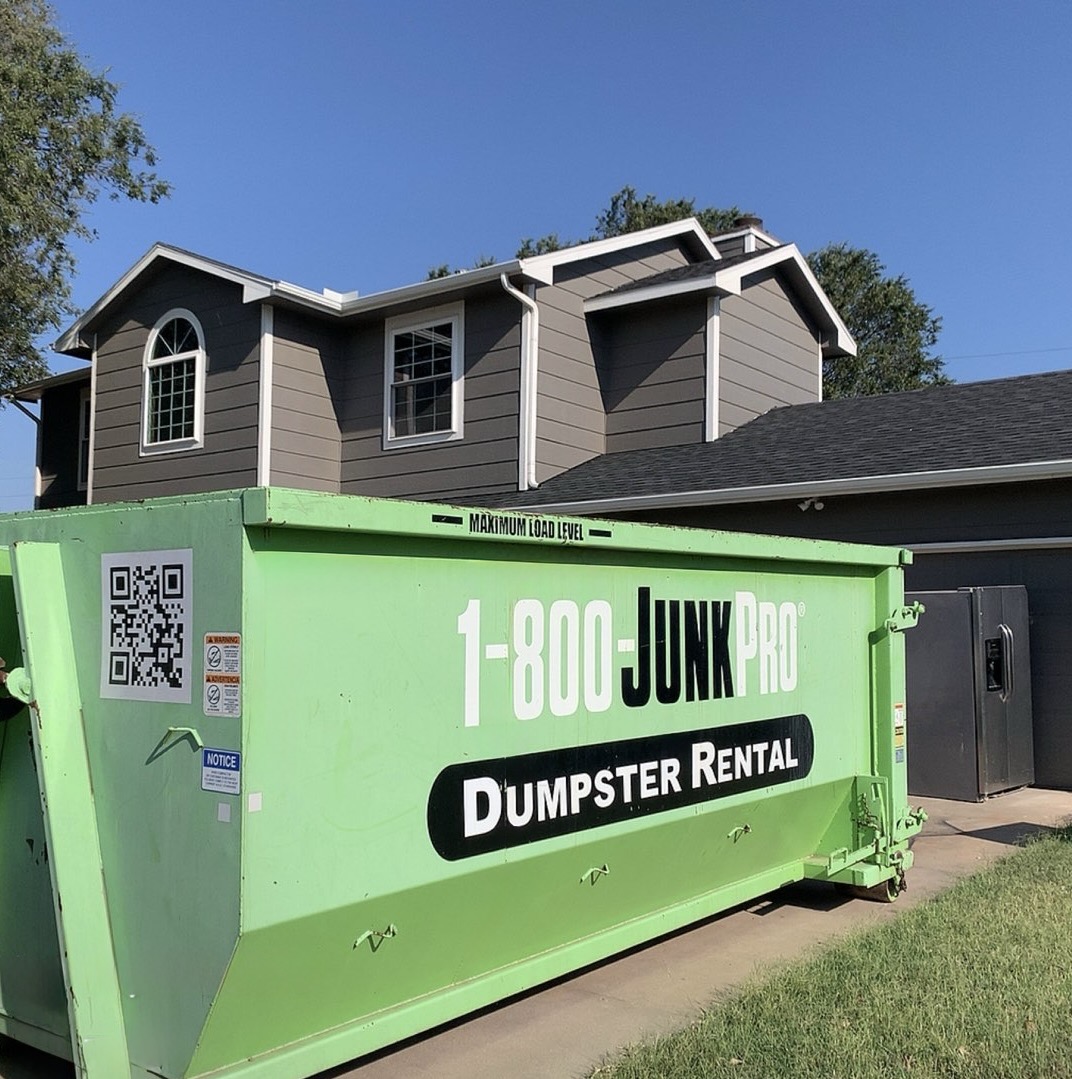
1-800-JunkPro Residential Dumpster Rental

Choosing the right dumpster rental can make or break a project timeline. When a container is too small, overflow becomes a problem. When it’s too large, you may pay for unused space.

Dumpster rental works best when it’s planned around the type of project, not just the amount of debris. Cleanouts, renovations, and commercial projects all generate waste differently. Understanding those differences helps avoid delays, added costs, and unnecessary complications.

Why Dumpster Rental Is a Practical Cleanup Solution

Dumpster rental provides a centralized, controlled way to manage debris. Instead of multiple trips to a disposal site, materials stay contained and accessible where the work is happening.

This approach keeps projects organized and safer. It also helps maintain efficiency by reducing downtime caused by scattered debris or full containers. For both residential and commercial projects, having a dedicated dumpster on-site simplifies cleanup from start to finish.

Projects That Commonly Use Dumpster Rental

Different projects create different waste patterns. Identifying the scope of the work helps determine the right dumpster setup.

Residential projects often include:

  • Garage and basement cleanouts

  • Home remodeling and renovations

  • Roofing or exterior updates

  • Moving, downsizing, or estate-related cleanouts

Commercial and property-related projects may involve:

  • Office cleanouts and renovations

  • Retail or restaurant updates

  • Apartment turnovers and property maintenance

  • Storage cleanouts and inventory disposal

Each of these projects benefits from having debris contained in one designated location.

Understanding Dumpster Sizes and Capacity

Dumpster size selection plays a major role in keeping a project on track. Capacity depends on more than volume. Weight, material type, and how debris is loaded all factor into the decision.

Smaller dumpsters are well suited for limited cleanouts or single-area projects. Medium-sized dumpsters work well for renovation debris and moderate cleanup needs. Larger dumpsters are typically used for major projects that generate bulky or heavy materials over an extended period.

Choosing the correct size upfront helps prevent overloading and avoids the need for unexpected container swaps.

Placement and Access Planning

Proper placement allows a dumpster to be used safely and efficiently. Driveways, parking areas, and designated work zones are common placement locations. Clear access makes loading easier and helps keep surrounding areas free of obstruction.

Planning placement ahead of time also reduces the risk of delays during delivery or pickup. A clear, level surface and sufficient clearance ensure the container can be used as intended throughout the rental period.

Preparing for a Smooth Dumpster Rental Experience

A successful rental starts with clear planning. Estimating debris type, project duration, and available space allows the rental provider to recommend an appropriate container and schedule.

Loading strategy also matters. Evenly distributing materials and avoiding restricted items helps prevent issues at pickup. With proper preparation, dumpster rental becomes a seamless part of the project rather than an afterthought.

FAQs About Dumpster Rental

What materials are typically allowed in a rental dumpster?
Most household debris, renovation materials, and general waste are accepted. Certain items may be restricted, so disposal guidelines should be reviewed before loading.

How long does a typical dumpster rental last?
Rental periods vary based on project needs. Some projects require only a few days, while others may need a longer rental depending on scope and scheduling.

Is someone required to be onsite for delivery or pickup?
In many cases, no. As long as placement instructions are clear and access is available, delivery and pickup can often be completed without supervision.

Final Thoughts

Dumpster rental doesn’t have to be complicated. With the right container, proper placement, and clear planning, cleanup stays efficient and predictable from start to finish. A straightforward rental process helps keep projects moving without unnecessary delays or disruptions.

WE DELIVER IT. YOU FILL IT. WE PICK IT UP.®

1-800-JunkPro Logo

1-800-586-5776

Give us a call at the number above for more details!