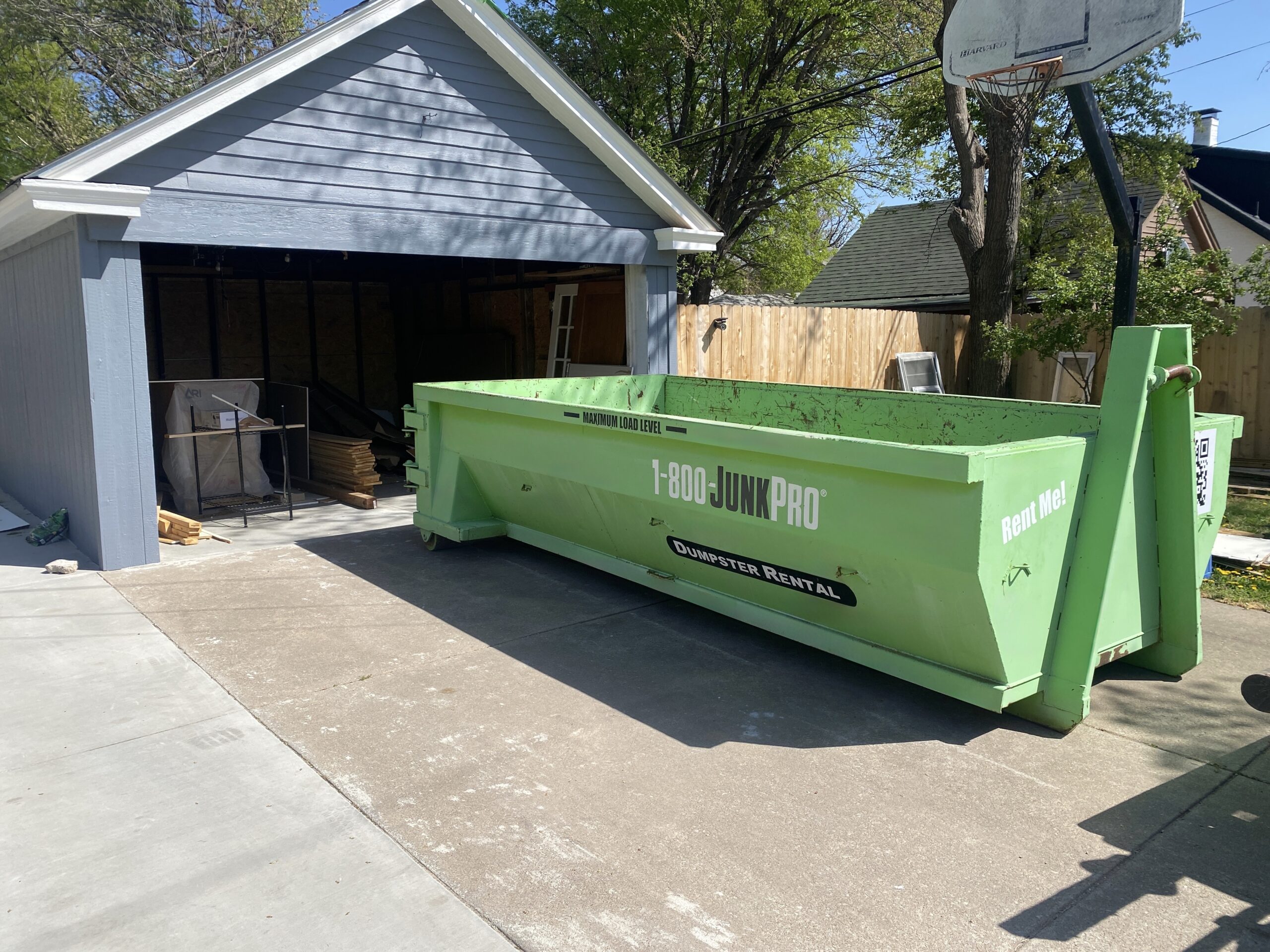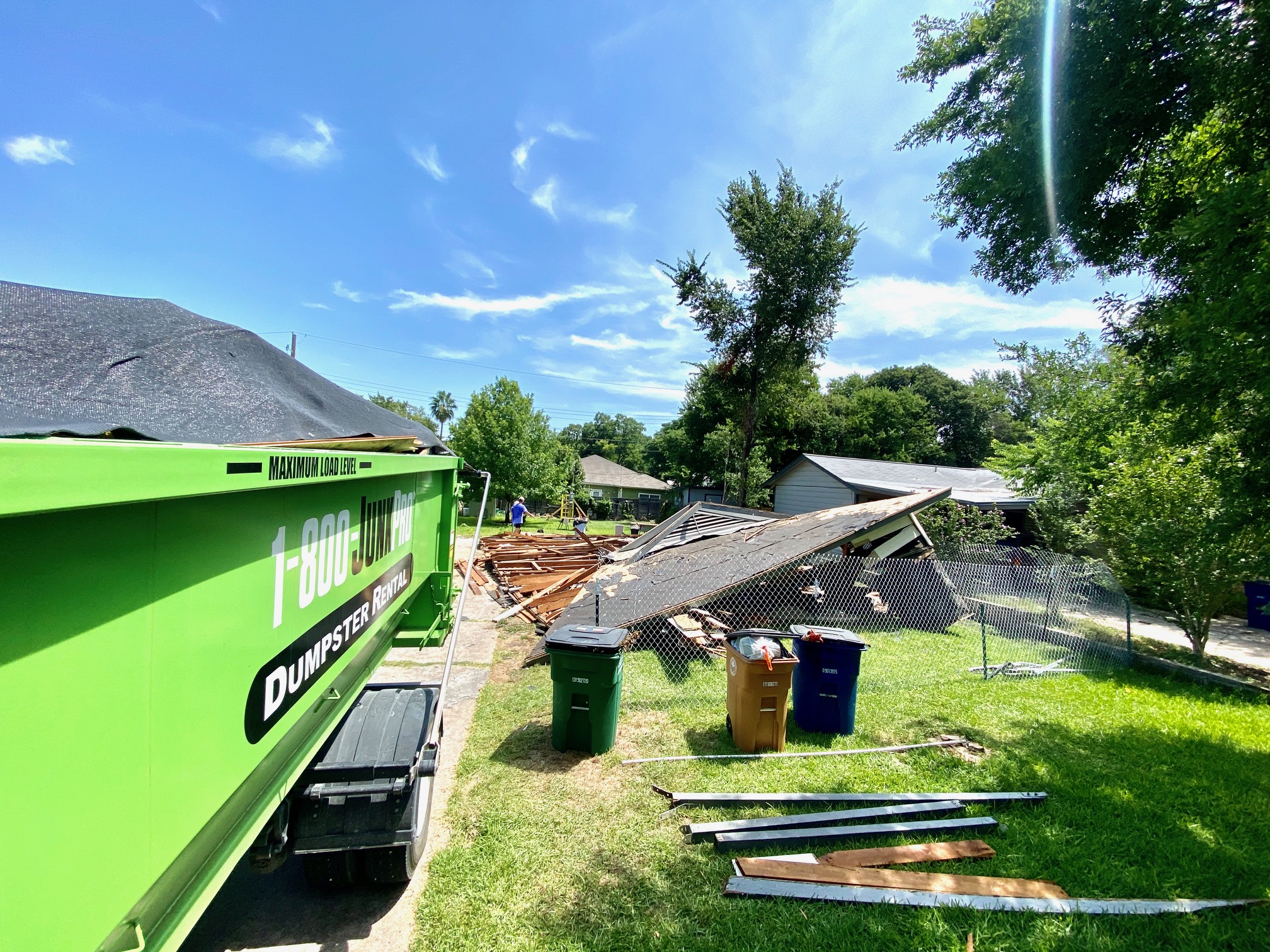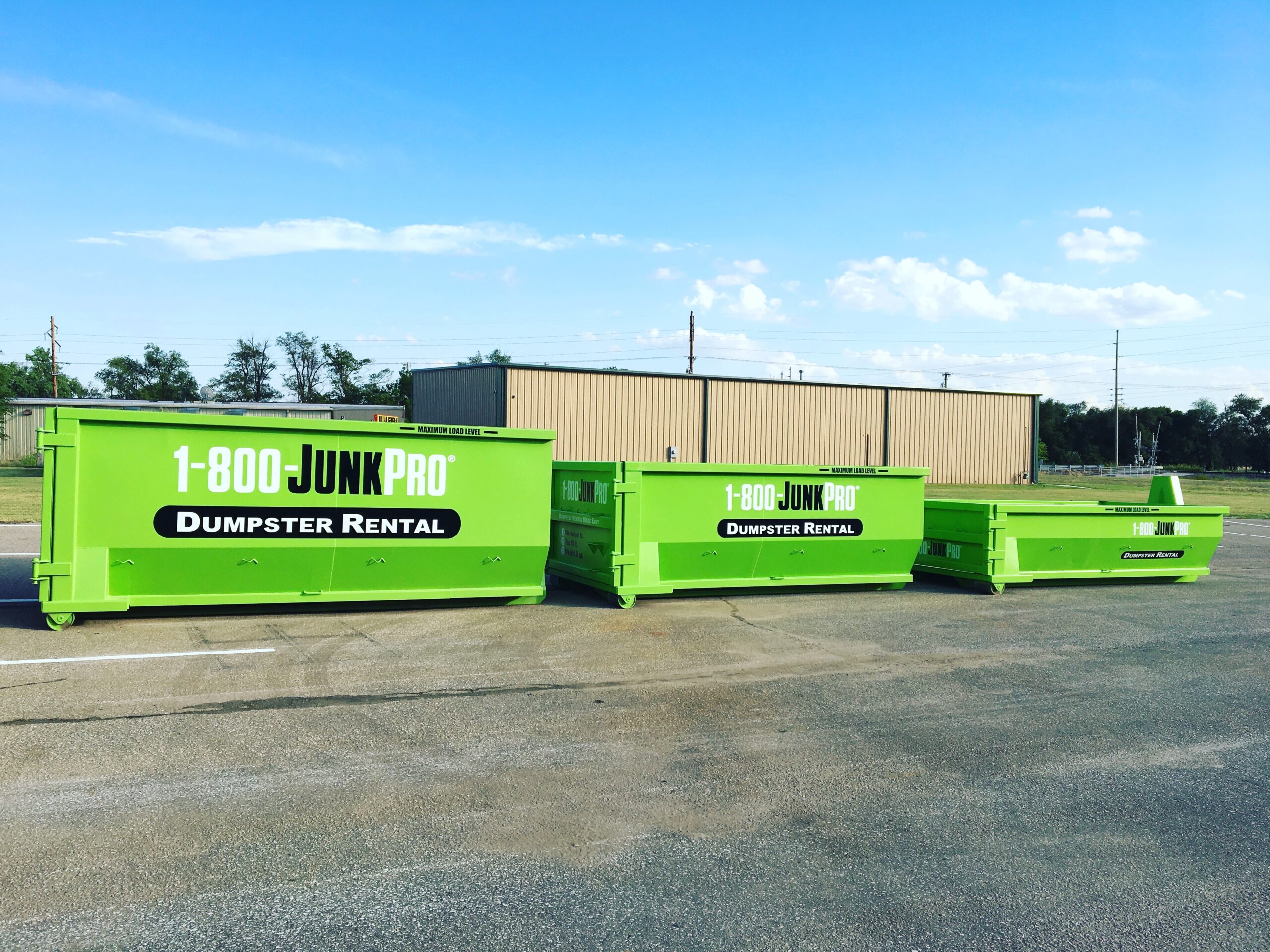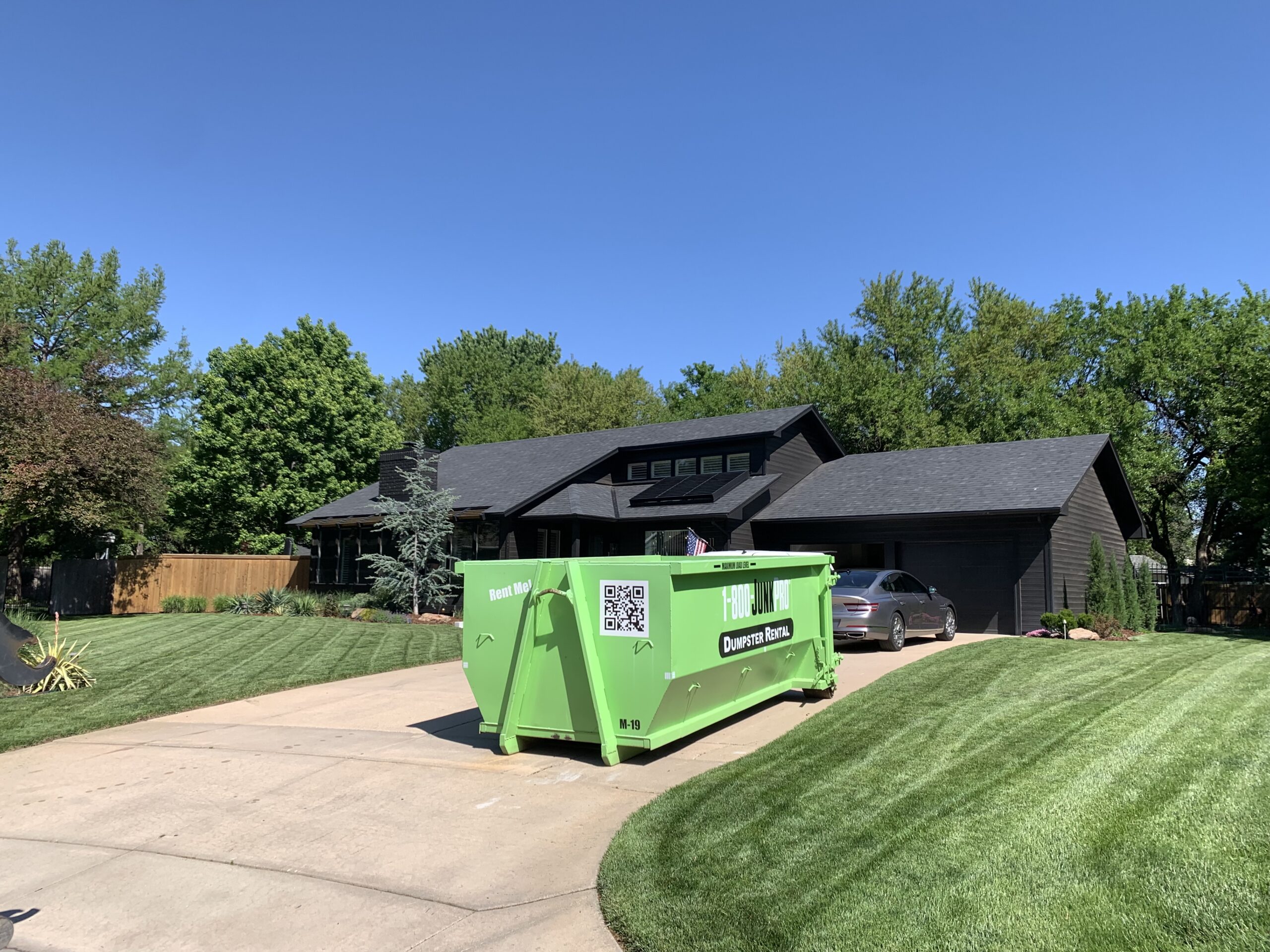
How Long Should You Keep a Dumpster Rental?

The right dumpster rental period depends on the type of project, the amount of debris, and how quickly work is completed. While some projects only need a dumpster for a few days, others benefit from longer rental periods.

In simple terms, choosing the right rental length helps prevent unnecessary costs and keeps your project moving efficiently.

Who This Applies To

This information is especially helpful for:

  • Homeowners completing cleanouts or renovations
  • Contractors managing active job sites
  • Property managers coordinating property improvements
  • Businesses handling ongoing cleanup projects

Why This Matters

Many people focus on dumpster size but overlook rental duration. However, choosing the wrong timeframe can create unnecessary challenges.

In many cases:

  • Projects take longer than expected
  • Weather delays impact schedules
  • Additional debris is discovered during the job

Because of this, selecting the right rental period from the start helps avoid interruptions and unexpected costs.

Step-by-Step: Choosing the Right Rental Period

  1. Identify the Scope of the Project

Start by determining the size and complexity of the work. A garage cleanout typically requires less time than a major renovation or construction project.

  1. Estimate How Much Debris Will Be Generated

Projects that create debris gradually often require longer rental periods than projects that generate debris all at once.

  1. Consider Your Schedule

Think about weekends, contractor availability, inspections, material deliveries, and other factors that may impact progress.

  1. Plan for Unexpected Delays

Almost every project encounters some type of delay. Allowing extra time can help reduce stress and prevent rushed decisions.

  1. Schedule Pickup When the Project Is Complete

Keeping the dumpster until cleanup is finished often makes the project easier to manage.

The Key Factors to Consider

The main factors include:

  • Project size
  • Debris volume
  • Work schedule
  • Weather conditions
  • Contractor timelines

In many cases, the timeline changes once work begins, making flexibility an important consideration.

Common Mistakes to Avoid

  • Choosing the shortest rental period available
  • Underestimating project duration
  • Scheduling pickup too early
  • Forgetting to account for weather or material delays

A common situation occurs when a project expands after demolition begins, creating more debris and requiring additional time.

Real-World Scenario

For example:

A homeowner schedules a dumpster for a weekend bathroom renovation. After removing drywall and flooring, hidden damage is discovered that requires additional repairs.

As a result, the project takes several extra days to complete.

At that point, having flexibility with the rental period helps keep the project moving forward.

When a Longer Rental Makes Sense

A longer rental period often makes sense when:

  • The project involves multiple phases
  • Work will be completed over several weekends
  • Contractors will be working on different schedules
  • Additional debris may be generated unexpectedly

Therefore, many customers choose a rental period that provides a small buffer rather than planning for the minimum amount of time.

What to Expect From a Professional Dumpster Rental Service

  1. Review your project details
  2. Recommend an appropriate dumpster size
  3. Discuss rental period options
  4. Deliver and place the dumpster
  5. Coordinate pickup when the project is complete

This structured approach helps ensure the dumpster supports the project instead of becoming a scheduling concern.

Cost vs Value

A shorter rental period may appear less expensive initially. However, rushing a project or extending the rental unexpectedly can create additional costs.

On the other hand, choosing the appropriate rental period from the beginning often provides better overall value and flexibility.

In Simple Terms

  • Small cleanouts → Shorter rental periods
  • Renovations and construction → Longer rental periods
  • Uncertain timelines → Extra flexibility is beneficial

Understanding your project schedule helps determine the best rental length.

Conclusion

The ideal dumpster rental period depends on your project, timeline, and debris volume. By planning ahead and allowing for flexibility, you can keep your cleanup, renovation, or construction project running smoothly from start to finish.

1-800-JUNKPRO provides dumpster rental services with flexible rental options designed to support projects of all sizes while helping customers stay on schedule.

Frequently Asked Questions

Can I extend my dumpster rental if I need more time?

Yes. Most rental periods can be extended based on availability and project needs.

What happens if I finish early?

If your project finishes ahead of schedule, you can often arrange an earlier pickup.

How do I know how long I should keep the dumpster?

The best rental period depends on your project scope, debris volume, and expected timeline. Planning for a small amount of extra time is often beneficial.

Construction Debris Removal: What Contractors Need to Know

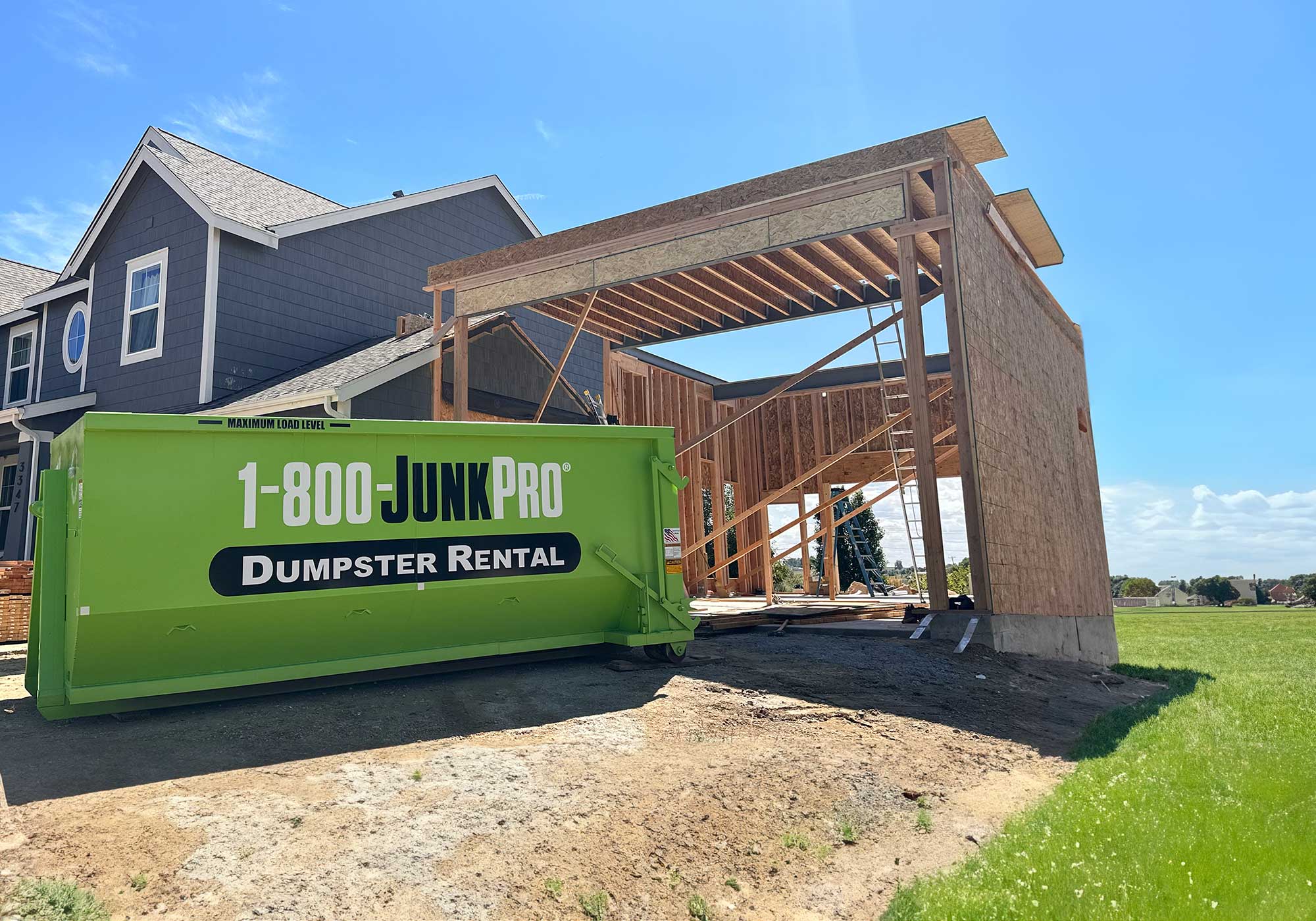
1-800-JunkPro Dumpster at a construction site

Construction debris removal requires planning, proper disposal methods, and the right equipment. A dumpster rental allows contractors to manage debris efficiently while keeping projects on schedule.

In simple terms, having the right plan and container in place keeps debris from slowing down the job.

Who This Applies To

This information is especially helpful for:

  • Contractors managing active job sites
  • Project managers coordinating timelines
  • Property owners overseeing renovations

Why This Matters

Construction and renovation projects generate large amounts of debris quickly. Without a plan, materials begin to pile up, hindering progress.

In many cases:

  • Debris takes up valuable workspace
  • Crews lose time moving materials
  • Safety risks increase on-site

Because of this, proper debris management helps maintain workflow, improve safety, and prevent delays.

Common Types of Construction Debris

Contractors typically deal with a mix of materials, including:

  • Wood and framing materials
  • Drywall and insulation
  • Roofing materials
  • Flooring and tile
  • General demolition debris

Each material may require different handling depending on weight, volume, and disposal requirements.

Step-by-Step: Managing Construction Debris

1. Plan for Debris Before the Project Starts

Before work begins, estimate the type and volume of debris that will be generated.

Planning ahead helps determine the right dumpster size and placement.

2. Choose the Right Dumpster Size

Selecting the correct dumpster size is critical. A dumpster that is too small may require additional hauls, while one that is too large may not be cost-efficient.

Matching the dumpster to the project helps keep everything running smoothly.

3. Place the Dumpster Strategically

Position the dumpster in a location that is easy to access but does not interfere with workflow.

Proper placement reduces time spent carrying materials and improves efficiency.

4. Load Debris Efficiently

Load materials evenly and avoid overfilling. Keeping the dumpster organized helps maximize space and prevents issues during pickup.

5. Schedule Pickup at the Right Time

Coordinating pickup ensures debris is removed when needed without disrupting the project timeline.

Timely removal helps keep the job site clean and organized.

The Key Factors to Consider

The main factors include:

  • Project size – Larger jobs create more debris
  • Material type – Heavy materials impact capacity
  • Timeline – Faster jobs require quicker removal

In many cases, planning ahead prevents the most common delays.\

Common Mistakes to Avoid

  • Waiting too long to manage debris
  • Choosing the wrong dumpster size
  • Overfilling the container
  • Placing the dumpster too far from the work area

A common situation is when debris builds up faster than expected, slowing productivity.

Real-World Scenario

For example:
A contractor starts a renovation without a clear debris plan. As materials pile up, the crew spends extra time clearing space instead of continuing work.

At that point, productivity drops and the timeline begins to slip.

When Dumpster Rental Makes the Most Sense

A dumpster rental is ideal when:

  • The project spans multiple days
  • Large amounts of debris are generated
  • Continuous cleanup is needed
  • Efficiency and time management are priorities

Therefore, many contractors rely on dumpster rentals to keep projects moving efficiently.

What to Expect From a Professional Service

  1. Review the project and recommend the right size
  2. Deliver and place the dumpster
  3. Allow ongoing loading throughout the project
  4. Coordinate timely pickup or swap-outs
  5. Ensure proper disposal

This structured approach helps keep the job site clean and organized.

Cost vs Value

Handling debris without a plan often leads to:

  • Lost time
  • Increased labor
  • Project delays

However, using a dumpster rental simplifies the process and keeps everything moving forward.

In Simple Terms

  • Small jobs → Minimal debris, simple solution
  • Larger projects → Ongoing debris, structured removal needed

Understanding this helps contractors plan more effectively.

Conclusion

Managing construction debris effectively is essential for keeping projects on schedule and maintaining a safe job site. With proper planning and the right dumpster rental, contractors can streamline cleanup and improve overall efficiency.

1-800-JUNKPRO® provides dumpster rental services for construction projects, offering reliable delivery, pickup, and disposal.

Frequently Asked Questions

1. What materials can go into a construction dumpster?

Most construction materials, such as wood, drywall, and general debris, are accepted, though certain restrictions may apply.

2. How do I know what size dumpster to choose?

The size depends on the project’s scope and the amount of debris expected. Planning ahead helps determine the right option.

3. Can I keep the dumpster for the entire project?

Yes, rental periods can be adjusted based on project needs, with extensions available if necessary.

How Dumpster Swap-Outs Keep Construction Projects on Schedule

Dumpster swap-outs keep construction projects on schedule by removing full dumpsters and replacing them with empty ones without delay. This prevents debris from building up and allows crews to continue working without interruption.

In simple terms, swap-outs ensure there is always space available for debris, so work never has to stop.

Who This Applies To

This information is especially helpful for:

  • Contractors managing active job sites
  • Project managers coordinating multiple phases of work
  • Property owners overseeing renovations or construction

Why This Matters

Construction projects generate debris throughout the day. As materials are removed, waste begins to accumulate faster than expected.

In many cases:

  • Dumpsters fill up mid-project
  • Debris starts taking up workspace
  • Crews slow down due to limited space

As a result, poor debris management can directly affect productivity and project timelines.

Step-by-Step: How Dumpster Swap-Outs Work

  1. Monitor the Dumpster Fill Level: As debris builds up, it is important to keep track of how quickly the dumpster is filling.
  2. Schedule the Swap-Out in Advance: Scheduling ahead helps avoid downtime and ensures a replacement is ready when needed.
  3. Remove the Full Dumpster: The full container is picked up and transported for proper disposal.
  4. Deliver a Replacement Dumpster: An empty dumpster is placed on-site, often during the same visit.
  5. Continue Work Without Delays: Crews can continue loading debris and maintain steady progress.

The Key Factors to Consider

  • Project size – Larger jobs generate more debris and require more frequent swap-outs
  • Material type – Heavy debris like roofing or concrete can fill capacity faster
  • Timeline – Tight schedules require more proactive planning

In many cases, projects that plan swap-outs early avoid the most common delays.

Common Mistakes to Avoid

  • Waiting until the dumpster is completely full
  • Underestimating how quickly debris builds up
  • Not scheduling replacement in advance

A common situation is when a dumpster fills unexpectedly, leaving crews with nowhere to place debris.

For example:
A construction crew reaches the middle of a project, and the dumpster fills earlier than expected. Without a swap-out scheduled, debris starts piling up around the site.

At this point, many customers realize that cleanup can quickly become a bottleneck if not planned properly.

When It Makes Sense to Use Dumpster Swap-Outs

It often makes sense when:

  • The project generates continuous debris
  • The timeline is tight
  • Multiple phases of work are scheduled
  • Jobsite efficiency is a priority

In these cases, swap-outs help maintain a clean and organized workspace.

At this point, many customers choose to schedule regular swap-outs to avoid delays and keep projects moving forward.

What to Expect From a Professional Service

  1. Review the project and estimate debris needs
  2. Recommend appropriate dumpster size and schedule
  3. Deliver and place the dumpster
  4. Coordinate timely swap-outs as needed
  5. Ensure proper disposal and completion

This structured approach helps ensure consistent progress and minimal downtime.

Cost vs Value

While it may seem easier to use a single dumpster, projects often require more flexibility.

Without swap-outs, crews may face:

  • Work delays
  • Lost productivity
  • Additional labor handling debris

When these factors are considered, scheduled swap-outs often provide better overall value by keeping the project on track.

In Simple Terms

Most construction projects fall into two categories:

  • Smaller projects → One dumpster may be enough
  • Larger or ongoing projects → Swap-outs keep everything moving

Understanding this helps you plan more effectively.

Conclusion

Dumpster swap-outs are a simple but powerful way to keep construction projects on schedule. By quickly replacing full dumpsters, they prevent delays, maintain workspace, and support consistent progress.

1-800-JUNKPRO® provides dumpster rental services designed to support ongoing projects, including reliable swap-outs that help keep work moving efficiently.

Frequently Asked Questions

1. How quickly can a dumpster swap-out be completed?

Swap-outs can often be scheduled quickly, especially when planned in advance, to minimize downtime.

2. Should I wait until the dumpster is full?

No. Scheduling a swap-out before it reaches capacity helps prevent delays and keeps work moving.

3. Are swap-outs necessary for every project?

Not always. However, for projects with continuous debris, they are highly beneficial.

How Long Should You Keep a Dumpster Rental

Most dumpster rentals are kept for a few days to a couple of weeks, depending on the size of the project. The right rental period depends on how quickly debris is generated and on the projectis schedule.

In simple terms, smaller cleanups need less time, while larger or ongoing projects require longer rental periods.

Who This Applies To

This information is especially helpful for:

  • Homeowners planning cleanouts or renovations
  • Contractors managing active job sites
  • Property managers coordinating multi-day projects

Why This Matters

Choosing the right rental period helps keep your project on schedule and avoids unnecessary costs.

In many cases:

  • Projects take longer than expected
  • Debris builds up faster than planned
  • Delays extend the timeline

Because of this, planning your rental duration in advance prevents interruptions.

Step-by-Step: How to Determine the Right Rental Period

1. Define the Scope of Your Project: Start by understanding how much work will be completed and how quickly debris will be generated.

2. Estimate the Volume of Debris: Larger volumes usually require more time to load, especially if debris is spread out.

3. Consider Your Schedule: If the project spans multiple days or phases, you may need a longer rental.

4. Account for Delays: Weather, labor, or unexpected issues can extend timelines.

5. Plan for Pickup Timing: Schedule pickup when the dumpster is full or the project is complete.

The Key Factors to Consider

The main factors include:

  • Project size – Larger jobs take longer
  • Debris type – Heavy or bulky items slow loading
  • Work pace – Faster crews fill dumpsters more quickly

In many cases, underestimating time leads to extensions.

Common Mistakes to Avoid

  • Choosing too short of a rental period
  • Waiting too long to schedule pickup
  • Not planning for delays

A common situation is needing extra days because the project took longer than expected.

Real-World Scenario

For example:
A homeowner schedules a short rental for a renovation. However, delays push the project beyond the original timeline.

As a result, the rental must be extended.

When It Makes Sense to Extend Your Rental

It often makes sense when:

  • The project is still ongoing
  • Debris continues to be generated
  • Additional cleanup is needed

Therefore, extending the rental helps keep everything organized.

What to Expect From a Professional Service

  1. Review your project timeline
  2. Recommend a rental period
  3. Deliver and place the dumpster
  4. Adjust timing if needed
  5. Coordinate pickup

This approach helps keep your project flexible.

Cost vs Value

Short rentals may seem efficient. However, extensions can add cost.

On the other hand, choosing the right timeframe upfront often provides better value.

In Simple Terms

  • Short projects → Short rental
  • Larger projects → Longer rental

Planning ahead makes the difference.

Conclusion

The right dumpster rental period depends on your project size, timeline, and debris volume. By planning ahead and allowing flexibility, you can keep your project running smoothly.

1-800-JUNKPRO® provides dumpster rental services with flexible scheduling to support projects of all sizes.

Frequently Asked Questions

1. Can I extend my rental period?

Yes, most rentals can be extended if needed, subject to availability.

2. What happens if I finish early?

You can schedule an early pickup if available.

3. How do I know the right timeframe?

It depends on project size and pace. Call us, we can help.

What Can and Cannot Go in a Dumpster Rental

9 icons depicting what cannot go in a rental dumpster

Most dumpster rentals accept general household junk, construction debris, and yard waste. However, hazardous materials, certain electronics, and items requiring special handling are typically not allowed.

In simple terms, everyday debris is usually acceptable, but anything dangerous or regulated must be handled separately.

Who This Applies To

This information is especially helpful for:

  • Homeowners planning cleanouts or renovation projects
  • Contractors managing jobsite debris
  • Property managers handling large-scale cleanups

Why This Matters

Knowing what can and cannot go in a dumpster helps prevent delays, additional charges, and unexpected issues during pickup.

In many cases:

  • Restricted items are loaded without realizing it
  • Dumpsters cannot be hauled due to disposal rules
  • Extra time is required to remove prohibited materials

Because of this, understanding these guidelines ahead of time keeps your project running smoothly.

Step-by-Step: How to Load a Dumpster the Right Way

  1. Identify Materials Before You Start: Take a quick look at everything you plan to throw away. This helps avoid loading items that are not allowed.
  2. Separate Restricted Items Early: Set aside anything that may require special disposal, such as chemicals, batteries, or electronics.
  3. Load Large Items First: Placing bulky items at the bottom helps maximize space and makes loading more efficient.
  4. Fill Gaps With Smaller Debris: Loose items like trash and packaging can be used to fill empty space.
  5. Keep Materials Below the Top Edge: Overfilling a dumpster can delay pickup and create safety concerns.

The Key Factors to Consider

The main factors include:

  • Material type – Some items require special handling
  • Weight – Heavy debris can impact hauling limits
  • Local regulations – Restrictions vary by area

In many cases, these factors determine whether a load can be hauled without issue.

What Can Go in a Dumpster Rental

Most non-hazardous materials are accepted, including:

  • Household junk such as furniture, clothing, and general clutter
  • Construction debris like wood, drywall, flooring, and insulation
  • Roofing materials such as shingles (weight limits may apply)
  • Yard waste including branches, leaves, and organic material
  • Non-hazardous appliances without refrigerants
  • Paper, cardboard, and packaging materials
  • Metal items such as furniture, fixtures, and scrap

These materials are commonly handled and processed without issue.

What Cannot Go in a Dumpster Rental

Certain items are restricted due to safety and environmental regulations:

  • Hazardous chemicals, paints, and pesticides
  • Batteries and certain electronic waste
  • Tires (often require separate handling)
  • Appliances containing refrigerants
  • Flammable materials such as gasoline or propane tanks
  • Medical or biological waste
  • Explosives or ammunition

These items require specialized disposal and should never be placed in a standard dumpster.

Common Mistakes to Avoid

  • Throwing in items without checking restrictions
  • Mixing hazardous materials with general debris
  • Overfilling the dumpster beyond capacity

A common situation is adding restricted items at the end of a project, which can delay pickup.

Real-World Scenario

For example:
A homeowner completes a renovation and loads a dumpster with debris. At the end, leftover paint and chemicals are added without realizing they are restricted.

At pickup, the dumpster cannot be hauled until those items are removed, delaying the project.

When It Makes Sense to Plan Ahead

It often makes sense when:

  • You are handling a large cleanup or renovation
  • Multiple types of materials are involved
  • You want to avoid delays or additional fees

👉 At this point, many customers take a few extra minutes to confirm acceptable items before loading.

What to Expect From a Professional Service

  1. Review your project and materials
  2. Provide guidance on what can be loaded
  3. Deliver and place the dumpster
  4. Ensure proper hauling and disposal
  5. Help prevent delays or compliance issues

This structured approach helps ensure everything is handled correctly.

Cost vs Value

Loading restricted items can lead to:

  • Additional fees
  • Delayed pickups
  • Extra labor to correct the issue

When these are considered, understanding guidelines upfront provides better overall value.

In Simple Terms

Most projects fall into two categories:

  • General debris → Safe for dumpsters
  • Hazardous or regulated materials → Require special disposal

Knowing the difference helps avoid problems.

Conclusion

Understanding what can and cannot go in a dumpster rental helps prevent delays, additional costs, and project disruptions. By planning ahead and following guidelines, you can keep your cleanup efficient and stress-free.

1-800-JUNKPRO® provides dumpster rental services designed to help customers manage debris properly, with guidance to ensure everything is handled safely and efficiently.

Frequently Asked Questions

1. Can I put appliances in a dumpster?

Some appliances are allowed, but those containing refrigerants require special handling.

2. What happens if I load a restricted item?

The item may need to be removed before pickup, which can delay the process.

3. Can I mix different types of debris?

Yes, most general debris can be mixed as long as restricted materials are not included.

Dumpster Rental Pricing Explained: What You’re Really Paying For

Dumpster rental pricing is based on several key factors, including the dumpster size, the type and weight of the materials, the rental period, and disposal costs. Understanding these elements helps you choose the right option and avoid unexpected charges.

How Dumpster Rental Pricing Works

Dumpster rental pricing is designed to reflect the full scope of the service, not just the container itself. When you rent a dumpster, you are paying for delivery, placement, pickup, transportation, and proper disposal of the materials inside.

Because each project is different, pricing can vary depending on how the dumpster is used and what it contains.

The Key Factors That Affect Dumpster Rental Cost

Dumpster Size
The size of the dumpster is one of the most important factors in pricing. Larger dumpsters can hold more material, which increases both capacity and disposal volume.
Choosing the right size helps avoid overpaying for unused space or needing a second dumpster later.

Type of Materials
Different materials require different handling and disposal methods.

For example:

  • Household debris may be easier to process
  • Construction materials can be heavier
  • Certain items may require special handling

Because of this, the type of debris you load into the dumpster can impact the total cost.

Weight of the Load
Most dumpster rentals include a set weight allowance. If the contents exceed that limit, additional charges may apply.
Heavy materials such as roofing shingles, concrete, or dirt can quickly exceed weight limits, even if the dumpster is not completely full.

Rental Period
The length of time you keep the dumpster also affects pricing.
Short-term projects may require only a few days, while larger jobs may need extended rental periods. Keeping a dumpster longer than the included timeframe can result in additional fees.

Delivery and Pickup Logistics
The cost of delivery and pickup is included in most rentals. However, factors such as distance, accessibility, and placement requirements can influence pricing.
For example, driveway protection may require additional cost.

Step-by-Step: What Happens During a Dumpster Rental

  1. Schedule delivery based on your project timeline
  2. The dumpster is delivered and placed in the agreed location
  3. You load the dumpster at your own pace
  4. Once full or complete, pickup is scheduled
  5. Materials are transported and properly disposed of

Each step involves coordination, transportation, and disposal, all of which are factored into the price.

How to Avoid Unexpected Costs

Planning ahead can help you stay within budget:

  • Choose the correct dumpster size
  • Understand what materials you are disposing of
  • Avoid overfilling or exceeding weight limits
  • Stay within the rental timeframe

Knowing these details upfront can help you avoid additional charges and keep your project running smoothly.

When a Dumpster Rental Makes the Most Sense

A dumpster rental is often the best choice when:

  • You are working on a project over several days
  • You want the flexibility to load debris at your own pace
  • You are handling construction, renovation, or large cleanup work
  • You prefer to manage the loading process yourself

In these situations, having a dumpster on-site provides convenience and efficiency.

Conclusion

Dumpster rental pricing reflects more than just the container. It includes delivery, placement, pickup, transportation, and proper disposal of materials.

Understanding these factors helps you plan your project more effectively and choose the right dumpster for your needs.

1-800-JUNKPRO® provides dumpster rental services designed to support a wide range of projects, with a focus on reliable service and responsible disposal.

Frequently Asked Questions

1. What size dumpster should I choose?

The right size depends on the type and amount of debris. Smaller projects may only require a 10- or 15-yard dumpster, while larger projects may need 20 yards or more.

2. What happens if the dumpster is too heavy?

If the weight exceeds the included limit, additional charges may apply based on the excess weight and disposal requirements.

3. Can I keep the dumpster longer if needed?

Yes, rental periods can often be extended. Additional time may incur extra fees, depending on the length of the extension.

WE DELIVER IT. YOU FILL IT. WE PICK IT UP.®


When a Dumpster Rental Makes More Sense Than Multiple Trips

Some projects create more debris than expected. As a result, hauling everything yourself can quickly turn into multiple trips, wasted time, and added frustration. A dumpster rental provides a more efficient solution when debris starts to pile up.

Why Multiple Trips Become a Problem

At first, hauling debris yourself may seem manageable. However, repeated trips to disposal sites can take hours or even days. Fuel costs, time off work, and physical effort all add up quickly.

Meanwhile, loading and unloading materials multiple times increases the risk of injury and fatigue.

Projects That Benefit from a Dumpster Rental

Dumpster rentals are ideal for projects that generate continuous debris. For example:

  • Home renovations
  • Roofing tear-offs
  • Garage cleanouts
  • Yard projects
  • Moving or downsizing

In these situations, having a dumpster on-site keeps everything organized and accessible.

How the Rental Process Works

The process is straightforward. First, a dumpster is delivered and placed in a convenient location. Then, you fill it at your own pace. Once the project is complete, the dumpster is picked up, and the contents are hauled away for proper disposal or recycling.

This workflow eliminates the need to manage disposal yourself.

What Can Go Into a Dumpster

Most common materials are accepted, including:

  • Household junk
  • Construction debris
  • Wood, drywall, and flooring
  • Yard waste

However, certain restricted items may be prohibited under local regulations.

Keeping Projects on Track

Having a dumpster on-site helps maintain momentum. Instead of stopping to haul debris, you can continue working efficiently. As a result, projects are often completed faster.

Responsible Waste Handling

Proper disposal is essential. Materials are sorted when possible to reduce landfill impact.

Final Thoughts

If your project involves ongoing debris, a dumpster rental offers a simple, effective solution that saves time and effort.

FAQs

1. How long can I keep a dumpster?
Rental periods vary, but options typically include short-term and extended rentals.

2. Where can the dumpster be placed?
Dumpsters can usually be placed in driveways or designated job site areas.

3. Do I need to be present for delivery?
Not always. As long as clear placement instructions are provided and the required e-signature is completed in advance, delivery can be made without someone onsite. We send all necessary documents via email for a quick and easy e-signature process.

WE DELIVER IT. YOU FILL IT. WE PICK IT UP.®

Dumpster Placement Strategy: How Location Impacts Jobsite Efficiency

Dumpster rental involves more than just selecting the right size. Placement is crucial for how smoothly a jobsite runs.

When dumpsters are placed without a plan, crews waste time walking materials across the site, avoiding obstacles, or working around debris. Poor placement can slow progress and pose safety hazards.

Smart placement enhances workflow, cuts down labor time, and keeps projects on track.

The #1 Pain Point: Wasted Time on the Jobsite

Contractors often experience avoidable delays because of poor debris management. When dumpsters are placed too far from the work zone, crews waste more time moving materials than actually working.

Common issues include:

  • Long carry distances for heavy materials
  • Blocked access points
  • Interference with equipment or deliveries
  • Congested work areas

These minor inefficiencies accumulate rapidly throughout a project.

Best Practice: Place Dumpsters Based on Workflow

Industry best practice is to position dumpsters based on how the job progresses, not just where space is available.

Effective placement includes:

  • Positioning near primary work zones
  • Allowing clear access for loading
  • Keeping entry points and pathways open
  • Adjusting placement as project phases change

This reduces unnecessary movement and improves productivity.

Supporting Safety and Organization

Proper placement also enhances safety on the jobsite. Containing debris and keeping it out of walkways reduces trip hazards and helps maintain clear work areas.

A well-placed dumpster:

  • Keeps materials controlled
  • Prevents debris from spreading
  • Supports safer working conditions
  • Helps maintain inspection readiness

An organization’s structure directly impacts both safety and efficiency.

Planning Placement Before Delivery

The most efficient job sites plan placement before the dumpster arrives. Considering access, surface conditions, and workflow ensures the container is positioned correctly from the start.

This prevents:

  • Repositioning delays
  • Interference with crews or equipment
  • Disruption to project timelines

A small amount of planning can significantly improve job-site performance.

FAQs About Dumpster Placement

Where should a dumpster be placed on a jobsite?
It should be placed close to the primary work area while maintaining clear access for loading and safe movement around the site.

Can dumpsters be repositioned after delivery?
Repositioning may be possible, but planning placement in advance avoids delays and additional service needs.

Does placement impact productivity?
Yes. Proper placement reduces travel time, improves workflow, and helps crews stay focused on the job.

Final Thoughts

Dumpster placement is a critical part of jobsite planning. When containers are positioned strategically, crews work more efficiently, projects stay organized, and timelines remain on track.

A well-placed dumpster supports the job instead of slowing it down.

WE DELIVER IT. YOU FILL IT. WE PICK IT UP.®

Fire and Disaster Restoration: Why Dumpster Rental Is Critical to Proper Debris Management

An Large Rented Dumpster in front of a Home-Fire cleanout

Fire, water, storm, and structural damage restoration projects require immediate action. Once mitigation begins, debris removal is among the first operational priorities.

In restoration environments, debris is not simply construction waste. It may include fire-damaged materials, water-saturated drywall, flooring, insulation, and structural components. Proper containment and disposal are critical for safety, compliance, and project progression.

Dumpster rental plays a foundational role in keeping restoration projects organized, compliant, and on schedule.

The Restoration Contractor’s Top Concern: Speed Without Compromising Compliance

Restoration timelines are often urgent. Insurance deadlines, safety concerns, and property stabilization require rapid mobilization.

However, urgency does not eliminate regulatory requirements. Disposal must still comply with landfill standards, weight limits, and local waste-handling regulations.

Industry best practice supports:

  • Immediate container placement once mitigation begins

  • Strategic positioning to allow safe debris loading

  • Coordination of timely pickups to prevent overflow

  • Clear separation of regulated materials

A properly managed dumpster rental plan allows restoration teams to move quickly while maintaining compliance.

Handling Fire-Damaged and Water-Damaged Materials

Fire restoration often results in charred framing, damaged drywall, insulation, and flooring, as well as smoke-impacted debris. Water damage projects may generate saturated materials that significantly increase load weight.

Industry standards emphasize:

  • Monitoring weight when disposing of water-logged materials

  • Avoiding overfilled containers to maintain safe transport

  • Segregating materials when required

  • Preventing debris from obstructing egress or emergency access

Heavy, moisture-laden debris can reach weight limits faster than anticipated. Proper container sizing and scheduling prevent costly overweight charges and delays.

Safety and Site Organization During Disaster Cleanup

Restoration sites must remain safe for crews, inspectors, and property owners. Debris accumulation increases trip hazards and restricts workflow.

Best practices include:

  • Keeping dumpsters positioned to allow clear access paths

  • Removing debris continuously rather than stockpiling

  • Scheduling swaps during major demolition phases

  • Maintaining controlled loading procedures

An organized waste removal system reduces secondary hazards and keeps restoration work progressing efficiently.

Environmental and Disposal Considerations

Not all disaster debris is handled the same way. Certain materials may require specialized disposal depending on contamination, moisture, or regulatory classification.

Professional dumpster rental planning ensures:

  • Proper routing of debris to approved facilities

  • Compliance with disposal guidelines

  • Accurate weight tracking

  • Clear coordination between restoration teams and waste haulers

Documentation and clear communication are especially important when insurance carriers or adjusters are involved.

Coordinating Dumpster Rental With Restoration Phases

Disaster restoration typically moves through defined phases: mitigation, demolition, drying, and rebuilding. Waste generation varies significantly across stages.

Industry best practice recommends:

  • Scheduling delivery before demolition begins

  • Anticipating increased volume during tear-out

  • Coordinating pickup once structural drying is complete

  • Adjusting container size as rebuilding progresses

Aligning dumpster rental with restoration phases prevents downtime and keeps crews focused on recovery efforts.

FAQs About Dumpster Rental for Fire and Disaster Restoration

What type of dumpster is typically used for restoration projects?
Container size depends on the scope of demolition and the volume of debris. Water-damaged materials may require careful weight consideration.

Can water-damaged materials increase disposal costs?
Yes. Saturated materials are heavier and can quickly reach weight limits, making proper sizing and scheduling important.

How does dumpster rental support insurance-related projects?
Coordinated scheduling, documented disposal, and proper debris management help maintain organized workflows that align with restoration timelines and reporting needs.

Final Thoughts

Fire and disaster restoration demands urgency, precision, and organization. Dumpster rental is not just a support service; it is a critical component of safe and compliant debris management.

When structured according to industry best practices, dumpster rental allows restoration teams to stabilize properties, manage waste efficiently, and keep projects moving forward without unnecessary disruption.

WE DELIVER IT. YOU FILL IT. WE PICK IT UP.®

1-800-JunkPro Logo

1-800-586-5776

Give us a call at the number above for more details!