Cleaning out one closet is a project.
Cleaning out an entire house is different.
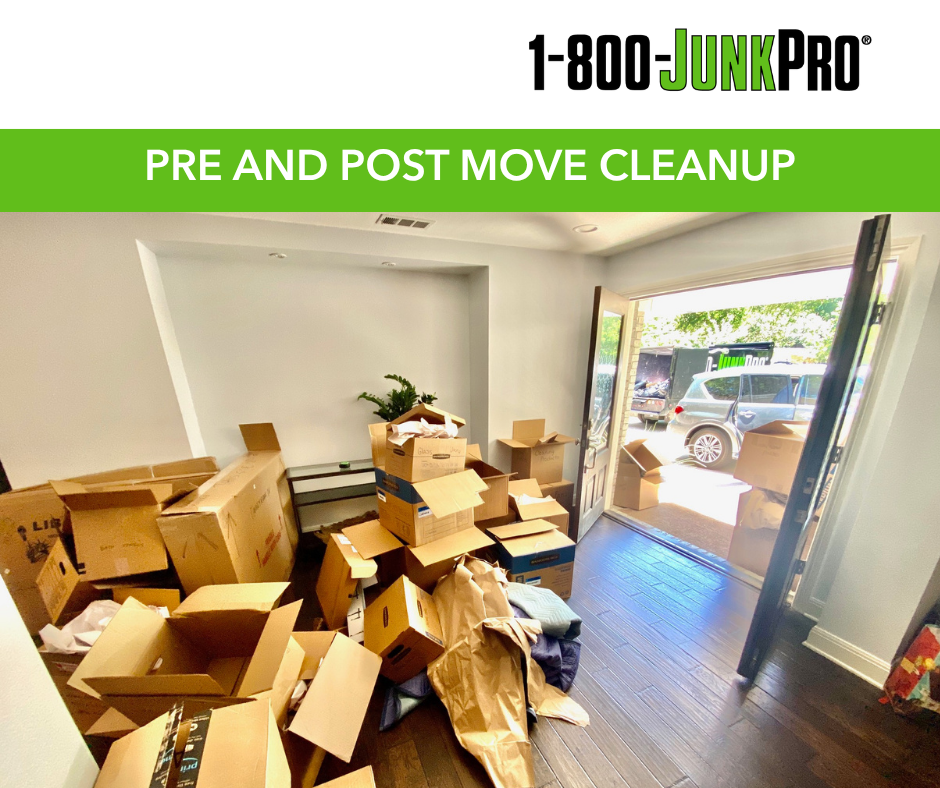
There may be furniture in every room, boxes that haven’t been opened in years, items stored in the garage or basement, things family members still need to sort through, and everyday household belongings mixed with things that are ready to go.
Whether you’re preparing a home for sale, downsizing, helping a family member, handling an estate, clearing a rental property or simply dealing with years of accumulated belongings, the hardest question is often the first one:
Where do you start?
You don’t have to empty the entire house at once. A whole-house cleanout becomes much more manageable when you separate the decisions from the removal and work through the property with a plan.
Start With a Walkthrough, Not a Trash Bag
Before carrying anything out, walk through the entire property.
The first goal isn’t to clean. It’s to understand what you’re dealing with.
Look at the bedrooms, closets, kitchen, living areas, garage, basement, attic and outdoor storage areas. Pay attention to large furniture, appliances, packed storage areas and anything that may require extra consideration.
This initial walkthrough gives you a better sense of the project’s scope before you start making individual decisions.
It can also prevent a common cleanout problem: spending hours clearing one room and then discovering that another part of the house is much more involved than expected.
Decide What Is Staying Before Focusing on What Is Going
When a home contains years of belongings, making a decision about every individual object can quickly become exhausting.
Start with the things you know need to stay.
Important documents, photographs, family keepsakes, valuables, medications, personal records and anything another family member is keeping should be identified before removal begins.
Then create a separate area for anything you’re uncertain about.
Not every decision has to be made immediately.
This is especially useful during estate, family and downsizing cleanouts, when several people may need time to decide what happens to certain belongings.
Once the things that are staying or still need a decision are separated, it becomes much easier to see what can actually leave the property.
Work Through the House in Sections
Standing in the middle of a full house and thinking about everything that needs to be removed can make the project feel enormous.
Think smaller.
Finish a room, section or category and then move to the next.
You might start with an area where the decisions are relatively straightforward, such as a garage filled with obvious unwanted items. Another home might be easier to tackle bedroom by bedroom.
There’s no universal starting room.
The important part is creating visible progress instead of starting five different areas and finishing none of them.
As space opens up, you also gain room to sort and work.
Don’t Move Everything Outside Just to Have It Removed
This is one of the biggest misconceptions about professional junk removal.
You don’t have to turn a whole-house cleanout into a whole-house moving job first.
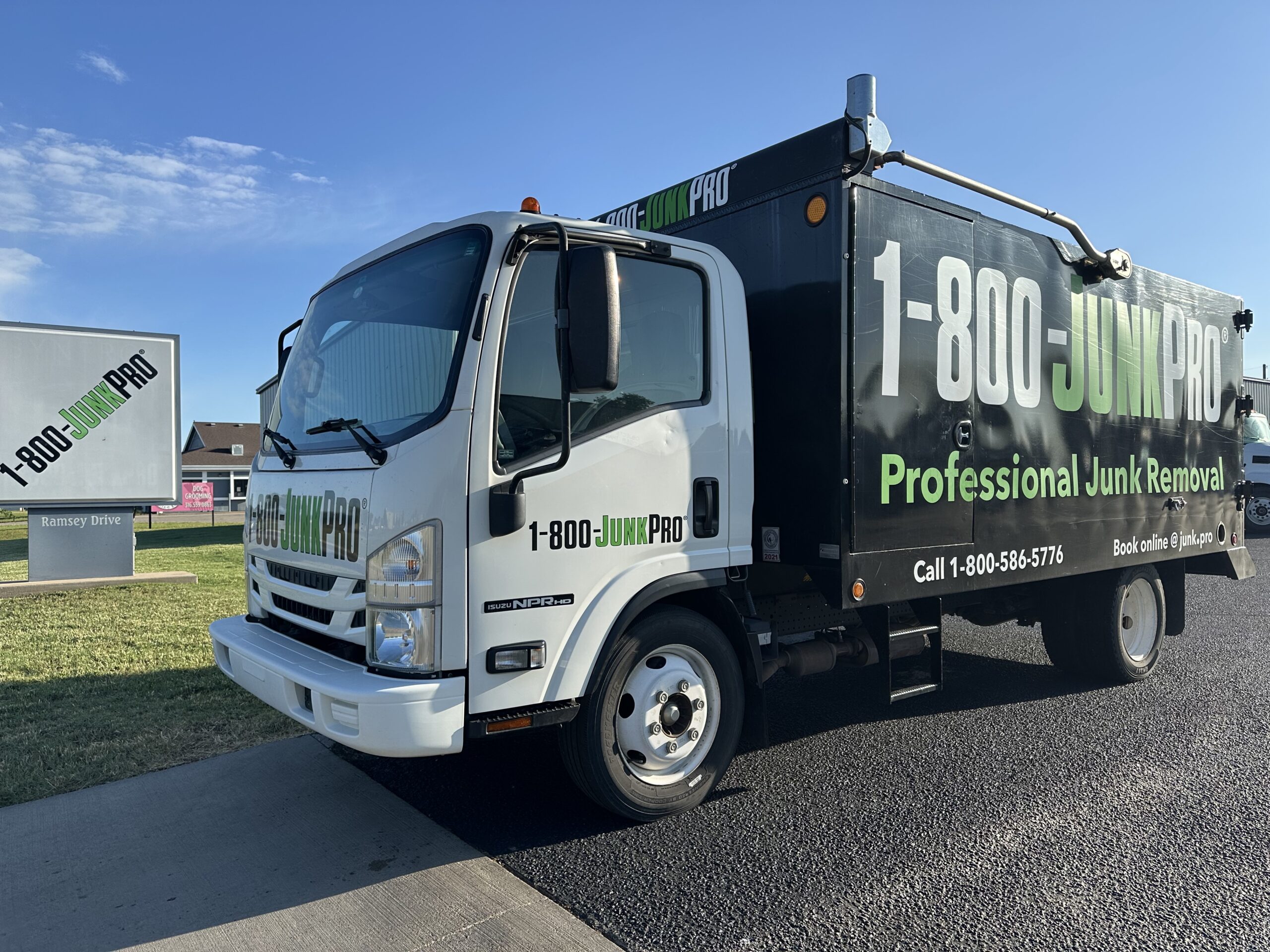
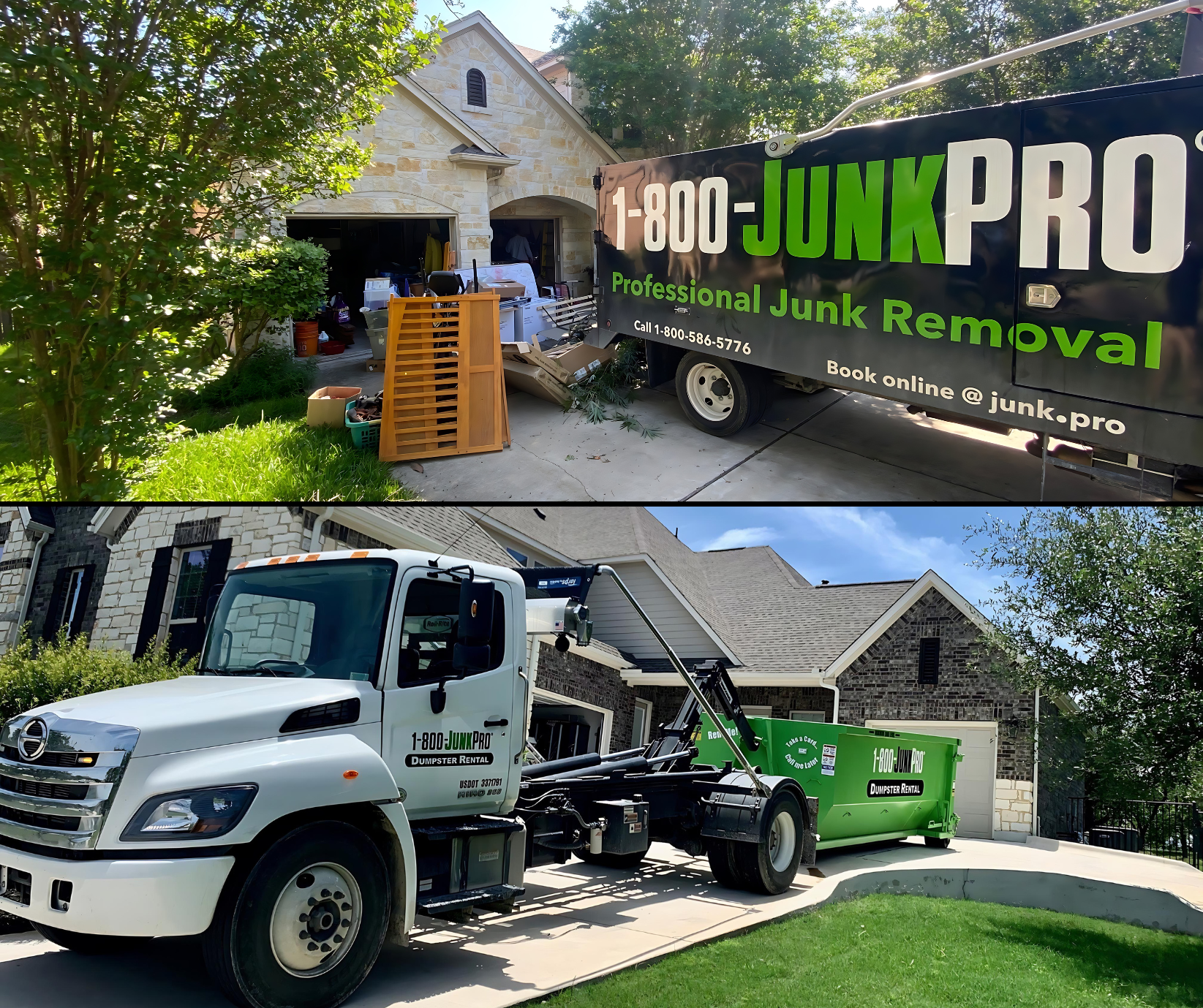
With full-service junk removal from 1-800-JUNKPRO®, accepted items don’t have to be carried to the curb, stacked in the driveway or consolidated into the garage before the crew arrives.
If the unwanted dresser is in a bedroom, show us the dresser.
If the couch is downstairs, show us the couch.
If unwanted household items are spread throughout several rooms, show our crew what needs to go.
The crew can review the items where they’re located and provide a free, no-obligation onsite quote before work begins. Once approved, we handle the lifting, loading and hauling.
That can be especially valuable during a large home cleanout because you’re already making hundreds of decisions. You don’t necessarily need to add moving every unwanted item to that workload.
From the Field: Whole-House Cleanouts
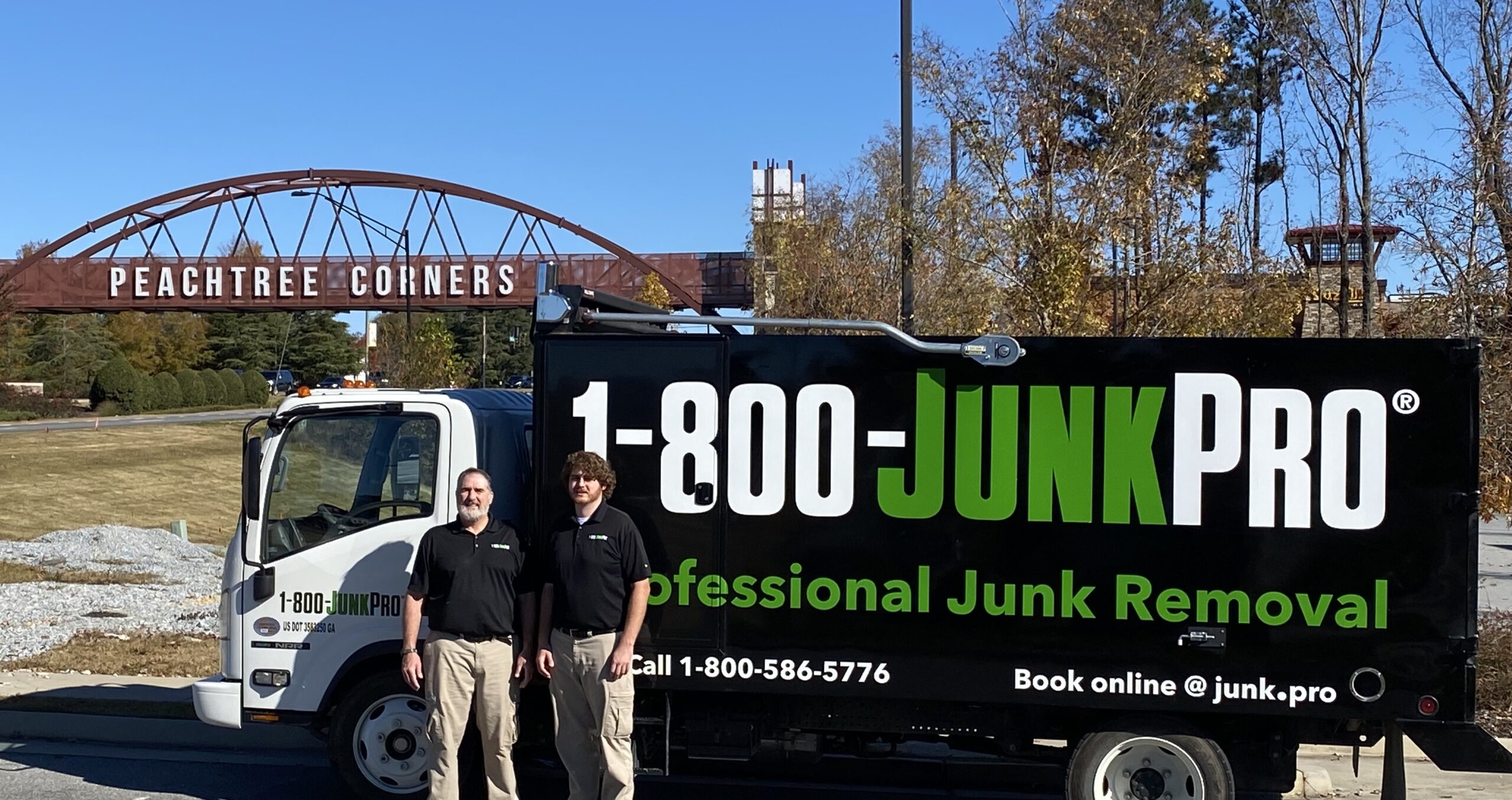
Our 1-800-JUNKPRO® Atlanta team handles cleanouts throughout Atlanta and North Metro communities, including Norcross, Roswell, Duluth, Tucker, Decatur, Marietta, Alpharetta, and surrounding areas.
Large property cleanouts show that the work is rarely confined to one room.
Unwanted furniture may be in bedrooms and living areas. Boxes and household belongings may be stored in closets. The garage may contain years of accumulated items. Other belongings can be downstairs, upstairs, or spread throughout the property.
That’s where full-service junk removal can change the project.
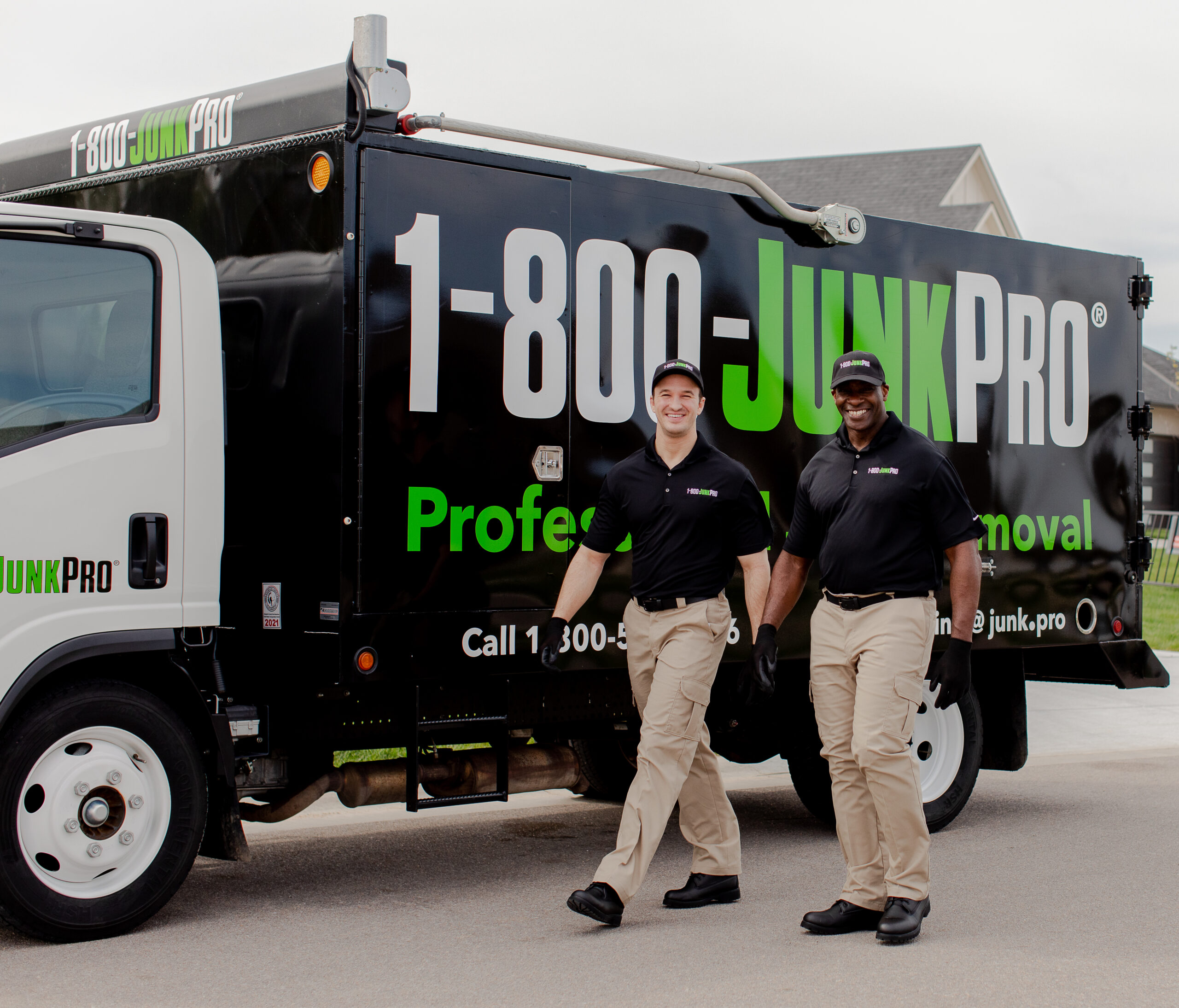
Instead of requiring everything to be carried outside first, our Atlanta crew can remove accepted items from where they are located. After reviewing what needs to go, the crew handles the heavy carrying, loading, and hauling and leaves the work area broom-swept.
For an Atlanta-area homeowner, family, property manager, or anyone responsible for clearing a property, that means the focus can stay on an important question—what stays and what goes—rather than how every unwanted couch, table, box, or household item will physically get out of the house.
Every property is different. That’s why seeing the actual home and the actual items matters during a large cleanout.
Save the Difficult Items for the Crew
Some belongings naturally slow a cleanout down.
Large furniture is an obvious example, but awkward items can become obstacles too. A heavy piece sitting in the middle of a room may prevent you from reaching other belongings. Something located downstairs may seem manageable until you start thinking about getting it up the stairs.
Don’t let one difficult item stop the entire project.
Identify it and keep working on the decisions you can make.
When professional junk removal is part of the plan, the crew can evaluate those items in their actual locations rather than requiring you to solve the removal problem first.
What Happens to Everything After It Leaves?
Not every item from a whole-house cleanout necessarily has the same destination.
Some belongings may still be usable. Other materials may be recyclable, while others need proper disposal.
Available donation and recycling options can vary by item, condition, and local market.
That’s another reason sorting important belongings before removal matters. Once you’ve clearly identified what you’re keeping, donating separately or asking the crew to remove, the cleanout process becomes much easier to manage.
How Long Does a Whole-House Cleanout Take?
There isn’t one answer.
A lightly furnished home differs from a property with decades of belongings. A homeowner who has already decided what to keep may move through the process differently than a family still sorting sentimental items.
Access matters too. Stairs, basements, attics, garages, the number and size of items, and the overall volume can all affect the project.
Instead of estimating a cleanout based only on the house’s square footage, consider how much is actually inside and how many decisions still need to be made.
Those are often better indicators of the work ahead.
When Should You Call a Junk Removal Company?
You don’t necessarily have to wait until you’ve finished sorting the entire house.
Once you can identify a meaningful portion of what needs to go, professional removal can create additional working space.
That can make the next stage easier.
For example, removing unwanted furniture and clearly identified household items may open a room you can then use to sort belongings you’re still reviewing.
A large cleanout doesn’t always have to happen in one giant final push.
A Whole-House Cleanout Starts With One Decision
Looking at an entire home can make it seem like everything needs to happen at once.
It doesn’t.
Walk through the property. Identify what must stay. Set uncertain belongings aside. Work through the home in manageable sections. Keep important items separated and clearly identify what can leave.
And don’t make the project harder by assuming you have to carry every unwanted item outside yourself.
When you’re ready for the removal portion of the project, your local 1-800-JUNKPRO® team can review what needs to go, provide a no-obligation on-site quote, and handle the lifting, loading, and hauling.
The goal isn’t to empty a house as quickly as possible.
It’s to work through it in a way that gets you from an entire house to clean out to a property that’s ready for whatever comes next.
We’re on-time. We load it. We haul it away.®