
Fire and Disaster Restoration: Why Dumpster Rental Is Critical to Proper Debris Management

An Large Rented Dumpster in front of a Home-Fire cleanout

Fire, water, storm, and structural damage restoration projects require immediate action. Once mitigation begins, debris removal is among the first operational priorities.

In restoration environments, debris is not simply construction waste. It may include fire-damaged materials, water-saturated drywall, flooring, insulation, and structural components. Proper containment and disposal are critical for safety, compliance, and project progression.

Dumpster rental plays a foundational role in keeping restoration projects organized, compliant, and on schedule.

The Restoration Contractor’s Top Concern: Speed Without Compromising Compliance

Restoration timelines are often urgent. Insurance deadlines, safety concerns, and property stabilization require rapid mobilization.

However, urgency does not eliminate regulatory requirements. Disposal must still comply with landfill standards, weight limits, and local waste-handling regulations.

Industry best practice supports:

  • Immediate container placement once mitigation begins

  • Strategic positioning to allow safe debris loading

  • Coordination of timely pickups to prevent overflow

  • Clear separation of regulated materials

A properly managed dumpster rental plan allows restoration teams to move quickly while maintaining compliance.

Handling Fire-Damaged and Water-Damaged Materials

Fire restoration often results in charred framing, damaged drywall, insulation, and flooring, as well as smoke-impacted debris. Water damage projects may generate saturated materials that significantly increase load weight.

Industry standards emphasize:

  • Monitoring weight when disposing of water-logged materials

  • Avoiding overfilled containers to maintain safe transport

  • Segregating materials when required

  • Preventing debris from obstructing egress or emergency access

Heavy, moisture-laden debris can reach weight limits faster than anticipated. Proper container sizing and scheduling prevent costly overweight charges and delays.

Safety and Site Organization During Disaster Cleanup

Restoration sites must remain safe for crews, inspectors, and property owners. Debris accumulation increases trip hazards and restricts workflow.

Best practices include:

  • Keeping dumpsters positioned to allow clear access paths

  • Removing debris continuously rather than stockpiling

  • Scheduling swaps during major demolition phases

  • Maintaining controlled loading procedures

An organized waste removal system reduces secondary hazards and keeps restoration work progressing efficiently.

Environmental and Disposal Considerations

Not all disaster debris is handled the same way. Certain materials may require specialized disposal depending on contamination, moisture, or regulatory classification.

Professional dumpster rental planning ensures:

  • Proper routing of debris to approved facilities

  • Compliance with disposal guidelines

  • Accurate weight tracking

  • Clear coordination between restoration teams and waste haulers

Documentation and clear communication are especially important when insurance carriers or adjusters are involved.

Coordinating Dumpster Rental With Restoration Phases

Disaster restoration typically moves through defined phases: mitigation, demolition, drying, and rebuilding. Waste generation varies significantly across stages.

Industry best practice recommends:

  • Scheduling delivery before demolition begins

  • Anticipating increased volume during tear-out

  • Coordinating pickup once structural drying is complete

  • Adjusting container size as rebuilding progresses

Aligning dumpster rental with restoration phases prevents downtime and keeps crews focused on recovery efforts.

FAQs About Dumpster Rental for Fire and Disaster Restoration

What type of dumpster is typically used for restoration projects?
Container size depends on the scope of demolition and the volume of debris. Water-damaged materials may require careful weight consideration.

Can water-damaged materials increase disposal costs?
Yes. Saturated materials are heavier and can quickly reach weight limits, making proper sizing and scheduling important.

How does dumpster rental support insurance-related projects?
Coordinated scheduling, documented disposal, and proper debris management help maintain organized workflows that align with restoration timelines and reporting needs.

Final Thoughts

Fire and disaster restoration demands urgency, precision, and organization. Dumpster rental is not just a support service; it is a critical component of safe and compliant debris management.

When structured according to industry best practices, dumpster rental allows restoration teams to stabilize properties, manage waste efficiently, and keep projects moving forward without unnecessary disruption.

WE DELIVER IT. YOU FILL IT. WE PICK IT UP.®
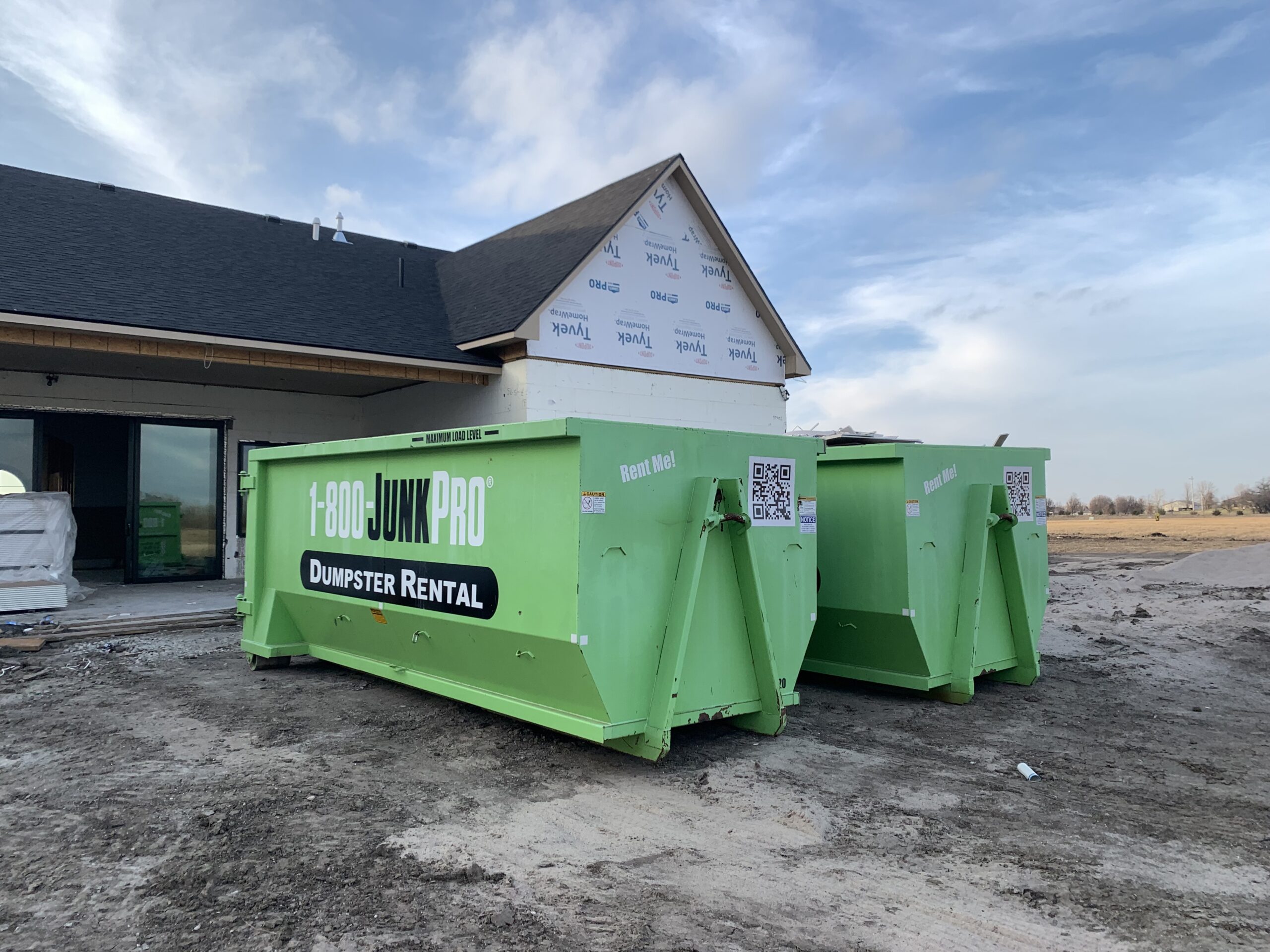
New Construction Builds and Dumpster Rental: Solving the Top 5 Contractor Pain Points

New construction projects operate on tight schedules, coordinated trades, and strict budgets. When debris management is inconsistent, the entire workflow suffers.

Dumpster rental is not just a convenience for new builds. It is a foundational part of jobsite planning. When handled properly, it keeps crews productive, protects timelines, and supports compliance.

Below are the top five pain points contractors face in new construction projects and how industry best practices in dumpster rental address them.

1. Late Delivery or Missed Pickup

Timing is everything in new construction. If a dumpster does not arrive when scheduled, demolition and framing may stall. If pickup is delayed, debris piles up and interferes with progress.

Best practice:
Schedule delivery and removal around construction phases, not just calendar dates. Align container swaps with framing completion, roofing phases, or interior rough-ins to avoid bottlenecks.

Reliable scheduling keeps trades moving without interruption.

2. Overweight Charges from Heavy Materials

Concrete, brick, roofing shingles, and other dense materials can quickly exceed weight limits. A container may look half full but still be overweight.

Best practice:
Separate heavy inert materials into dedicated dumpsters. Proper material segregation protects against overweight penalties and keeps disposal predictable.

Planning by material type, not just volume, prevents costly surprises.

3. Cluttered and Unsafe Jobsites

Mixed debris scattered around a build site creates trip hazards and slows productivity. Crews lose time navigating around waste.

Best practice:
Strategic dumpster placement improves workflow. Containers should be positioned to allow easy loading while keeping primary work zones clear. Clean jobsites improve safety and inspection readiness.

An organized waste plan supports an organized build.

4. Phase Changes That Require Container Swaps

New construction builds evolve in stages. What works during framing may not work during finish work.

Best practice:
Plan for phased container adjustments. Contractors often require larger containers early in construction and smaller or more specialized containers later. Coordinating swaps in advance prevents overflow and downtime.

Anticipating changes keeps debris management aligned with project progression.

5. Sustainability and Environmental Compliance

Commercial builders and developers increasingly prioritize environmental responsibility. Mixed waste can reduce recycling opportunities and impact diversion goals.

Best practice:
Use segregated dumpsters for recyclable materials, such as metal, clean wood, and cardboard, when feasible. Separating materials improves diversion rates and supports environmental benchmarks without slowing the job.

Sustainability and efficiency can work together when waste streams are planned properly.

Planning Dumpster Rental Into the Build Schedule

The most successful new construction projects treat dumpster rental as part of the pre-construction plan. That includes:

  • Identifying expected material types

  • Estimating debris volume per phase

  • Scheduling delivery before crews arrive

  • Coordinating pickups with inspections or milestone completions

When dumpster rental is proactive instead of reactive, projects stay cleaner, safer, and more predictable.

FAQs About Dumpster Rental for New Construction

How many dumpsters does a new construction project typically need?
The number depends on project size and material types. Many builds require different containers during various phases to manage debris efficiently.

Should heavy materials be separated from general construction debris?
Yes. Concrete, brick, and roofing materials often require separate containers due to weight limits and disposal requirements.

How can dumpster rental improve jobsite efficiency?
Strategic placement, scheduled pickups, and proper sizing reduce downtime, prevent clutter, and enable crews to focus on construction rather than waste management.

Final Thoughts

New construction builds demand for precision, coordination, and reliable logistics. Dumpster rental plays a critical role in maintaining clean jobsites, preventing delays, and controlling costs.

When waste management is planned in accordance with industry best practices, contractors gain efficiency, predictability, and a smoother build process from start to finish.

WE DELIVER IT. YOU FILL IT. WE PICK IT UP.®
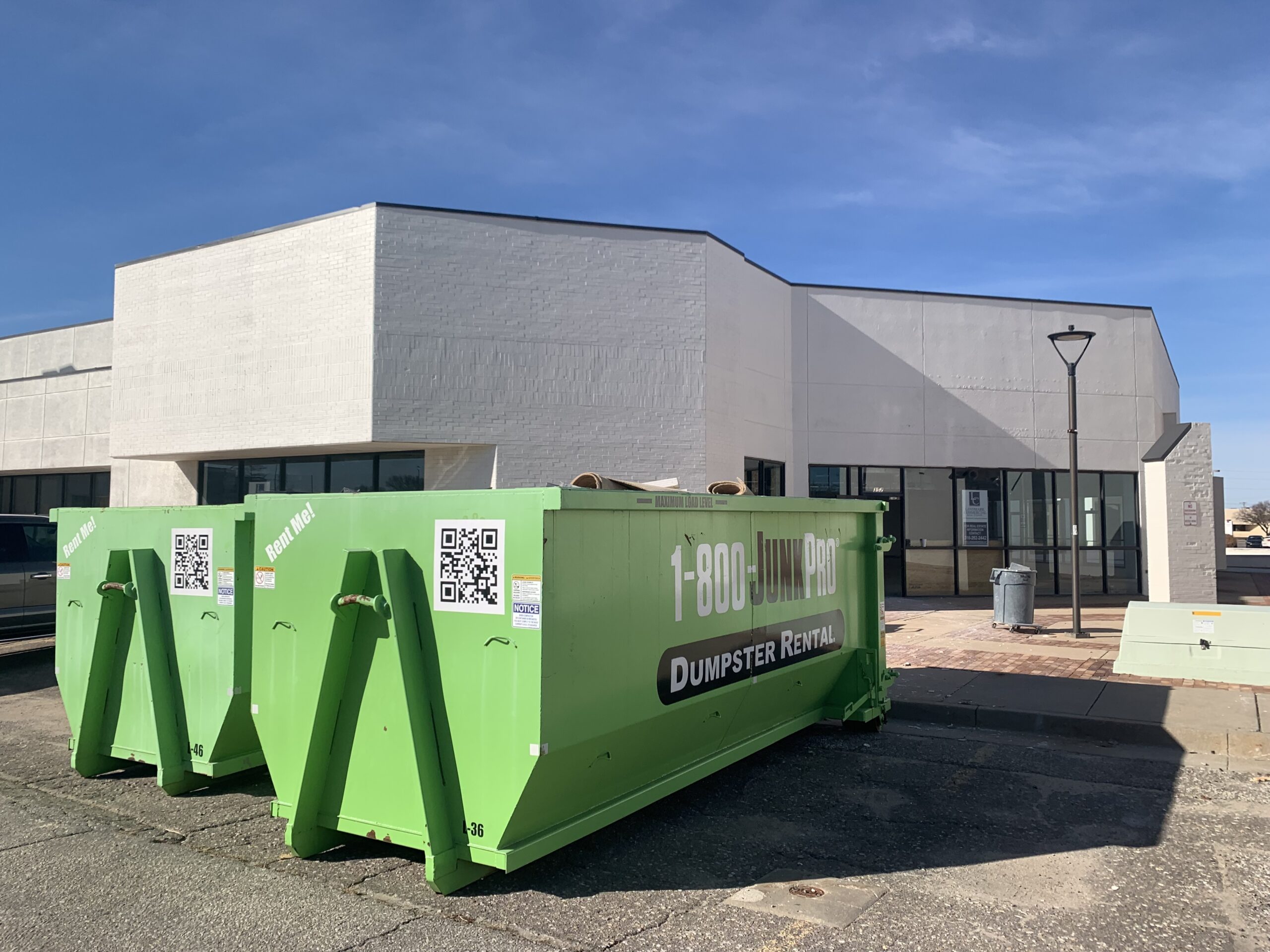
Segregated Waste for Contractors: How Organized Dumpster Rental Improves Efficiency and Environmental Performance

For contractors and commercial project managers, debris isn’t just trash. It’s part of the workflow.

When materials are mixed without a plan, jobsites become cluttered, loads are rejected, weight limits are exceeded, and environmental goals are missed. The result is lost time, added costs, and unnecessary friction.

That’s why segregated waste management, supported by strategic dumpster rental, has become an industry best practice for commercial projects.

The Contractor Pain Point: Mixed Debris Slows Everything Down

Commercial jobs generate multiple waste streams simultaneously. Wood, metal, drywall, packaging, concrete, and general debris often accumulate together.

When those materials are thrown into one container:

  • Heavy debris can exceed weight limits

  • Recyclable materials are lost to landfills

  • Loads may incur contamination fees

  • Crews waste time sorting after the fact

Mixed waste doesn’t just create environmental concerns. It disrupts workflow and adds unnecessary costs to the project.

Why Segregated Waste Is an Industry Best Practice

In commercial construction and renovation, separating materials by type improves both operational efficiency and environmental performance.

Industry standards support:

  • Dedicated containers for heavy inert materials (concrete, brick, asphalt)

  • Separate dumpsters for general construction debris

  • Recycling streams for metal, clean wood, and cardboard when feasible

This approach protects contractors from overweight charges and ensures recyclable materials are properly diverted rather than buried.

Segregation is not about adding complexity. It’s about preventing expensive mistakes.

How Strategic Dumpster Rental Supports Organized Jobsites

Dumpster rental becomes more than debris removal when it’s structured around material types and project phases.

By planning containers intentionally, contractors can:

  • Maintain cleaner, safer jobsites

  • Load materials efficiently without re-sorting

  • Reduce contamination risk

  • Support sustainability initiatives

  • Improve inspection readiness

An organized waste plan reduces friction between trades and keeps work areas accessible throughout the project.

Supporting Environmental Goals Without Slowing the Job

Commercial clients increasingly expect responsible waste handling. Whether driven by corporate sustainability standards, LEED goals, or internal environmental benchmarks, diversion matters.

Segregated dumpster rental allows:

  • Recyclable materials to be processed appropriately

  • Heavy materials to be directed to the proper facilities

  • Waste streams to remain traceable and controlled

This helps contractors demonstrate environmental awareness without sacrificing productivity.

Environmental responsibility and operational efficiency should work together — not compete.

Planning Segregated Waste Into the Project Timeline

The most successful commercial projects plan waste management from day one.

That includes:

  • Identifying material types during pre-construction

  • Determining when container swaps may be needed

  • Aligning pickup schedules with demolition or phase completion

When waste removal is coordinated with project milestones, crews stay focused on building instead of managing debris.

FAQs About Segregated Dumpster Rental for Contractors

Why should contractors separate materials rather than use a single dumpster?
Separating materials reduces contamination risk, prevents overweight charges, and allows recyclable materials to be diverted properly.

Do heavy materials require a dedicated container?
In most cases, yes. Concrete, brick, and asphalt are significantly heavier than typical debris and can exceed weight limits when combined.

How does segregated waste improve project organization?
Designated containers keep materials controlled and contained, reducing clutter and improving workflow efficiency across trades.

Final Thoughts

For contractors and commercial clients, segregated waste isn’t just about disposal. It’s about running a cleaner, more efficient, and more environmentally responsible jobsite.

When dumpster rental is structured around material types and project phases, debris management becomes predictable, organized, and aligned with modern commercial standards.

WE DELIVER IT. YOU FILL IT. WE PICK IT UP.®
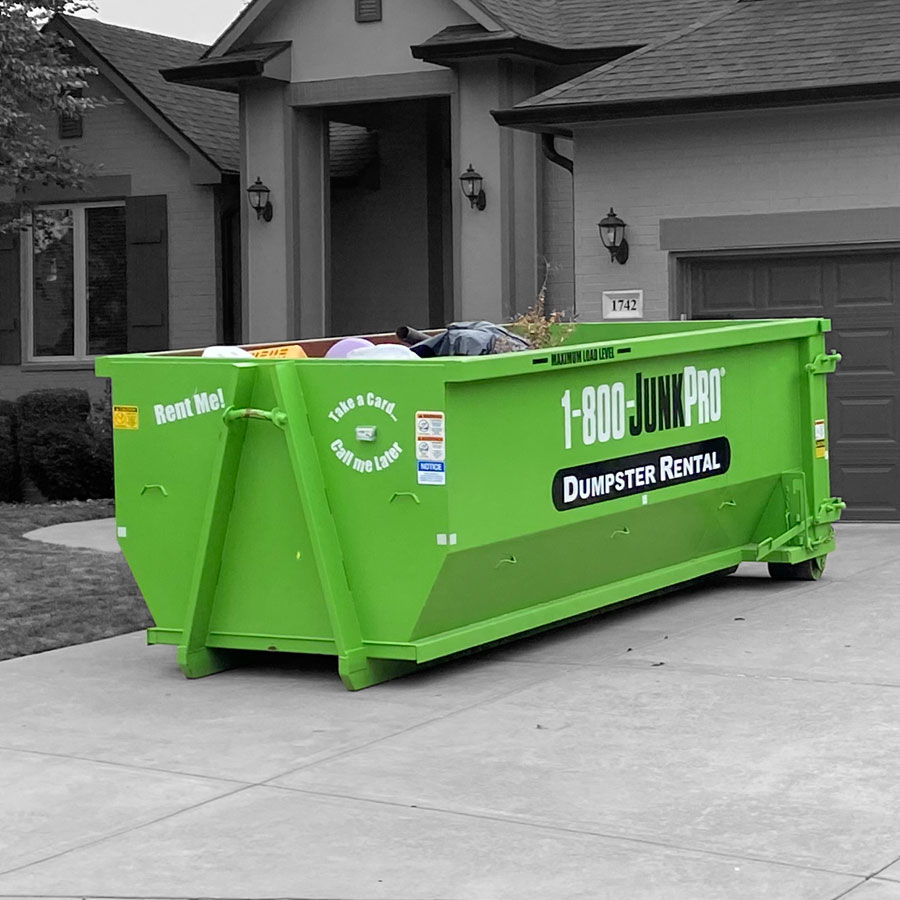
The #1 Contractor Pain Point: Dumpsters That Don’t Show Up on Time

For contractors, timing is everything. Crews, materials, inspections, and subcontractors are all scheduled in advance. When a dumpster isn’t delivered or picked up as promised, the entire job can grind to a halt.

Late deliveries delay the start of work. Missed pickups create overflow, safety issues, and compliance concerns. Even a single disruption can throw off timelines, increase labor costs, and frustrate clients. This is why reliability—not price or size—is the biggest concern contractors have when renting dumpsters.

Dumpster rental becomes the solution only when it’s dependable.

Why Delays Create Bigger Problems on the Jobsite

When dumpsters don’t arrive or leave on schedule, the impact goes far beyond inconvenience. Work slows or stops entirely while crews wait for space to clear debris.

Common consequences include:

  • Crews standing idle with no place to dispose of materials

  • Debris piling up and creating safety hazards

  • Failed inspections due to cluttered jobsites

  • Lost productivity and extended project timelines

Contractors can’t afford to adjust their workflows to accommodate unreliable service. They need waste removal to keep pace with the job.

How Dumpster Rental Solves the Timing Problem

A reliable dumpster rental service removes uncertainty from debris management. When delivery and pickup are scheduled, contractors can plan work phases with confidence.

With dependable dumpster rental, contractors gain:

  • On-time delivery when the project starts

  • Predictable pickup aligned with job milestones

  • Consistent debris containment throughout the project

  • Fewer interruptions to crews and subcontractors

When dumpsters arrive and depart as expected, cleanup supports the job rather than disrupting it.

Why Contractors Prioritize Reliability Over Everything Else

Contractors don’t just rent dumpsters for convenience. They rely on them as part of their operational workflow. Missed service affects deadlines, budgets, and professional reputation.

A dependable dumpster rental partner allows contractors to:

  • Schedule crews without buffer days

  • Maintain clean, inspection-ready sites

  • Avoid emergency cleanup solutions

  • Deliver projects on time and on budget

Reliability turns dumpster rental from a risk into a tool that supports consistent progress.

Planning Dumpster Rental Around the Project Timeline

Successful contractors plan dumpster rental the same way they plan materials and labor. Scheduling delivery and pickup by project phase ensures debris never becomes a bottleneck.

Clear communication about timelines, debris volume, and access helps keep dumpster rental aligned with the job’s pace. When waste management is predictable, the entire project runs more smoothly.

FAQs About Dumpster Rental for Contractors

How far in advance should dumpsters be scheduled for my project?
Scheduling at least a few weeks in advance helps ensure availability and allows delivery to align with the project start date. Advance scheduling reduces the risk of delays and keeps crews working on time.

Can dumpster pickup be coordinated with project phases or milestones?
Yes. Pickup can be scheduled around key phases of the project, such as demolition completion or material changeovers, helping keep the jobsite clear and work moving forward.

What happens if my project timeline changes?
Reliable dumpster rental providers can adjust delivery or pickup schedules when timelines shift. Clear communication helps ensure dumpsters are serviced when needed without disrupting the job.

Final Thoughts

For contractors, the biggest frustration isn’t debris itself. It’s dumpsters that don’t arrive or leave when they’re supposed to. Reliable dumpster rental solves that problem by keeping delivery and pickup aligned with the job schedule.

When timing is handled correctly, contractors stay productive, jobsites stay clear, and projects move forward without unnecessary delays.

WE DELIVER IT. YOU FILL IT. WE PICK IT UP.®
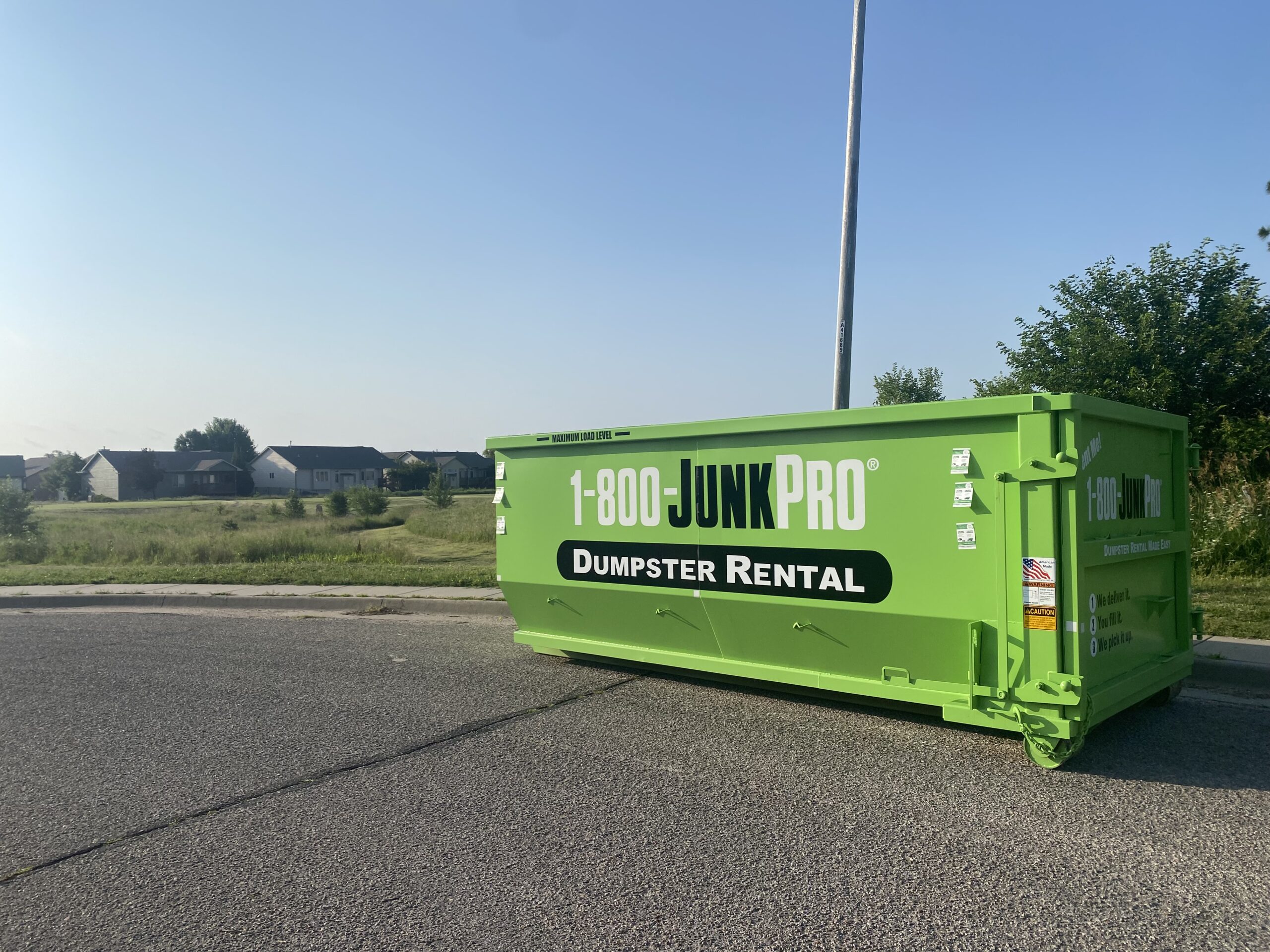
How to Choose the Right Dumpster Rental for Your Project

1-800-JunkPro Residential Dumpster Rental

Choosing the right dumpster rental can make or break a project timeline. When a container is too small, overflow becomes a problem. When it’s too large, you may pay for unused space.

Dumpster rental works best when it’s planned around the type of project, not just the amount of debris. Cleanouts, renovations, and commercial projects all generate waste differently. Understanding those differences helps avoid delays, added costs, and unnecessary complications.

Why Dumpster Rental Is a Practical Cleanup Solution

Dumpster rental provides a centralized, controlled way to manage debris. Instead of multiple trips to a disposal site, materials stay contained and accessible where the work is happening.

This approach keeps projects organized and safer. It also helps maintain efficiency by reducing downtime caused by scattered debris or full containers. For both residential and commercial projects, having a dedicated dumpster on-site simplifies cleanup from start to finish.

Projects That Commonly Use Dumpster Rental

Different projects create different waste patterns. Identifying the scope of the work helps determine the right dumpster setup.

Residential projects often include:

  • Garage and basement cleanouts

  • Home remodeling and renovations

  • Roofing or exterior updates

  • Moving, downsizing, or estate-related cleanouts

Commercial and property-related projects may involve:

  • Office cleanouts and renovations

  • Retail or restaurant updates

  • Apartment turnovers and property maintenance

  • Storage cleanouts and inventory disposal

Each of these projects benefits from having debris contained in one designated location.

Understanding Dumpster Sizes and Capacity

Dumpster size selection plays a major role in keeping a project on track. Capacity depends on more than volume. Weight, material type, and how debris is loaded all factor into the decision.

Smaller dumpsters are well suited for limited cleanouts or single-area projects. Medium-sized dumpsters work well for renovation debris and moderate cleanup needs. Larger dumpsters are typically used for major projects that generate bulky or heavy materials over an extended period.

Choosing the correct size upfront helps prevent overloading and avoids the need for unexpected container swaps.

Placement and Access Planning

Proper placement allows a dumpster to be used safely and efficiently. Driveways, parking areas, and designated work zones are common placement locations. Clear access makes loading easier and helps keep surrounding areas free of obstruction.

Planning placement ahead of time also reduces the risk of delays during delivery or pickup. A clear, level surface and sufficient clearance ensure the container can be used as intended throughout the rental period.

Preparing for a Smooth Dumpster Rental Experience

A successful rental starts with clear planning. Estimating debris type, project duration, and available space allows the rental provider to recommend an appropriate container and schedule.

Loading strategy also matters. Evenly distributing materials and avoiding restricted items helps prevent issues at pickup. With proper preparation, dumpster rental becomes a seamless part of the project rather than an afterthought.

FAQs About Dumpster Rental

What materials are typically allowed in a rental dumpster?
Most household debris, renovation materials, and general waste are accepted. Certain items may be restricted, so disposal guidelines should be reviewed before loading.

How long does a typical dumpster rental last?
Rental periods vary based on project needs. Some projects require only a few days, while others may need a longer rental depending on scope and scheduling.

Is someone required to be onsite for delivery or pickup?
In many cases, no. As long as placement instructions are clear and access is available, delivery and pickup can often be completed without supervision.

Final Thoughts

Dumpster rental doesn’t have to be complicated. With the right container, proper placement, and clear planning, cleanup stays efficient and predictable from start to finish. A straightforward rental process helps keep projects moving without unnecessary delays or disruptions.

WE DELIVER IT. YOU FILL IT. WE PICK IT UP.®
How Dumpster Rentals Simplify HOA Property Maintenance and Community Cleanups

Keeping a community clean requires planning.
It also requires consistency.

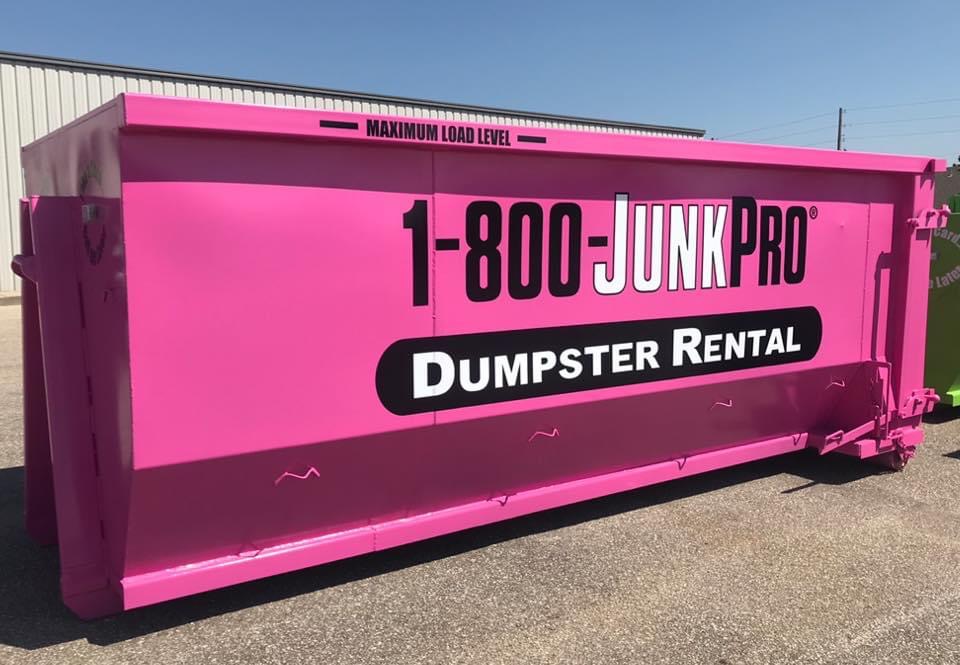
Homeowners’ associations manage ongoing maintenance, seasonal projects, and large-scale cleanups. Each of these generates debris.

When disposal is not planned, small problems become big delays.

This is one of the most common challenges we see in HOA property maintenance projects.


Why HOA Projects Generate More Waste Than Expected

Many HOA boards underestimate how quickly debris accumulates.

It often comes from:

  • Landscaping refreshes
  • Common-area cleanouts
  • Clubhouse updates
  • Pool area projects
  • Fence repairs
  • Playground replacements
  • Seasonal community cleanups

Even routine projects can generate large volumes of debris.

Without a clear disposal plan, clutter spreads across the property.


What Happens When There Is No Central Disposal Plan

When debris has nowhere consistent to go:

  • Maintenance teams create temporary piles
  • Volunteers make repeated trips for hauling
  • Walkways become blocked
  • Trash bins at nearby businesses overflow

In our experience, this usually leads to:

  • Slower project completion
  • Resident frustration
  • Safety concerns

Disposal gaps slow everything down.


How Dumpster Rentals Support HOA Maintenance

Dumpster rentals provide an on-site disposal solution that stays available throughout your project.

This allows:

  • Crews to dispose of debris as work happens
  • Volunteers to drop materials in one location
  • Common areas to stay cleaner
  • Projects to move forward without interruption

Instead of staging piles, debris is contained.

This creates a more organized worksite.


How Dumpster Rentals Support Community Cleanups

Community cleanup days generate steady streams of waste.

Dumpster rentals help by:

  • Providing a visible drop-off point
  • Reducing illegal dumping around the neighborhood
  • Preventing curbside pileups
  • Simplifying final removal

Residents know exactly where to bring unwanted items.

Cleanup becomes faster and more coordinated.


Common HOA Projects That Benefit From Dumpsters

We often see dumpster rentals used for:

  • Seasonal cleanups
  • Property refreshes
  • Exterior repairs
  • Amenity upgrades
  • Resident bulk drop-off events
  • Storm-related debris cleanup

Any project involving multiple contributors benefits from centralized disposal.


A Simple Planning Rule

If more than one crew or group is generating debris, a dumpster rental should be part of the plan.

Waiting until piles appear usually creates avoidable delays.


Frequently Asked Questions

How long should an HOA keep a dumpster?
Most HOAs schedule dumpsters for the duration of the project or event.

What size dumpster is needed?
Size depends on project scope and debris type.

Can dumpsters be placed in parking lots or common areas?
Yes. Placement is planned based on access, safety, and traffic flow.


Need help keeping your project on track?
If clutter or debris is slowing progress, professional support can help.
📞 Call 1-800-586-5776 or book online when you’re ready.


WE DELIVER IT. YOU FILL IT. WE PICK IT UP.®
From Setup to Teardown: How Event Dumpsters Keep Venues Running Smoothly

Planning an event is exciting.
Managing what is left behind is often overlooked.

Whether it is a community festival, school function, corporate gathering, or private celebration, every event generates debris. It starts during setup, continues throughout the day, and peaks during teardown.

When there is no clear disposal plan, cleanup quickly becomes disorganized.

This is one of the most common problems we see in event-related projects.


Why Events Generate More Waste Than Expected

Many organizers underestimate how quickly waste accumulates.

It often comes from:

  • Packaging for equipment and décor
  • Cardboard from vendor deliveries
  • Food-service containers
  • Disposable tableware
  • Broken or worn decorations
  • Pallets, shrink wrap, and boxes
  • General attendee trash

Even modest-sized events can generate large volumes of debris.

Without a system, clutter spreads and slows everything down.


What Happens When There Is No Central Disposal Point

When debris has nowhere consistent to go:

  • Trash piles up behind tents or buildings

  • Volunteers make repeated long trips

  • Bags tear during transport

  • Walkways become cluttered

In our experience, this usually leads to delays, frustration, and longer teardown times.


How Dumpster Rentals Support Events

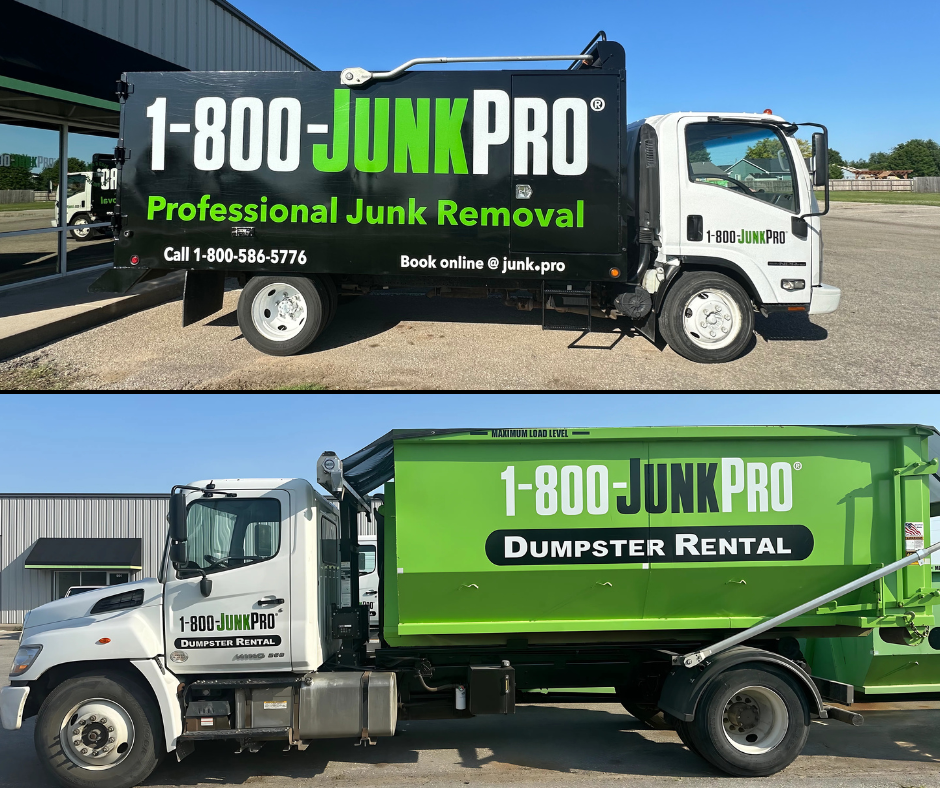
Dumpster rentals provide an on-site disposal solution that remains available throughout your event.

This supports:

  • Set up crews to open shipments
  • Vendors restocking supplies
  • Staff clearing waste during the event
  • Teardown teams breaking down décor and materials

Instead of staging piles, debris can be removed immediately.

This keeps work areas safer, cleaner, and more organized.

Many organizers schedule dumpsters for:

  • Setup day
  • Event day
  • Teardown day

This creates continuity from start to finish.

Learn more about our dumpster rental options here.


Common Events That Benefit From Event Dumpster Rentals

We often see event dumpsters used for:

  • Festivals and fairs
  • Concerts
  • Sports events
  • School functions
  • Fundraisers
  • Corporate events
  • Community celebrations
  • Large private gatherings

Any event with vendors, staging, food, or décor will generate more waste than expected.


A Simple Planning Rule

If your event includes:

  • Multiple vendors
  • Equipment deliveries
  • Food service
  • Set up and teardown crews

You should plan a dumpster rental in advance.

Waiting until debris piles up usually causes delays.


Frequently Asked Questions

How long should we keep a dumpster?
Most events schedule dumpsters for setup, event day, and teardown.

What size dumpster is needed?
Size depends on event scale, vendor count, and waste type.

Can dumpsters be placed at venues with limited space?
Yes. Placement is planned based on access, safety, and traffic flow.


Need help keeping your project on track?
If clutter or debris is slowing progress, professional support can help.
📞 Call 1-800-586-5776 or book online when you’re ready.

WE DELIVER IT. YOU FILL IT. WE PICK IT UP.®
How to Clear Clutter and Debris the Right Way: Choosing the Approach That Fits Your Project

The Real Problem Isn’t the Mess — It’s What Comes Next

Clutter and debris accumulate in everyday life. Moves. Renovations. Cleanouts. Repairs. Storage overflow. Business updates. Construction projects.

At first, the mess feels temporary. Then it spreads. Walkways shrink. Storage stops working. Projects slow down. Stress increases.

Most people don’t struggle because they lack motivation. They struggle because they don’t know the best way to handle what needs to leave.

That’s where choosing the right approach matters.


Two Proven Ways People Clear Space Successfully

Every cleanup has the same goal: to remove what no longer belongs and restore order. People usually reach that goal in one of two ways, based on how they want the work handled.

Some want hands-on help.
Others want flexibility and time.

Both approaches work. The key is matching the solution to the situation.

That’s why professional junk removal and roll-off dumpster rental exist—not as competing services, but as different tools for the same problem.


When Hands-On Help Makes the Most Sense

Junk removal is ideal when items need to be removed quickly or safely. Many people choose this option when lifting feels overwhelming or time is limited.

This approach works well for:

  • Furniture removal

  • Room and garage cleanouts

  • Basement or attic clutter

  • Downsizing or moving

  • Estate transitions

  • Bulky household items

With hands-on removal, a professional team handles the lifting, loading, and hauling. There’s no need to organize first. Items leave all at once.

The focus is speed, safety, and simplicity.


When On-Site Flexibility Works Better

Dumpster rental is ideal when cleanup happens over time. This option gives people space to sort, load, and work at their own pace.

It’s commonly used for:

  • Renovations and remodels

  • Flooring or cabinet removal

  • Construction and contractor projects

  • Large cleanouts

  • Multi-day or multi-room work

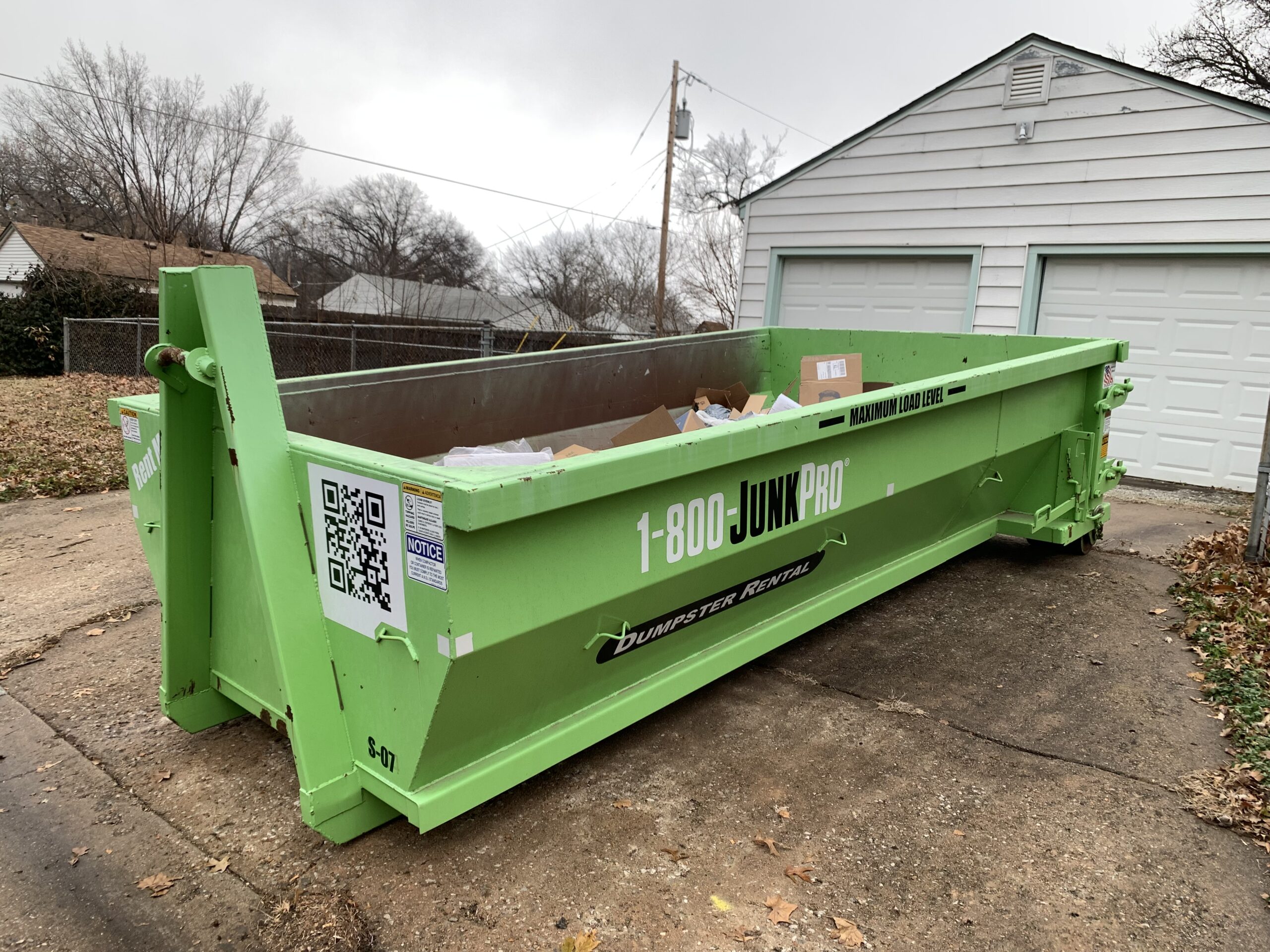
A roll-off dumpster provides one clear place for debris. Items don’t get moved from room to room. Cleanup stays organized from start to finish.

The focus here is control and flexibility.


Why Offering Both Options Matters to Customers

Projects rarely follow a straight line. A cleanout can turn into a renovation. A remodel can uncover items that need immediate removal. Plans change once work begins.

Having access to both solutions eliminates guesswork.

Customers don’t have to force a project into the wrong option. They can choose what fits now and adjust as needs change. That flexibility reduces stress and keeps projects moving.

This is why many homeowners, businesses, and contractors prefer working with one provider that offers both services.


How to Decide Which Approach Fits Your Situation

If you’re unsure where to start, these questions help:

  • Do you want everything gone today? → Junk removal

  • Do you want time to work at your own pace? → Dumpster rental

  • Are items heavy or bulky? → Hands-on help → Junk removal

  • Will debris build over several days? → On-site container → Dumpster rental

  • Is clutter slowing progress? → Removal is needed

There’s no wrong choice. The right option depends on how you want the work done.


Why Professional Support Makes Cleanup Easier

Many DIY cleanouts stall because of logistics, not effort. Heavy lifting, vehicle limitations, disposal rules, and time constraints slow progress.

Professional junk removal and dumpster rental remove these barriers. Cleanup becomes predictable. Projects stay safer. Momentum stays intact.

When debris is handled correctly, everything else feels easier.


What Changes After Clutter and Debris Are Gone

Once items are completely gone, the difference is noticeable.

People often say:

  • Rooms feel larger

  • Storage works again

  • Cleaning takes less time

  • Stress levels drop

  • Projects stay finished

  • Spaces feel calm and usable

Removing clutter creates a true reset. Organizing alone cannot do that.


Frequently Asked Questions

Q: Do I need to prepare or organize before junk removal?
No. Preparation is not required.

Q: How long can I keep a dumpster?
Most rentals range from 1 to 30 days.

Q: Can both services handle residential, commercial, and construction needs?
Yes. Both options support homes, businesses, and job sites.

Q: What if I’m not sure which option I need?
A quick conversation helps determine the best fit based on your project.


Final Thought: The Right Solution Is the One That Fits Your Project

Clearing clutter isn’t about choosing the “better” service. It’s about choosing the right approach for your situation.

Whether you need hands-on junk removal or the flexibility of a roll-off dumpster, the goal is the same: restore space, reduce stress, and keep projects moving forward.

When clutter stops circulating and debris has a clear destination, progress becomes easier.


Ready to Take the Next Step?

If clutter or debris is slowing your project, professional support can help you move forward with confidence.

📞 Call 1-800-586-5776 or book online when you’re ready.

Junk Removal: WE’RE ON-TIME. WE LOAD IT. WE HAUL IT AWAY.®
Dumpster Rental: WE DELIVER IT. YOU FILL IT. WE PICK IT UP.®

The Hidden Reason Cleanup Slows Projects (And How a Dumpster Fixes It)

Why Projects Feel Slower Than Planned

Most projects start with excitement and momentum. Materials arrive. Work begins. Progress feels steady. Then, the cleanup becomes a problem. Debris has nowhere to go, so it piles up.

Trash cans overflow. Bags tear. Materials block walkways. Instead of working, people start managing a mess.

That’s usually when progress slows.


Cleanup Is Often the Real Bottleneck

Many delays have nothing to do with the work itself. They happen because debris builds faster than expected. When waste spreads, projects become harder to manage.

We often see this when:

  • Debris gets moved multiple times

  • Work areas shrink

  • Tools become harder to access

  • Safety concerns increase

  • Dump runs interrupt the day

At that point, cleanup controls the timeline.


How a Dumpster Removes the Bottleneck

A roll-off dumpster provides a clear destination for debris from the start. Instead of stacking waste inside or outside, everything goes directly into one container.

This helps because:

  • Cleanup happens continuously

  • Workspaces stay open

  • Safety improves

  • Time is used more efficiently

  • Momentum stays intact

When cleanup stays under control, projects move faster.


Projects That Benefit the Most

Dumpsters help in many situations:

  • Home renovations

  • Storage cleanouts

  • Flooring and cabinet removal

  • Business updates

  • Contractor job sites

Even smaller projects benefit when debris stays contained.


Why Planning Cleanup Early Matters

The smoothest projects plan cleanup before work begins. When debris removal is handled upfront, everything else feels easier.

Waiting too long often leads to frustration and delays. Planning early avoids both.


When a Dumpster Is the Right Move

A dumpster becomes the smart choice when:

  • Trash bins fill up in a day

  • Debris blocks progress

  • Dump trips become frequent

  • Safety feels compromised

  • The mess starts slowing work

At that point, professional support saves time and stress.


FAQs

Q: Can dumpsters handle renovation debris?
Yes. Flooring, drywall, cabinets, and wood are accepted.

Q: How long can a dumpster stay on-site?
Most rentals range from 1 to 30 days.

Q: Is a dumpster useful for smaller projects?
Yes. Even small projects create bulky waste.


Ready to Keep Your Project Moving?

If cleanup is slowing progress or taking over your space, it’s usually time for a better solution.

📞 Call 1-800-586-5776 or book online when you’re ready.

WE DELIVER IT. YOU FILL IT. WE PICK IT UP.®

1-800-JunkPro Logo

1-800-586-5776

Give us a call at the number above for more details!