
Not every home project gets finished in one weekend.
You might spend Saturday removing old cabinets, then wait until the following week to tackle the flooring. The next phase depends on when materials arrive, when a contractor is available, or simply when you have time to work.
Meanwhile, the debris doesn’t disappear between workdays.
Old materials collect in corners. Packaging starts stacking up. Before long, you’re spending part of every work session moving things out of the way just to get started again.
At 1-800-JUNKPRO®, we’ve seen why having a plan for debris matters throughout a project, not just when demolition begins.
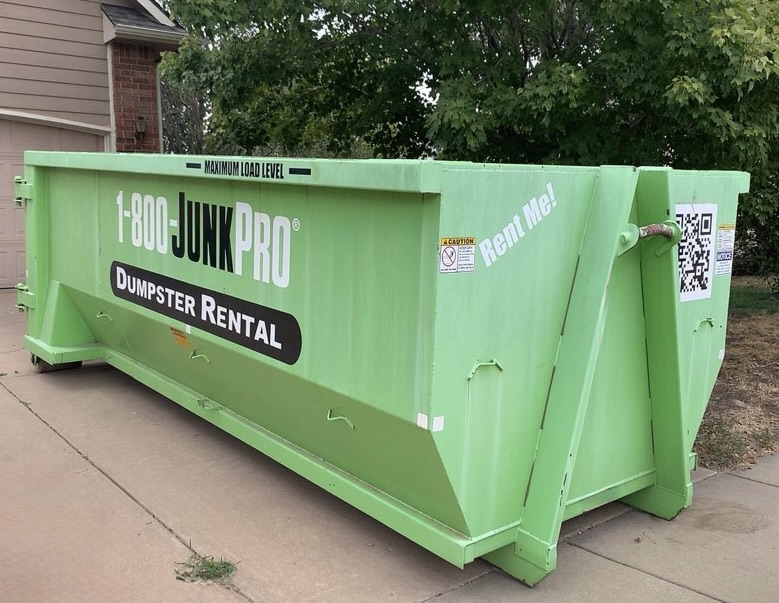
A residential dumpster rental gives homeowners a designated place to load accepted project debris as work progresses. But using that dumpster well starts with understanding how the project will unfold.
Every Phase Creates a Different Kind of Mess
Think about remodeling a kitchen.
The first stage might involve removing cabinets, countertops, and old fixtures. Next comes flooring, drywall repairs, and other preparation work.
Later, new cabinets, appliances, and materials arrive. Even after the major demolition is finished, you’re still dealing with cardboard, packaging, scraps, and leftover materials.
The amount and type of debris change from one stage to the next.
That’s easy to overlook when you’re planning a project. Most people picture the big demolition day, not the smaller messes that follow.
Before work begins, write down the project’s main phases and what each one will leave behind.
You don’t need a complicated schedule. A simple outline helps you see when debris will accumulate and when you’ll need the dumpster most.
It also gives you useful information to share with your local 1-800-JUNKPRO® when discussing your rental.
Keep Cleanup Part of the Work, Not Something You Do Later
Here’s something that can make a project frustrating: finishing one phase of work but leaving all the debris for another day.
When you return, you’re not starting the next phase. You’re cleaning up the last one.
That might mean moving broken materials out of a hallway, clearing scraps from a workbench, or shifting discarded flooring so there’s room to continue.
A better habit is to finish each work session by dealing with the debris you’ve created.
Load accepted materials into the dumpster as the project progresses rather than repeatedly moving them between temporary piles.
Keep usable supplies and materials separate from waste. You don’t want to accidentally throw away something you’ll need for the next phase.
Leave a clear work area for the next time you return.
These small habits can make a noticeable difference when a project stretches across multiple weekends.
Plan for the Work That Happens Between Major Phases
Demolition usually gets the most attention because it creates an obvious pile of debris.
But some of the messiest moments happen between the bigger tasks.
Removing old trim before painting. Pulling damaged material from behind a cabinet. Cutting replacement flooring. Unpacking new fixtures. Clearing out leftover construction supplies.
None of those jobs may seem significant by itself.
Together, they can create a surprising amount of waste.
That’s why it’s worth thinking about the entire project instead of treating the dumpster as something you’ll use only during demolition.
You may also discover that certain materials need special handling or aren’t accepted in the container. Ask your local provider about restrictions before loading questionable items.
From the Field: Residential Dumpster Rental in Austin, Texas
Home improvement projects around Austin can involve anything from replacing flooring to remodeling kitchens, updating bathrooms, or working through a larger property renovation.
Our 1-800-JUNKPRO® Austin location provides residential dumpster rental for homeowners who need an on-site place for accepted debris while their projects are underway.
One practical consideration with a project completed in stages is how the work area changes over time.
At the beginning, the homeowner may be removing old materials. A week later, new supplies and equipment may occupy that same space. As work continues, the path between the project and the dumpster can change.
Thinking about that path early helps homeowners plan where the dumpster will be most useful.
Austin’s driveway-friendly dumpster options also feature rear doors that let customers bring materials into the container while keeping the entrance accessible.
For projects that span several work sessions, that feature can be especially useful when loading bulky renovation materials.
The important lesson isn’t that every home project needs the same rental arrangement.
It’s that the dumpster should fit the way the homeowner plans to work.
A project completed in stages needs a cleanup plan that works in stages, too.
Don’t Let One Phase Create Problems for the Next
A little attention to the transition between work sessions can keep debris from becoming an ongoing distraction.
Before finishing for the day, take a look around the work area.
Have you left discarded materials where the next phase needs to happen? Can scraps or packaging go into the dumpster now? Are usable materials clearly separated from what you’re throwing away?
Also consider what happens next.
If you’re about to remove larger materials, think about preserving practical loading access rather than filling the dumpster entrance with loose debris.
Keep the container within its loading and weight requirements. Materials shouldn’t extend above the permitted fill level, and heavy debris may need special consideration.
If the project changes or begins producing different materials than expected, contact your local 1-800-JUNKPRO® before loading anything you’re unsure about.
The goal is to make cleanup part of the project routine rather than a separate job waiting at the end.
When the Project Changes, Update the Cleanup Plan
Home projects have a way of changing once work begins.
You might uncover damaged materials that need replacement. A contractor could recommend additional work. Something you planned to keep may turn out to be unusable.
Those changes can affect how much debris you produce, what materials need to leave, and how long the work takes.
If the scope changes significantly, review your remaining dumpster capacity and rental arrangements.
It’s also worth communicating changes early rather than waiting until the dumpster is full or the scheduled pickup approaches.
Your local provider can explain available service options and help coordinate the next step based on local availability and rental terms.
A Cleaner Work Area Makes It Easier to Pick Up Where You Left Off
One of the challenges of a project completed over several days or weekends is remembering exactly where you stopped.
Tools get moved. Materials arrive. Work areas change.
When leftover debris is still scattered throughout the space, it’s harder to see what’s finished and what still needs attention.
Keeping up with cleanup won’t eliminate project delays or unexpected repairs. But it can make the next work session easier to start.
That’s the value of treating debris removal as part of the work rather than the final chore.
At 1-800-JUNKPRO®, we deliver the dumpster, you load it during your rental period, and we return to pick it up.
For projects completed in stages, the most useful approach is often simple:
Finish the work you planned for the day. Handle the debris it created. Then leave yourself a clear place to begin again.
WE DELIVER IT. YOU FILL IT. WE PICK IT UP.®