
Home projects have a way of growing.
You may start by replacing the flooring in one room, tearing out old kitchen cabinets, cleaning out the garage, or removing an aging deck. Everything seems straightforward until the project gets underway.
Then you discover damaged materials that need to come out, too. Packaging from new products starts accumulating. You uncover things that have been stored for years. Suddenly, the amount of debris looks very different from what you pictured before the project began.
We’ve seen this happen many times. Homeowners don’t necessarily plan poorly. It’s simply difficult to see everything a project will generate until the work actually starts.
Fortunately, planning for a little uncertainty can make the entire cleanup easier.
Why Home Projects Often Create More Debris Than Expected
Most people estimate debris based on the main project.
Replacing flooring? They picture the old flooring.
Remodeling a kitchen? They think about cabinets and countertops.
Cleaning out a garage? They remember the obvious furniture, boxes, and equipment.
However, projects often create additional debris along the way.
For example, a remodeling project may also generate trim, underlayment, damaged materials, cardboard, protective packaging, scraps, and other materials that weren’t obvious at the beginning.
Individually, those items may not seem significant. Together, they can add up quickly.
You May Discover More Once You Start
One thing we’ve learned from home projects is that you don’t always know what’s there until you begin.
A garage is a perfect example.
The visible items may seem manageable. However, once homeowners start moving boxes and clearing shelving, they often discover forgotten materials behind or underneath everything else.
Renovations can create similar surprises. Removing one material sometimes reveals another layer that also needs attention.
That’s why estimating only what you can see doesn’t always tell the whole story.
Packaging Can Become Part of the Cleanup
This is one of the easiest things to overlook.
A home improvement project doesn’t only involve materials leaving your property. New materials are arriving at the same time.
Flooring comes in boxes. Cabinets and fixtures arrive with cardboard and protective materials. Appliances may have large amounts of packaging. Other building materials create scraps and cutoffs during installation.
As a result, debris can continue accumulating even after demolition is finished.
Thinking about both sides of the project—what’s coming out and what’s coming in—creates a more realistic cleanup plan.
From the Field: Projects Rarely Stay Exactly the Same
We’ve seen homeowners begin a project with a very specific list of what they plan to remove.
Then the work starts.
Once they’re already making progress, they decide to remove the old shelving too. A damaged cabinet gets added. The stack of unused materials in the corner finally goes. Then someone remembers what’s stored in the basement.
That’s one reason having a plan for debris throughout the entire project can be so helpful.
The original list isn’t always the final list.
Don’t Let Extra Debris Stop Your Progress
Unexpected debris becomes a bigger problem when there’s nowhere for it to go.
Materials begin collecting in the garage, driveway, yard, or work area. Eventually, you’re spending time moving debris around instead of moving the project forward.
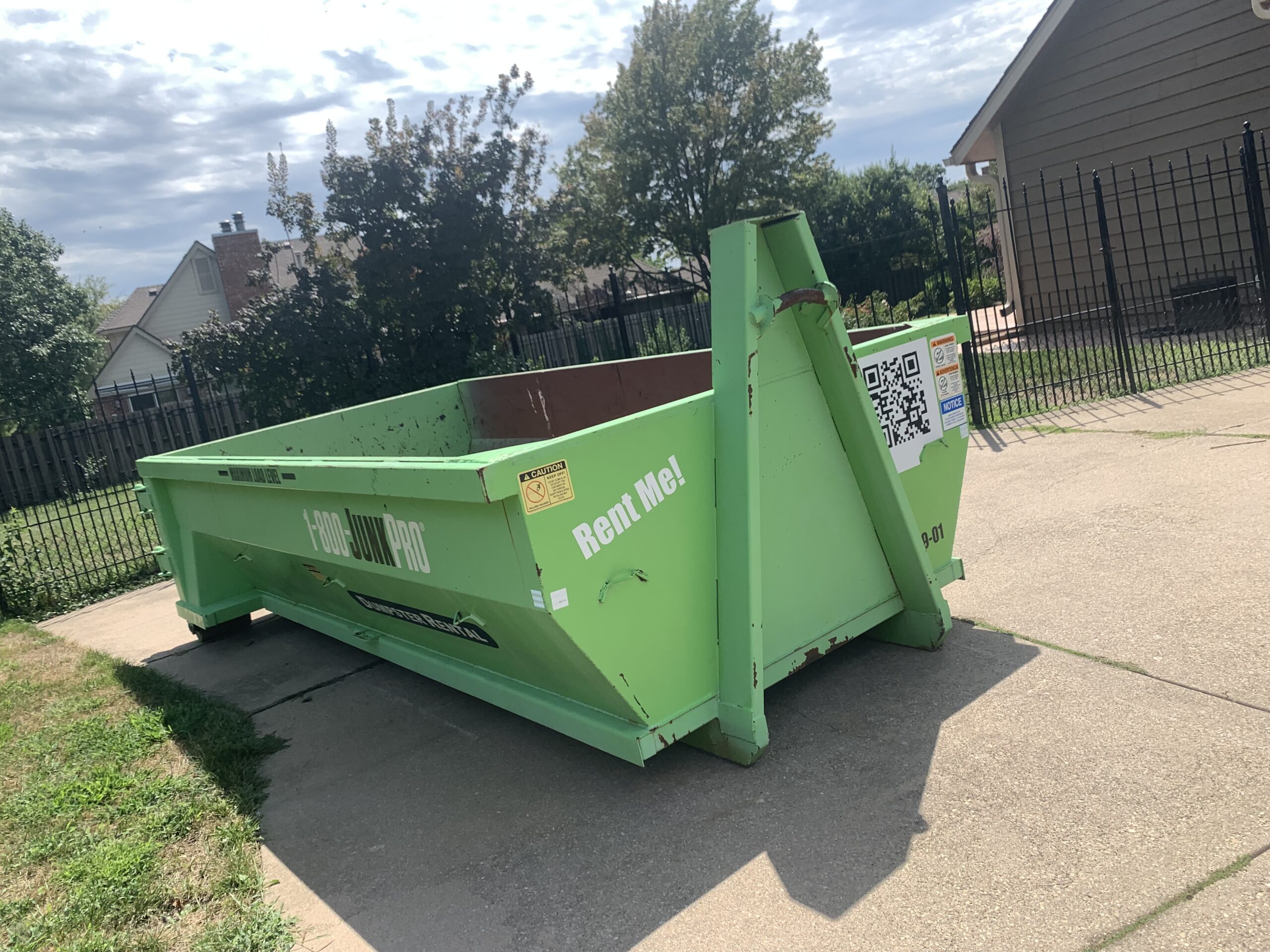
A residential dumpster gives the project a designated place for accepted debris as it is generated.
Instead of creating temporary piles and dealing with them later, you can clean up throughout the project and keep your work area more organized.
Plan for the Entire Project, Not Just Demolition Day
Before your project begins, walk through each stage.
Ask yourself:
What will I remove first?
What additional materials could be uncovered?
What new products will arrive?
How much packaging will they create?
Will I probably tackle another area once I get started?
You don’t need to predict everything perfectly.
The goal is simply to think beyond the most obvious debris so you’re better prepared if the project expands.
Frequently Asked Questions
Why do homeowners underestimate project debris?
People naturally focus on the materials they already know they’ll remove. Once the project begins, additional debris from packaging, scraps, damaged materials, and unexpected items can increase the total amount.
Should I plan extra room for unexpected debris?
It can be helpful to consider materials beyond the project’s primary debris when planning your cleanup. Every project is different, so consider the entire scope of work rather than only what you can see before starting.
When should I plan for a residential dumpster rental?
Ideally, think about debris removal while you’re planning the project itself. Having a cleanup plan before work begins can help keep debris from interfering with your workspace as the project progresses.
What if I’m unsure which dumpster size my project needs?
The type of project, materials involved, and expected debris volume can all affect dumpster size. 1-800-JUNKPRO® can help you determine which available size makes sense for your project.
Conclusion
Home projects don’t always follow the original plan, and that’s part of the process.
A project that looks simple from the beginning can uncover additional materials, create unexpected waste, and even inspire you to tackle another area while you’re already making progress.
Instead of trying to predict every piece of debris, plan for the possibility that your project may grow.
With a cleanup plan in place and a residential dumpster ready for accepted materials, you can keep debris under control and stay focused on making progress.