
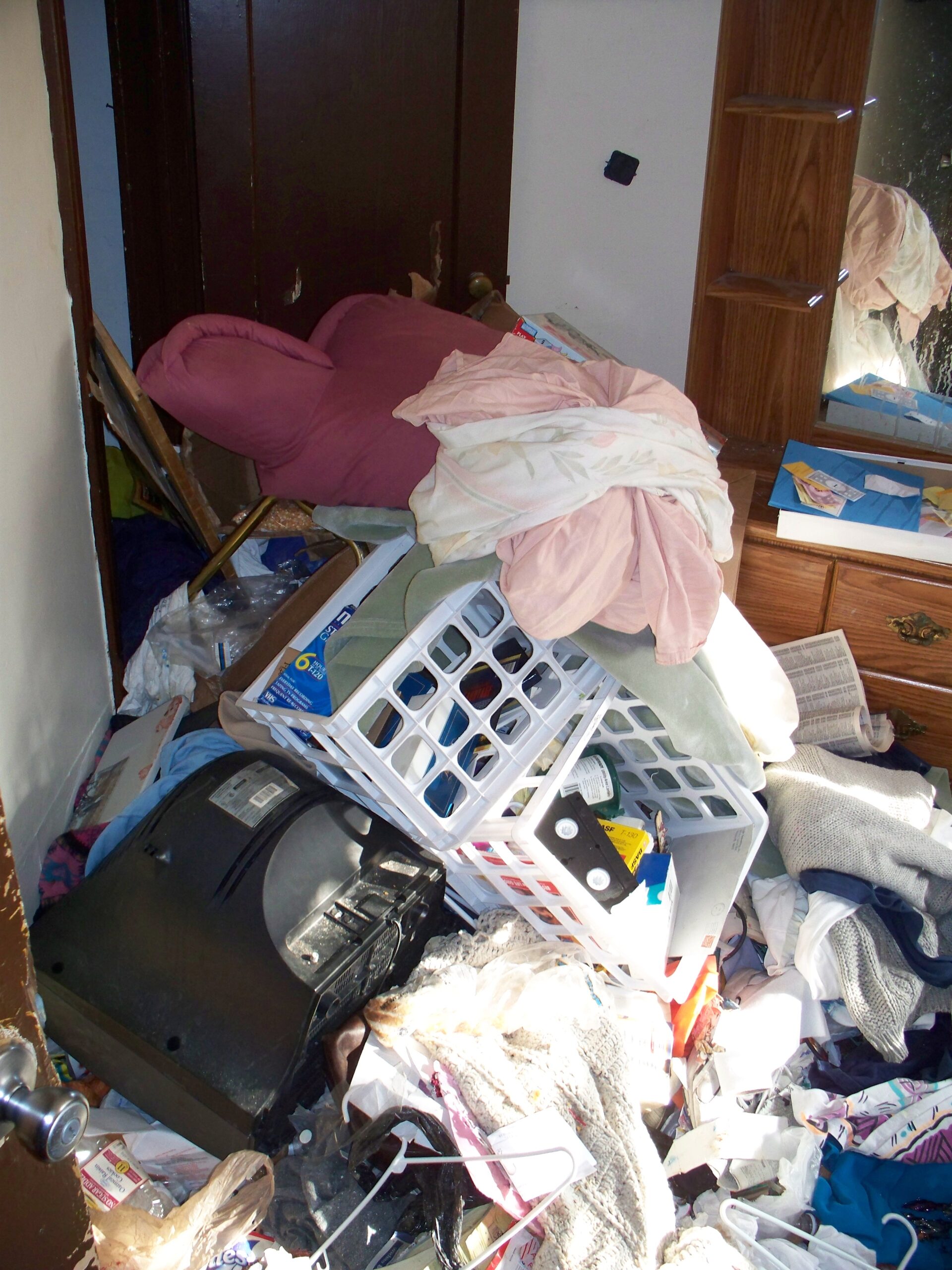
Clutter becomes a problem when it begins affecting the functionality, safety, or comfort of a space. While everyone accumulates belongings over time, excessive clutter can make daily tasks more difficult and reduce usable living or working space.
In simple terms, if clutter is preventing you from using your space the way you intended, it may be time to address it.
Who This Applies To
This information is especially helpful for:
- Homeowners struggling with overflowing storage areas
- Families managing years of accumulated belongings
- Property managers preparing properties for new occupants
- Business owners dealing with crowded workspaces
Why This Matters
Clutter rarely becomes overwhelming overnight. Instead, it tends to build gradually over months or years.
In many cases:
- Storage areas become full
- Unused items begin spreading into living spaces
- Finding important items becomes more difficult
- Cleaning and maintenance take longer
Because of this, recognizing the warning signs early can help prevent a small issue from becoming a larger project.
Step-by-Step: Identifying Clutter Problems
- Evaluate Your Available Space
Start by looking at how much usable space remains. Areas originally intended for parking, storage, or work should still serve their intended purpose.
- Look for Overflow
When closets, garages, basements, or storage rooms become full, items often begin spreading into other areas of the property.
- Consider Accessibility
If you have difficulty accessing stored items, walking through rooms, or using certain areas, clutter may be limiting functionality.
- Assess Safety Concerns
Piles of belongings can create tripping hazards and make it difficult to navigate safely through a space.
- Determine What Is Actually Being Used
Many people discover that a large percentage of stored items have not been used in years.
The Key Factors to Consider
The main factors include:
- Available space
- Accessibility
- Safety
- Frequency of use
- Overall organization
In many cases, the issue is not the amount of belongings but rather the amount of usable space they consume.
Common Mistakes to Avoid
- Waiting until the problem becomes overwhelming
- Keeping items “just in case” indefinitely
- Ignoring crowded storage areas
- Postponing decisions about unused belongings
A common situation occurs when a garage slowly transitions from vehicle storage to a space filled entirely with boxes and unused items.
Real-World Scenario
For example:
A homeowner begins storing seasonal decorations, old furniture, and unused household items in the garage. Over time, additional items are added without removing anything.
Eventually, the garage no longer functions as intended, and finding specific items becomes frustrating.
At that point, many people realize that the clutter has begun to impact daily life.
When It Makes Sense to Remove Unwanted Items
It often makes sense when:
- Storage areas are completely full
- You are preparing for a move
- Renovations are planned
- Safety concerns exist
- The space no longer functions properly
Therefore, removing unwanted items can help restore organization and improve usability.
What to Expect From a Professional Junk Removal Service
- Review the items to be removed
- Provide a clear estimate
- Handle all lifting and loading
- Transport items for proper disposal, recycling, or donation when possible
- Leave the space ready for its next use
This structured approach helps simplify large cleanout projects.
Cost vs Value
Many people spend months or even years working around clutter. However, reclaiming usable space often provides immediate benefits.
As a result, many homeowners find the value extends beyond simply removing unwanted items.
In Simple Terms
- Organized storage → Functional space
- Overflowing storage → Reduced usability
- Excess clutter → Time to take action
Recognizing the signs early can make cleanup significantly easier.
Clutter becomes a problem when it affects how a space functions, feels, or can be used safely. By identifying the warning signs early and removing items that no longer serve a purpose, you can reclaim valuable space and improve organization.
1-800-JUNKPRO® provides junk removal services designed to help homeowners, businesses, and property managers remove unwanted items efficiently and responsibly.
Frequently Asked Questions
- How do I know if I have too much clutter?
If storage areas are overflowing or spaces no longer function as intended, clutter may be becoming a problem.
- Should I organize before removing items?
Sorting items first can help, but many people find it easier to remove unwanted items before reorganizing.
- What areas commonly develop clutter problems?
Garages, basements, attics, storage rooms, spare bedrooms, and offices are among the most common areas.