
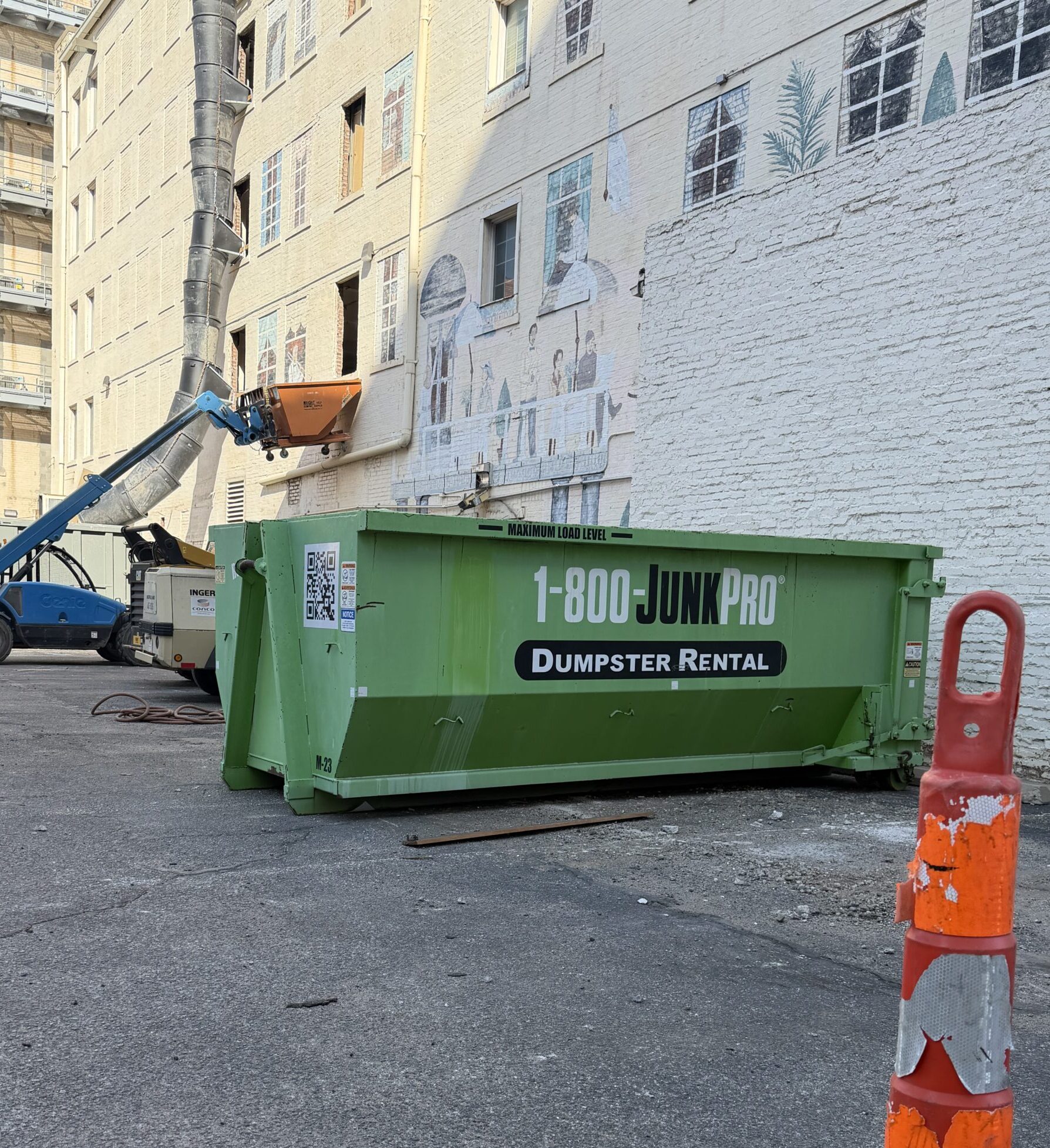
Dumpster swap-outs keep construction projects on schedule by removing full dumpsters and replacing them with empty ones without delay. This prevents debris from building up and allows crews to continue working without interruption.
In simple terms, swap-outs ensure there is always space available for debris, so work never has to stop.
Who This Applies To
This information is especially helpful for:
- Contractors managing active job sites
- Project managers coordinating multiple phases of work
- Property owners overseeing renovations or construction
Why This Matters
Construction projects generate debris throughout the day. As materials are removed, waste begins to accumulate faster than expected.
In many cases:
- Dumpsters fill up mid-project
- Debris starts taking up workspace
- Crews slow down due to limited space
As a result, poor debris management can directly affect productivity and project timelines.
Step-by-Step: How Dumpster Swap-Outs Work
- Monitor the Dumpster Fill Level: As debris builds up, it is important to keep track of how quickly the dumpster is filling.
- Schedule the Swap-Out in Advance: Scheduling ahead helps avoid downtime and ensures a replacement is ready when needed.
- Remove the Full Dumpster: The full container is picked up and transported for proper disposal.
- Deliver a Replacement Dumpster: An empty dumpster is placed on-site, often during the same visit.
- Continue Work Without Delays: Crews can continue loading debris and maintain steady progress.
The Key Factors to Consider
- Project size – Larger jobs generate more debris and require more frequent swap-outs
- Material type – Heavy debris like roofing or concrete can fill capacity faster
- Timeline – Tight schedules require more proactive planning
In many cases, projects that plan swap-outs early avoid the most common delays.
Common Mistakes to Avoid
- Waiting until the dumpster is completely full
- Underestimating how quickly debris builds up
- Not scheduling replacement in advance
A common situation is when a dumpster fills unexpectedly, leaving crews with nowhere to place debris.
For example:
A construction crew reaches the middle of a project, and the dumpster fills earlier than expected. Without a swap-out scheduled, debris starts piling up around the site.
At this point, many customers realize that cleanup can quickly become a bottleneck if not planned properly.
When It Makes Sense to Use Dumpster Swap-Outs
It often makes sense when:
- The project generates continuous debris
- The timeline is tight
- Multiple phases of work are scheduled
- Jobsite efficiency is a priority
In these cases, swap-outs help maintain a clean and organized workspace.
At this point, many customers choose to schedule regular swap-outs to avoid delays and keep projects moving forward.
What to Expect From a Professional Service
- Review the project and estimate debris needs
- Recommend appropriate dumpster size and schedule
- Deliver and place the dumpster
- Coordinate timely swap-outs as needed
- Ensure proper disposal and completion
This structured approach helps ensure consistent progress and minimal downtime.
Cost vs Value
While it may seem easier to use a single dumpster, projects often require more flexibility.
Without swap-outs, crews may face:
- Work delays
- Lost productivity
- Additional labor handling debris
When these factors are considered, scheduled swap-outs often provide better overall value by keeping the project on track.
In Simple Terms
Most construction projects fall into two categories:
- Smaller projects → One dumpster may be enough
- Larger or ongoing projects → Swap-outs keep everything moving
Understanding this helps you plan more effectively.
Conclusion
Dumpster swap-outs are a simple but powerful way to keep construction projects on schedule. By quickly replacing full dumpsters, they prevent delays, maintain workspace, and support consistent progress.
1-800-JUNKPRO® provides dumpster rental services designed to support ongoing projects, including reliable swap-outs that help keep work moving efficiently.
Frequently Asked Questions
1. How quickly can a dumpster swap-out be completed?
Swap-outs can often be scheduled quickly, especially when planned in advance, to minimize downtime.
2. Should I wait until the dumpster is full?
No. Scheduling a swap-out before it reaches capacity helps prevent delays and keeps work moving.
3. Are swap-outs necessary for every project?
Not always. However, for projects with continuous debris, they are highly beneficial.