
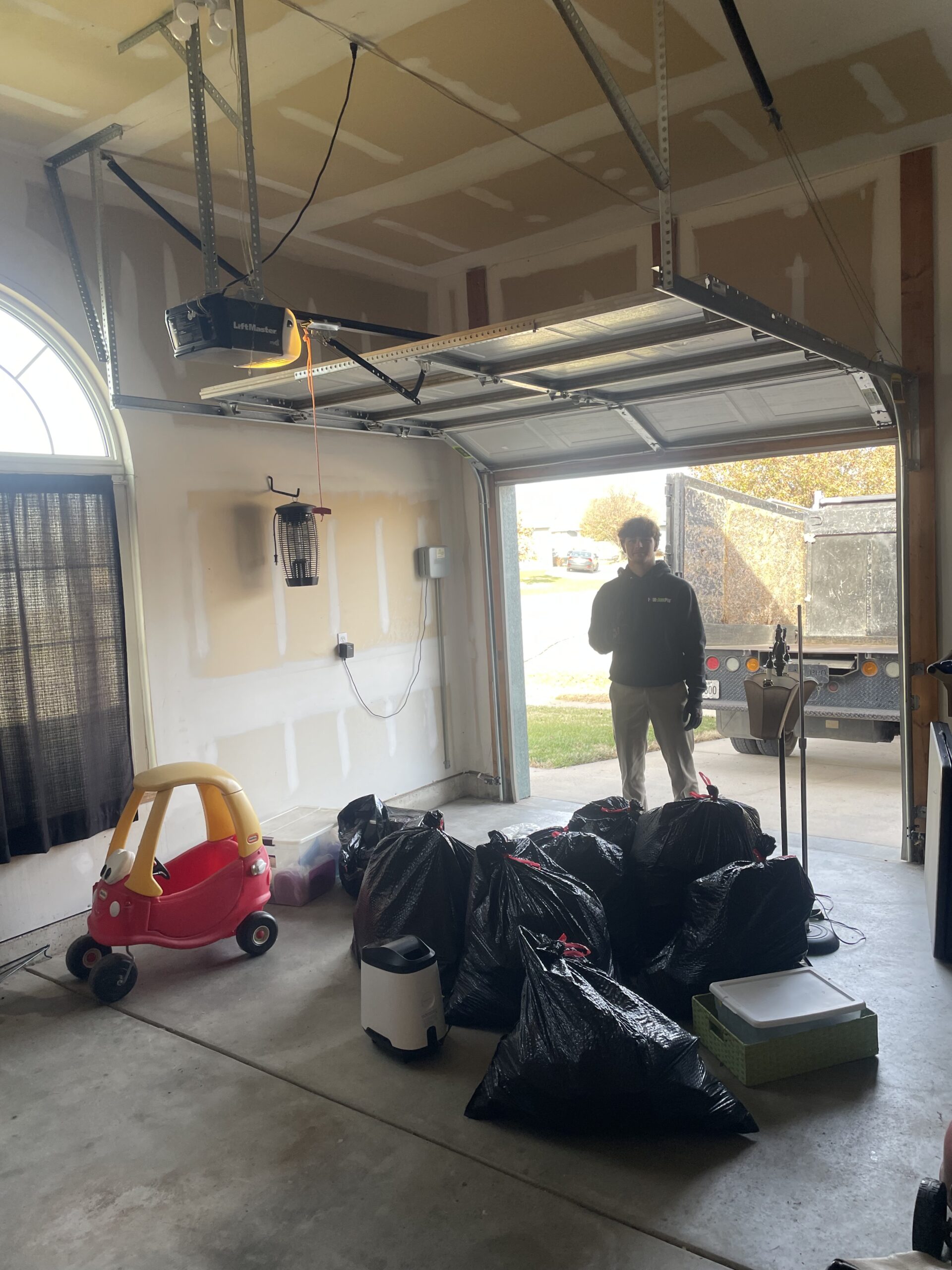
Items that cannot be donated or recycled should be disposed of properly. This may include landfill disposal, special handling, or regulated processing depending on the material.
In simple terms, some items cannot be reused or recycled, so they must be disposed of safely and correctly.
Who This Applies To
This information is especially helpful for:
- Homeowners doing cleanouts or decluttering
- Property managers handling tenant turnover
- Anyone dealing with damaged or unusable items
Why This Matters
Many people assume that everything can be donated or recycled. However, that is not always the case.
In many cases:
- Items are too damaged to donate
- Materials are not recyclable
- Disposal rules vary depending on the item
Because of this, knowing how to handle these items helps avoid confusion and delays.
Step-by-Step: How to Handle Unusable Items
- Identify the Condition of the Item
Start by determining whether the item is reusable, recyclable, or no longer usable. - Separate Items That Cannot Be Donated
Items that are broken, heavily worn, or unsafe should be set aside for disposal. - Check for Special Handling Requirements
Some items require specific disposal methods, especially if they contain certain materials. - Prepare Items for Removal
Group these items together to handle them efficiently. - Arrange for Proper Disposal
Ensure items are taken to appropriate facilities that can handle them safely.
The Key Factors to Consider
The main factors include:
- Condition- Determines usability
- Material type- Affects disposal method
- Local regulations- Impacts how items must be handled
In many cases, these factors determine whether an item can be reused or must be disposed of.
Common Mistakes to Avoid
- Assuming all items can be donated
- Mixing unusable items with recyclables
- Ignoring disposal requirements
A common situation is trying to donate items that are no longer in acceptable condition.
Real-World Scenario
For example:
A homeowner separates items for donation, but later finds that some are too damaged to be accepted.
At this point, many customers realize that proper disposal is still necessary for certain items.
When It Makes Sense to Use Junk Removal
It often makes sense when:
- You have items that cannot be donated
- Disposal requirements are unclear
- The volume is too large to handle alone
- You want everything handled in one step
At this point, many customers choose professional junk removal to simplify the process.
What to Expect From a Professional Service
- Review items and determine proper handling
- Separate materials based on disposal requirements
- Load and remove items efficiently
- Transport materials to appropriate facilities
- Complete the process responsibly
Cost vs Value
Handling disposal on your own may require:
- Researching disposal rules
- Traveling to multiple locations
- Managing different materials
However, professional services simplify this process and save time.
In Simple Terms
Reusable items = Donate
Recyclable materials = Process
Unusable items = Dispose properly
Understanding this helps you make better decisions.
Conclusion
Not all items can be donated or recycled, and knowing how to handle them is an important part of any cleanout. By understanding proper disposal methods, you can avoid delays and ensure everything is handled correctly.
1-800-JUNKPRO offers junk removal for all types of items, including those that require proper disposal, so you can simplify the process.
Frequently Asked Questions
- Why can’t some items be donated?
Items that are damaged, worn, or unsafe are typically not accepted. - Are all materials recyclable?
No, recycling depends on the material and local facilities. - What happens to items that can’t be reused?
They are taken to appropriate disposal facilities for proper handling.