
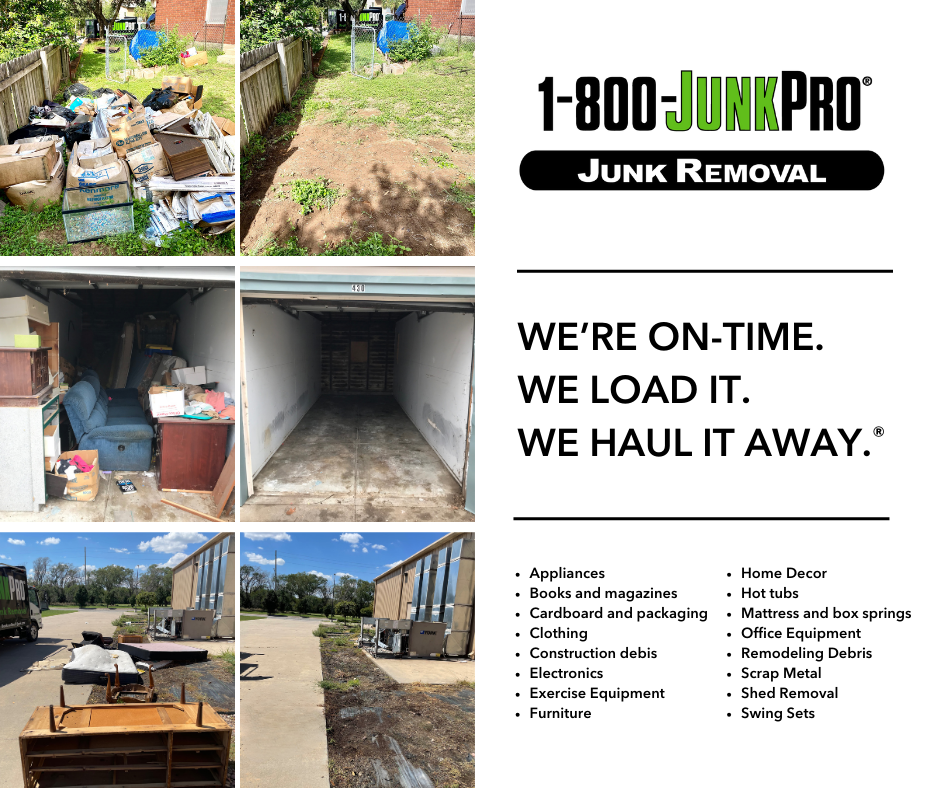
The cost of junk removal is primarily based on how much space your items take up, the type of materials being removed, and the labor required to safely load and haul everything away. Additional factors such as disposal fees, accessibility, and special handling can also influence the final price.
Understanding How Junk Removal Pricing Works
Junk removal pricing is not random. Instead, it follows a structured system designed to reflect the time, labor, and resources required for each job. Most professional services base pricing on volume, meaning how much space your items occupy in the truck.
However, volume is only one part of the equation. The type of materials, the effort required to remove them, and what happens after they are hauled away all contribute to the total cost.
The Key Factors That Affect Junk Removal Cost
1. Volume of Items
The amount of space your items take up in the truck is usually the biggest factor. A single piece of furniture will cost significantly less than a full garage cleanout because it requires less space and time.
Larger jobs often involve multiple truckloads, which increases the overall cost. As a result, accurately estimating volume helps set clear expectations before the job begins.
2. Type of Materials
Not all items are handled the same way. Some materials require special disposal methods, which can increase costs.
For example:
-
- Appliances may require proper recycling
- Mattresses often have specific disposal fees
- Construction debris can be heavier and more complex to process
Because of this, the type of junk you have plays a direct role in pricing.
3. Labor, Accessibility, and Job Complexity
Labor plays a major role in junk removal pricing, especially when a project requires more time, sorting, or specialized handling.
For example, small loose items such as newspapers, trash, or scattered debris often take longer to gather and load than larger, consolidated items. Even though they may not take up much space, they require more hands-on work, which can increase labor time.
In addition, heavy or complex items such as pianos, organs, swing sets, or large bulky pieces may require disassembly, multiple team members, or careful maneuvering through tight spaces. These situations add to the overall effort and can impact the final cost.
Accessibility also matters. Items located upstairs, in basements, or in hard-to-reach areas typically require more time and coordination than those that are easily accessible.
Because of these factors, labor is not just about lifting—it encompasses the total time, effort, and complexity required to complete the job safely and efficiently.
4. Weight of Materials
Weight matters, especially for dense materials like concrete, roofing shingles, or dirt. Heavier loads may impact disposal costs and transportation requirements.
Even if two jobs take up the same amount of space, the heavier load may cost more due to added handling and disposal considerations.
5. Disposal and Recycling Requirements
After items are removed, they must be sorted and taken to the appropriate facilities. Many items are recycled, donated, or processed instead of going directly to a landfill.
This process takes time and coordination. As a result, disposal fees and environmental handling requirements can influence overall pricing.
Step-by-Step: What Happens During a Junk Removal Job
Understanding the process helps explain where the cost comes from:
- Review the items that need to be removed
- Provide a clear, upfront estimate based on volume and materials
- Safely lift, load, and remove items from the property
- Transport everything to the appropriate disposal or recycling facilities
- Sort items for donation, recycling, or final disposal
Each step involves time, labor, and proper handling, all of which factor into the final cost.
When It Makes Sense to Hire a Professional
Some projects may seem manageable at first. However, as the scope increases, so do the challenges.
Hiring a professional often makes sense when:
- Items are too heavy or bulky to move safely
- The volume of junk is larger than expected
- Time is limited, and the project needs to be completed quickly
- Proper disposal or recycling is required
In these situations, professional junk removal can save time, reduce stress, and ensure everything is handled correctly.
Is Junk Removal Worth the Cost?
While doing it yourself may appear less expensive, it often involves hidden costs such as:
- Truck rental
- Fuel
- Disposal fees
- Time and physical effort
When these factors are considered, many homeowners find that professional junk removal provides better overall value, especially for larger or more complex projects.
Conclusion
Junk removal costs are influenced by several key factors, including volume, material type, labor, weight, and disposal requirements. Understanding these elements helps you plan ahead and make informed decisions about your project.
1-800-JUNKPRO® provides professional full-service junk removal designed to handle everything from small pickups to full property cleanouts, with a focus on efficient service and responsible disposal.
Frequently Asked Questions
1. Do you provide upfront pricing for junk removal?
Yes, pricing is typically provided upfront based on the volume of items and the scope of the job, so you know what to expect before work begins.
2. What items can be removed during a junk removal service?
Most services can remove furniture, appliances, yard debris, construction materials, and general household clutter.
3. What happens to the items after they are removed?
Items are sorted and directed to the appropriate locations, including recycling facilities, donation centers, or disposal sites, depending on the material.