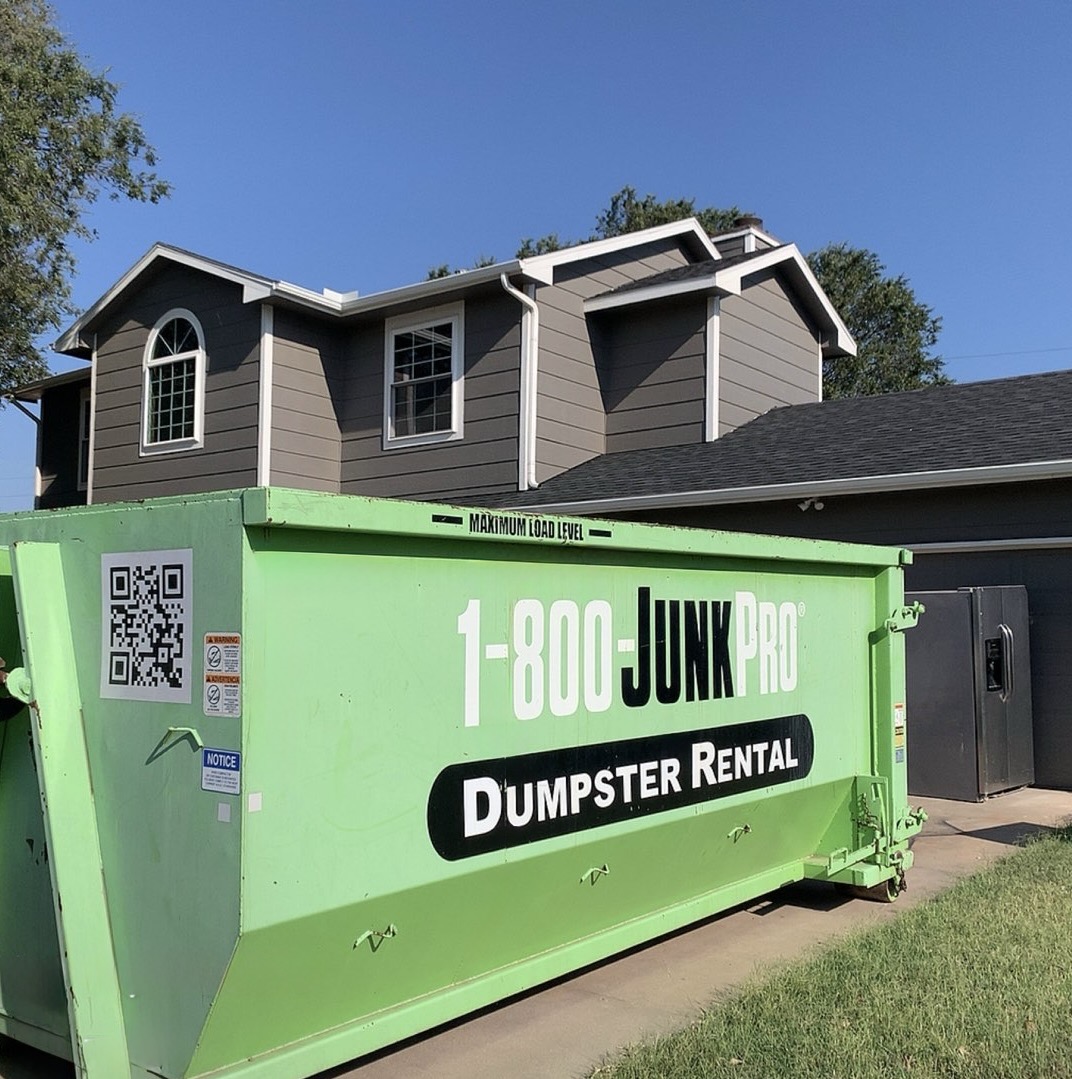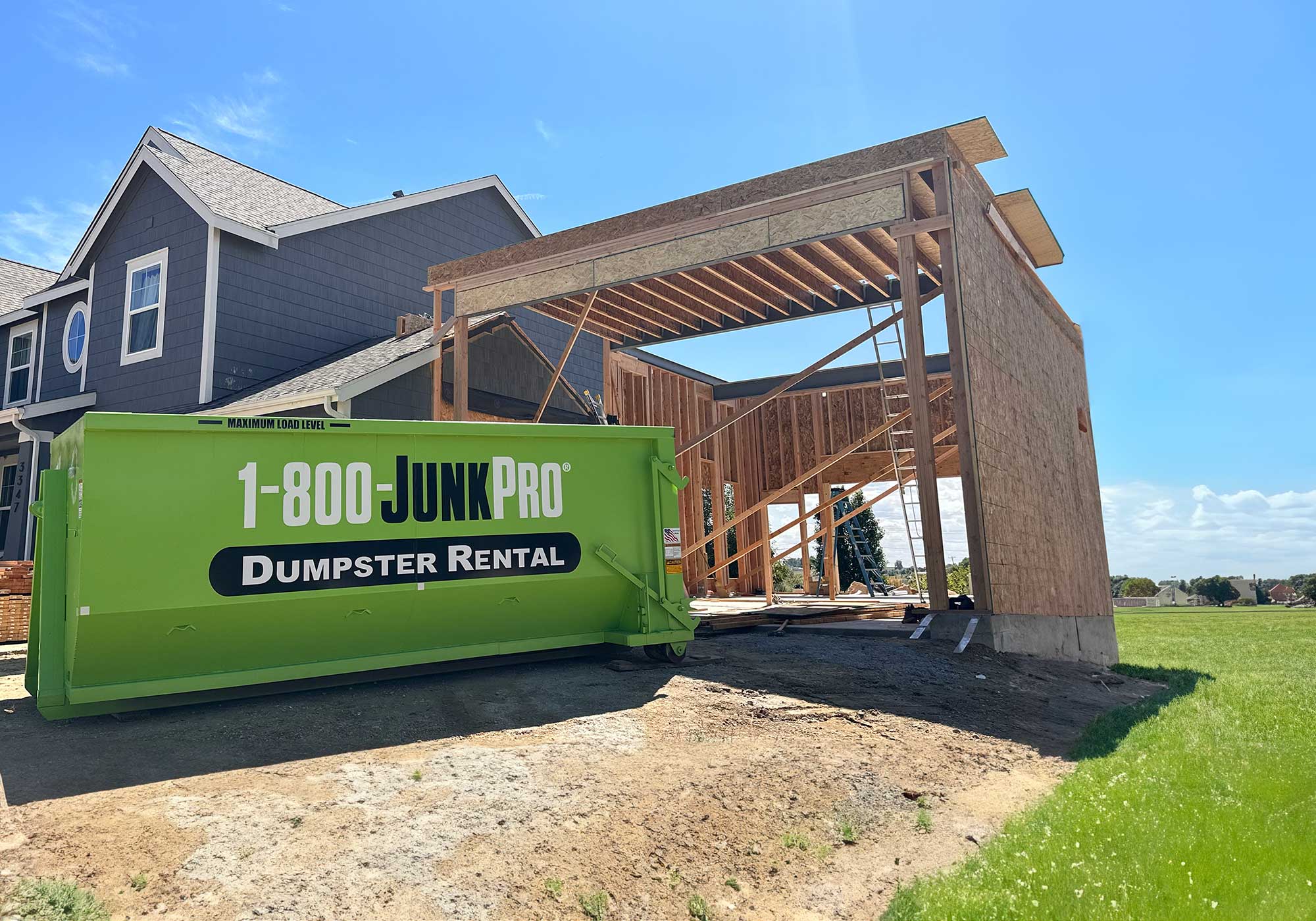
Construction debris removal requires planning, proper disposal methods, and the right equipment. A dumpster rental allows contractors to manage debris efficiently while keeping projects on schedule.
In simple terms, having the right plan and container in place keeps debris from slowing down the job.
Who This Applies To
This information is especially helpful for:
- Contractors managing active job sites
- Project managers coordinating timelines
- Property owners overseeing renovations
Why This Matters
Construction and renovation projects generate large amounts of debris quickly. Without a plan, materials begin to pile up, hindering progress.
In many cases:
- Debris takes up valuable workspace
- Crews lose time moving materials
- Safety risks increase on-site
Because of this, proper debris management helps maintain workflow, improve safety, and prevent delays.
Common Types of Construction Debris
Contractors typically deal with a mix of materials, including:
- Wood and framing materials
- Drywall and insulation
- Roofing materials
- Flooring and tile
- General demolition debris
Each material may require different handling depending on weight, volume, and disposal requirements.
Step-by-Step: Managing Construction Debris
1. Plan for Debris Before the Project Starts
Before work begins, estimate the type and volume of debris that will be generated.
Planning ahead helps determine the right dumpster size and placement.
2. Choose the Right Dumpster Size
Selecting the correct dumpster size is critical. A dumpster that is too small may require additional hauls, while one that is too large may not be cost-efficient.
Matching the dumpster to the project helps keep everything running smoothly.
3. Place the Dumpster Strategically
Position the dumpster in a location that is easy to access but does not interfere with workflow.
Proper placement reduces time spent carrying materials and improves efficiency.
4. Load Debris Efficiently
Load materials evenly and avoid overfilling. Keeping the dumpster organized helps maximize space and prevents issues during pickup.
5. Schedule Pickup at the Right Time
Coordinating pickup ensures debris is removed when needed without disrupting the project timeline.
Timely removal helps keep the job site clean and organized.
The Key Factors to Consider
The main factors include:
- Project size – Larger jobs create more debris
- Material type – Heavy materials impact capacity
- Timeline – Faster jobs require quicker removal
In many cases, planning ahead prevents the most common delays.\
Common Mistakes to Avoid
- Waiting too long to manage debris
- Choosing the wrong dumpster size
- Overfilling the container
- Placing the dumpster too far from the work area
A common situation is when debris builds up faster than expected, slowing productivity.
Real-World Scenario
For example:
A contractor starts a renovation without a clear debris plan. As materials pile up, the crew spends extra time clearing space instead of continuing work.
At that point, productivity drops and the timeline begins to slip.
When Dumpster Rental Makes the Most Sense
A dumpster rental is ideal when:
- The project spans multiple days
- Large amounts of debris are generated
- Continuous cleanup is needed
- Efficiency and time management are priorities
Therefore, many contractors rely on dumpster rentals to keep projects moving efficiently.
What to Expect From a Professional Service
- Review the project and recommend the right size
- Deliver and place the dumpster
- Allow ongoing loading throughout the project
- Coordinate timely pickup or swap-outs
- Ensure proper disposal
This structured approach helps keep the job site clean and organized.
Cost vs Value
Handling debris without a plan often leads to:
- Lost time
- Increased labor
- Project delays
However, using a dumpster rental simplifies the process and keeps everything moving forward.
In Simple Terms
- Small jobs → Minimal debris, simple solution
- Larger projects → Ongoing debris, structured removal needed
Understanding this helps contractors plan more effectively.
Conclusion
Managing construction debris effectively is essential for keeping projects on schedule and maintaining a safe job site. With proper planning and the right dumpster rental, contractors can streamline cleanup and improve overall efficiency.
1-800-JUNKPRO® provides dumpster rental services for construction projects, offering reliable delivery, pickup, and disposal.
Frequently Asked Questions
1. What materials can go into a construction dumpster?
Most construction materials, such as wood, drywall, and general debris, are accepted, though certain restrictions may apply.
2. How do I know what size dumpster to choose?
The size depends on the project’s scope and the amount of debris expected. Planning ahead helps determine the right option.
3. Can I keep the dumpster for the entire project?
Yes, rental periods can be adjusted based on project needs, with extensions available if necessary.