Dumpster rental involves more than just selecting the right size. Placement is crucial for how smoothly a jobsite runs.
When dumpsters are placed without a plan, crews waste time walking materials across the site, avoiding obstacles, or working around debris. Poor placement can slow progress and pose safety hazards.
Smart placement enhances workflow, cuts down labor time, and keeps projects on track.
The #1 Pain Point: Wasted Time on the Jobsite
Contractors often experience avoidable delays because of poor debris management. When dumpsters are placed too far from the work zone, crews waste more time moving materials than actually working.
Common issues include:
- Long carry distances for heavy materials
- Blocked access points
- Interference with equipment or deliveries
- Congested work areas
These minor inefficiencies accumulate rapidly throughout a project.
Best Practice: Place Dumpsters Based on Workflow
Industry best practice is to position dumpsters based on how the job progresses, not just where space is available.
Effective placement includes:
- Positioning near primary work zones
- Allowing clear access for loading
- Keeping entry points and pathways open
- Adjusting placement as project phases change
This reduces unnecessary movement and improves productivity.
Supporting Safety and Organization
Proper placement also enhances safety on the jobsite. Containing debris and keeping it out of walkways reduces trip hazards and helps maintain clear work areas.
A well-placed dumpster:
- Keeps materials controlled
- Prevents debris from spreading
- Supports safer working conditions
- Helps maintain inspection readiness
An organization’s structure directly impacts both safety and efficiency.
Planning Placement Before Delivery
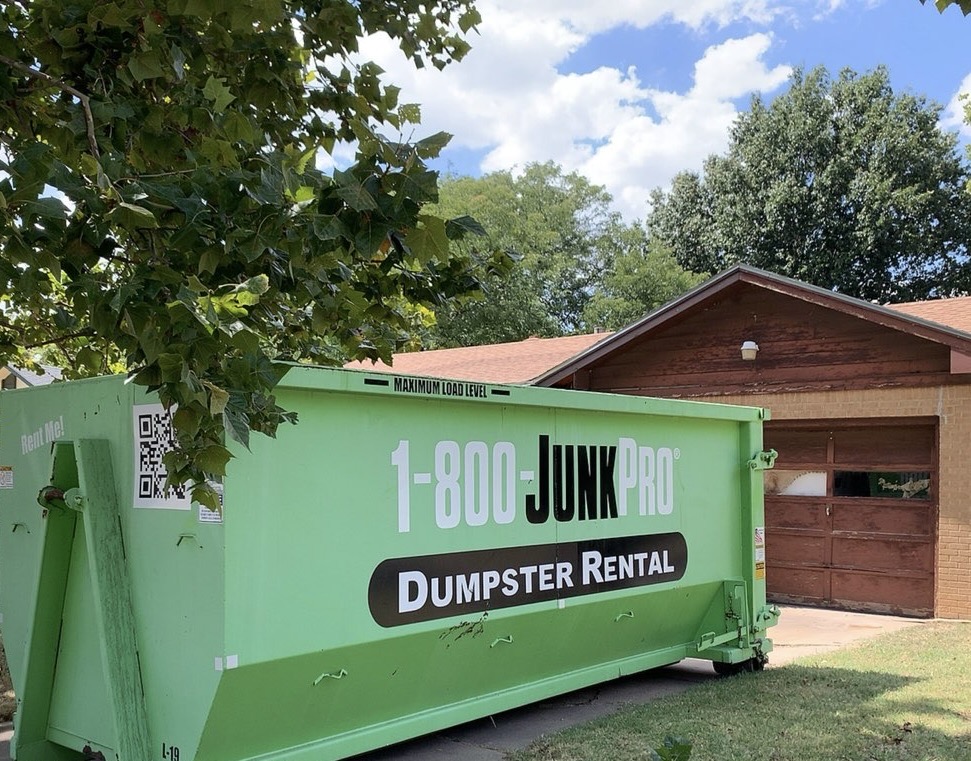
The most efficient job sites plan placement before the dumpster arrives. Considering access, surface conditions, and workflow ensures the container is positioned correctly from the start.
This prevents:
- Repositioning delays
- Interference with crews or equipment
- Disruption to project timelines
A small amount of planning can significantly improve job-site performance.
FAQs About Dumpster Placement
Where should a dumpster be placed on a jobsite?
It should be placed close to the primary work area while maintaining clear access for loading and safe movement around the site.
Can dumpsters be repositioned after delivery?
Repositioning may be possible, but planning placement in advance avoids delays and additional service needs.
Does placement impact productivity?
Yes. Proper placement reduces travel time, improves workflow, and helps crews stay focused on the job.
Final Thoughts
Dumpster placement is a critical part of jobsite planning. When containers are positioned strategically, crews work more efficiently, projects stay organized, and timelines remain on track.
A well-placed dumpster supports the job instead of slowing it down.