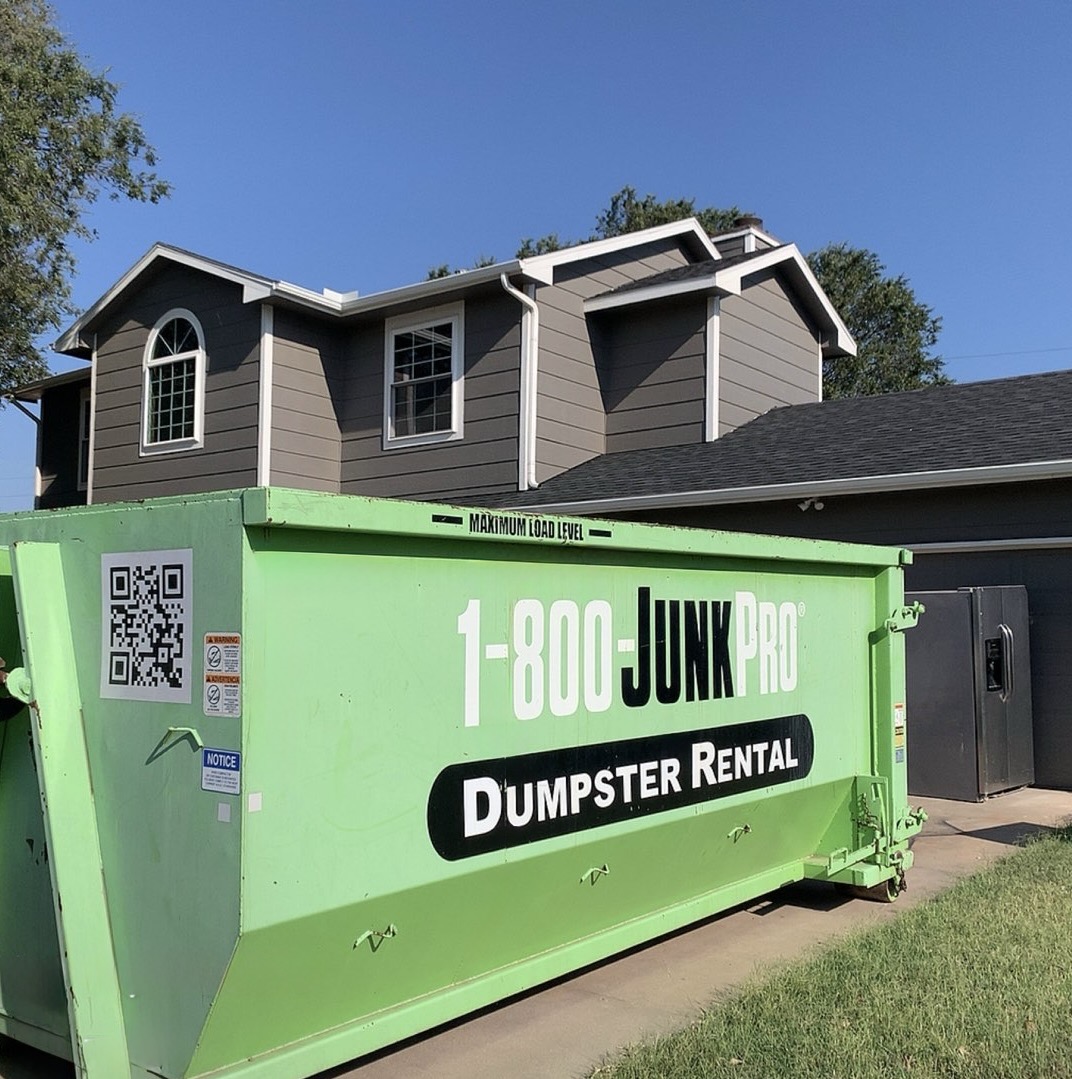
Overfilling a dumpster can create safety concerns, delay pickup, and reduce your project’s efficiency. By loading materials properly and monitoring capacity throughout the project, you can avoid common issues and keep everything running smoothly.
In simple terms, keeping debris below the top edge of the dumpster helps ensure safe transportation and timely removal.
Who This Applies To
This information is especially helpful for:
- Homeowners completing cleanouts or renovations
- Contractors managing construction projects
- Property managers coordinating large cleanup efforts
- Businesses generating ongoing debris
Why This Matters
As projects progress, debris often accumulates faster than expected. Without a loading strategy, dumpsters can reach capacity before the work is complete.
In many cases:
- Large items consume more space than anticipated
- Debris is loaded unevenly
- Materials extend above the top of the container
Because of this, understanding how to load a dumpster correctly helps prevent delays and maximize available space.
Step-by-Step: How to Avoid Overfilling a Dumpster
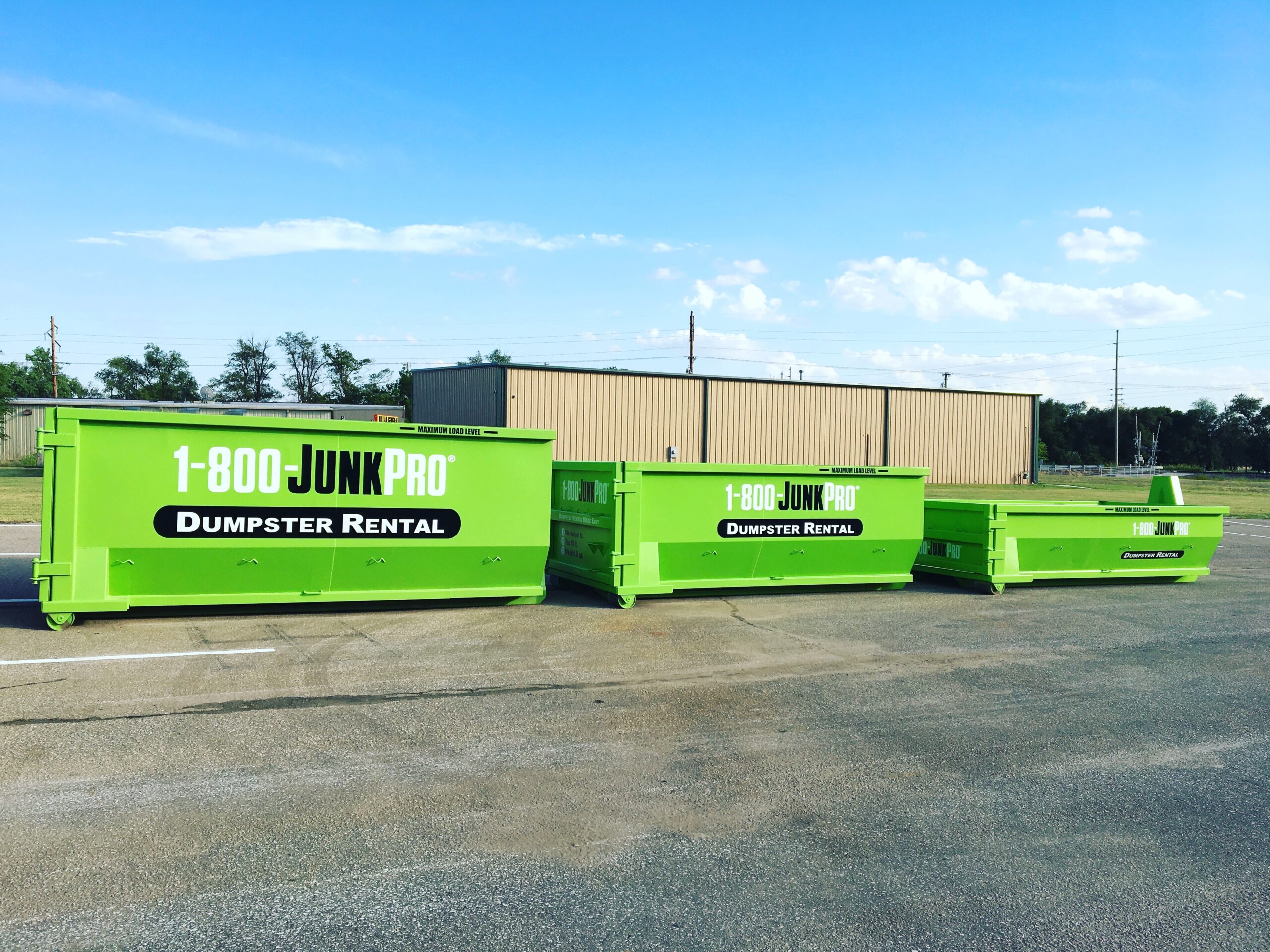
- Choose the Right Dumpster Size
Start by estimating how much debris the project will generate. Selecting the correct dumpster size reduces the likelihood of running out of space.
- Load Large Items First
Place bulky materials at the bottom of the dumpster whenever possible. This creates a stable foundation and allows smaller items to fill gaps later.
- Distribute Materials Evenly
Spread debris throughout the container instead of concentrating it in one area. As a result, space is used more efficiently.
- Break Down Bulky Materials
Disassembling furniture, boxes, and other large items often creates additional usable space.
- Monitor Capacity Throughout the Project
Do not wait until the dumpster is completely full to evaluate remaining space. Instead, monitor the load as debris accumulates.
The Key Factors to Consider
The main factors include:
- Dumpster size
- Type of debris
- Weight of materials
- Project duration
- Loading efficiency
In many cases, how the dumpster is loaded has just as much impact as the dumpster size itself.
Common Mistakes to Avoid
- Piling materials above the top edge
- Loading debris unevenly
- Waiting too long to schedule a swap-out
- Underestimating debris volume
A common situation occurs when a project generates more debris than expected, leaving no room for the final phase of cleanup.
Real-World Scenario
A contractor begins a renovation project and loads demolition debris into a dumpster without breaking down materials. Halfway through the project, valuable space has already been lost due to inefficient loading.
As a result, additional debris must be managed before work can continue efficiently.
At that point, proper loading becomes critical to keeping the project on schedule.
When a Dumpster Swap-Out Makes Sense
A swap-out often makes sense when:
- The dumpster is nearing capacity
- Additional debris is expected
- The project will continue for several days
- Work cannot stop for cleanup delays
Therefore, scheduling a swap-out before the dumpster is completely full can help maintain workflow.
What to Expect From a Professional Dumpster Rental Service
- Review your project requirements
- Recommend an appropriate dumpster size
- Deliver and place the dumpster
- Coordinate pickup or swap-outs when needed
- Ensure proper disposal of debris
This structured approach helps keep projects organized and efficient.
Cost vs Value
Choosing a larger dumpster or scheduling a timely swap-out may seem like an additional expense. However, project delays, extra labor, and inefficient loading often cost more in the long run.
Because of this, proper planning usually provides better overall value.
In Simple Terms
- Proper loading = More usable space
- Overfilled dumpsters = Delays and complications
- Planning ahead = Smoother projects
Understanding these principles helps maximize efficiency and avoid common problems.
Avoiding an overfilled dumpster helps keep projects safe, organized, and on schedule. By choosing the right size, loading materials properly, and monitoring capacity throughout the project, you can make the most of your dumpster rental.
1-800-JUNKPRO® provides dumpster rental services designed to support residential, commercial, and construction projects with reliable delivery, pickup, and disposal solutions.
Frequently Asked Questions
- Why can’t debris extend above the top of the dumpster?
Materials extending above the container can create transportation and safety concerns during pickup.
- What should I do if my dumpster is almost full?
Consider scheduling a swap-out or additional dumpster before the project is delayed.
- Does loading method really make a difference?
Yes. Proper loading can significantly increase usable space and improve project efficiency.