
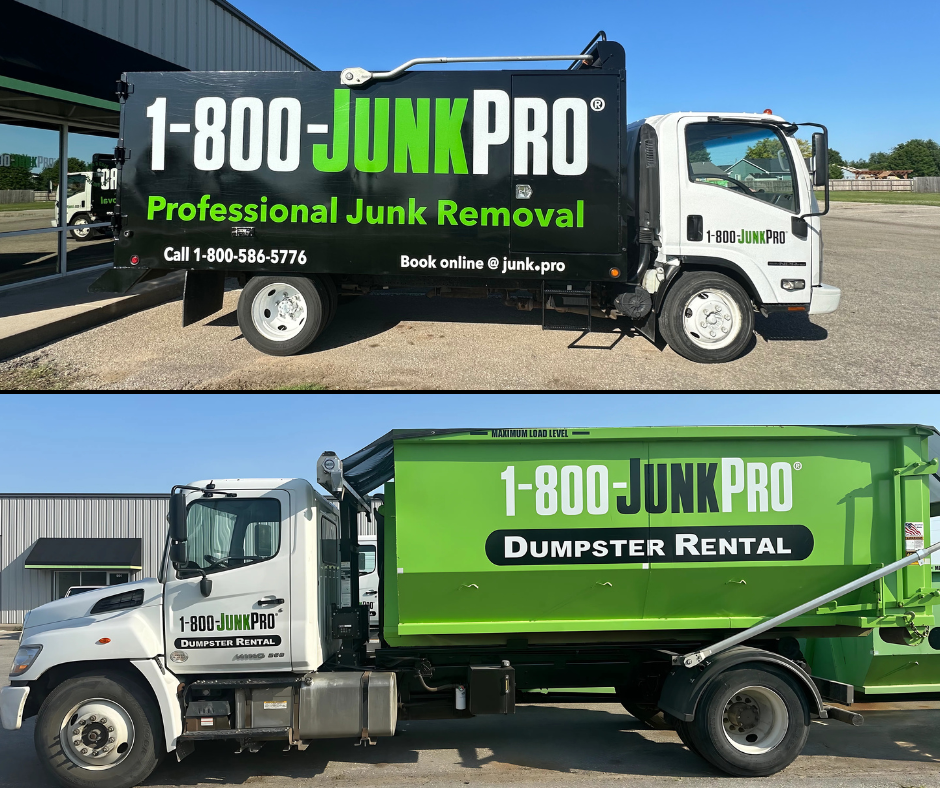
Waste management is considered recession-resistant because people and businesses always need to remove debris, dispose of unwanted items, and keep spaces clean and functional. Demand continues regardless of economic conditions, making it a stable service-based industry.
Why Some Industries Struggle During a Recession
During economic downturns, many industries experience a drop in demand. Discretionary spending often declines, and businesses may delay or reduce non-essential services.
However, essential services tend to remain stable. These are services that people and businesses cannot easily postpone, even when budgets are tighter.
Waste Management Is an Essential Service
Waste management is not optional. Whether it is a homeowner clearing out a space or a contractor managing debris on a job site, removal and disposal are still required.
For example:
- Homes continue to generate unwanted items
- Businesses still produce waste
- Construction and renovation projects continue, even if scaled differently
As a result, the need for junk removal and dumpster rental services remains consistent.
Multiple Revenue Streams Create Stability
One of the key advantages of waste management businesses is their ability to manage waste.
These may include:
- Homeowners
- Property managers
- Contractors
- Real estate professionals
- Commercial clients
This diversification helps reduce reliance on a single customer type. As a result, if one segment slows down, others often remain active. ability to serve multiple customer types.
Demand Shifts, But It Doesn’t Disappear
While economic conditions may influence the type of work, demand does not go away. Instead, it often shifts.
For example:
- Downsizing and cleanouts may increase
- Rental property turnover may rise
- Budget-conscious renovations still generate debris
These changes can actually create new opportunities within the industry.
Recurring and Project-Based Work
Waste management businesses benefit from both:
- One-time projects (cleanouts, renovations)
- Ongoing needs (contractor jobs, property management)
This combination creates a steady flow of work, helping maintain consistency over time.
Low Inventory, Service-Based Model
Unlike retail businesses, waste management does not rely on maintaining large product inventories.
Instead, the focus is on:
- Service delivery
- Logistics
- Efficient operations
This structure reduces overhead risk and allows greater flexibility amid changing economic conditions.
Step-by-Step: How the Business Model Works
- Receive service requests from residential or commercial clients
- Provide estimates based on the scope of the job
- Complete the service (junk removal or dumpster rental)
- Transport materials for proper disposal, recycling, or donation
- Repeat across multiple customer segments
This straightforward model supports consistent operations and scalable growth.
Why Entrepreneurs Are Drawn to This Industry
Many entrepreneurs are attracted to waste management because it offers:
- Consistent demand
- Scalable operations
- Multiple revenue streams
- Service-based stability
Additionally, the ability to serve both residential and commercial markets creates flexibility and growth potential.
Who This Opportunity Is Best Suited For
This opportunity is best suited for individuals who understand the value of hard work, accountability, and building something long-term.
Successful operators are typically those who:
- Take ownership of their results and follow through on commitments
- Are willing to put in the effort required to grow a business
- Want to build and scale their own operation, not just manage a job
- Are comfortable using established systems and processes to stay efficient
- Communicate clearly and professionally with customers
- Understand how to present and sell services with confidence
This is not a passive business. It requires consistency, discipline, and a willingness to stay engaged in daily operations. However, for those committed, it provides a structured path to building a scalable, sustainable business.
When It Makes Sense to Consider a Franchise
Starting a business from scratch can be challenging. A franchise model can provide:
- Established systems and processes
- Brand recognition
- Operational support
- Marketing structure
For those looking to enter a stable industry with guidance, a franchise can help reduce the learning curve.
Waste management continues to perform through changing economic conditions because it fulfills an essential need. From junk removal to dumpster rental, demand remains steady as homeowners and businesses require reliable solutions for cleanup and disposal.
1-800-JUNKPRO® offers franchise opportunities with proven systems, operational guidance, and a business model designed to support consistent, long-term growth.